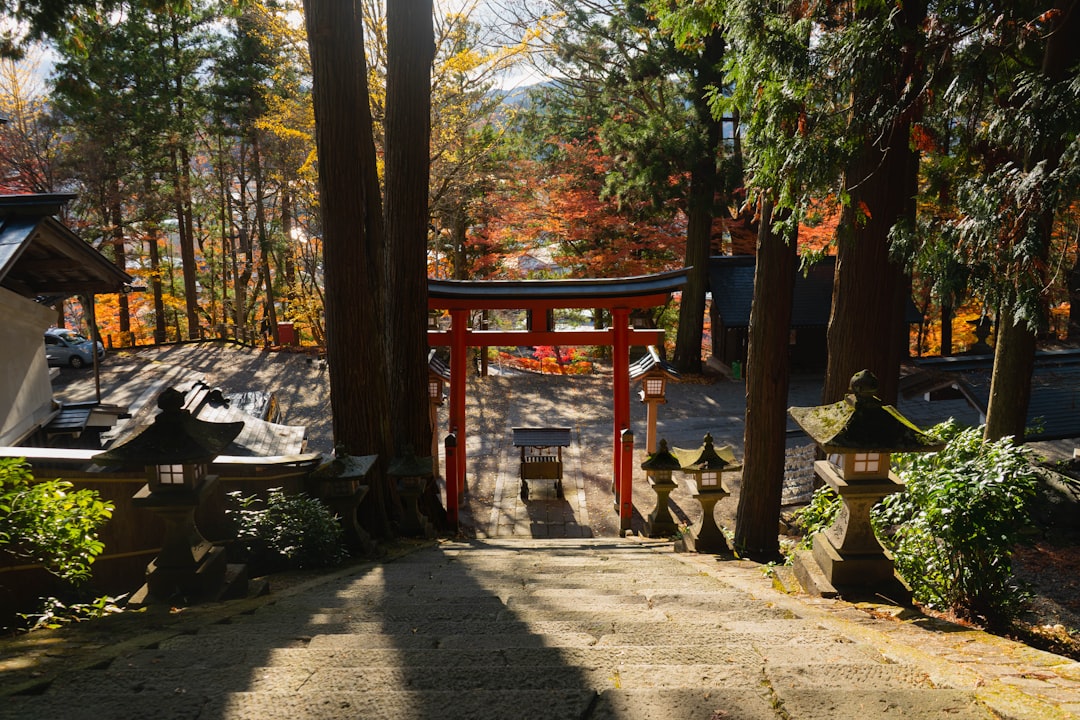
Why Fushimi Inari Taisha Is Kyoto’s Ultimate Anime Pilgrimage Site
If you have ever watched an anime featuring an endless tunnel of vermillion torii gates winding up a forested mountain, chances are you were looking at Fushimi Inari Taisha. This iconic Kyoto shrine, dedicated to the Shinto god of rice, sake, and prosperity, has become one of the most referenced real-world locations in anime and manga. For fans planning a trip to Japan, visiting Fushimi Inari is not just sightseeing, it is a genuine pilgrimage that connects the world of animation with centuries of living tradition.
This guide will walk you through the anime connections, the best route to hike the mountain, photography tips for recreating famous scenes, and practical advice so your visit feels both spiritual and unforgettable.
The Anime Connection: Why This Shrine Inspires Animators
Fushimi Inari’s thousands of torii gates, donated by individuals and businesses over generations, create a visually hypnotic tunnel effect that is irresistible to Japanese animators looking for striking backdrops. Several notable titles have drawn direct or strong stylistic inspiration from this location:
- Inari, Konkon, Koi Iroha - This anime and manga series is explicitly set at Fushimi Inari Taisha, following a young shrine maiden who gains shapeshifting powers from the fox deity Inari. Many backgrounds are direct recreations of the actual shrine grounds.
- Kamisama Kiss (Kamisama Hajimemashita) - While not filmed at Fushimi Inari specifically, this beloved series about a girl who becomes a local land god draws heavily on the aesthetics and folklore of Inari shrines across Japan, including fox spirit messengers known as kitsune.
- Various Naruto-inspired fan art and openings - The instantly recognizable torii tunnels have influenced countless anime backdrops depicting spiritual thresholds between the human and supernatural worlds.
- Slice-of-life and travel anime - Series like Yuru Camp and various Kyoto-set romance anime frequently reference Fushimi Inari as a symbolic stop representing traditional Japan.
Beyond specific series, Fushimi Inari has become visual shorthand in anime for themes of transformation, spiritual journeys, and the boundary between ordinary life and the mystical. The torii gates symbolize passing from the mundane world into sacred space, a narrative device animators use again and again.
Planning Your Pilgrimage: Getting to Fushimi Inari
Fushimi Inari Taisha sits at the base of Inari Mountain in southern Kyoto, and reaching it is refreshingly simple.
- By train: Take the JR Nara Line to Inari Station, just two minutes from Kyoto Station. The shrine entrance is directly across the street.
- By Keihan Railway: Alight at Fushimi Inari Station and walk approximately five minutes.
- Admission: The shrine grounds are free to enter and open 24 hours a day, every day of the year.
Best Time to Visit for an Authentic Anime-Style Experience
Timing your visit dramatically changes the atmosphere and your photo opportunities.
Early Morning (before 8am)
This is the golden window for anime fans. The crowds thin dramatically, sunlight filters through the gates at dramatic angles, and you can capture that iconic solitary-figure-in-a-torii-tunnel shot that mirrors countless anime frames. The quiet also lets you absorb the spiritual weight of the site.
Late Afternoon into Evening
As day-trippers head back toward Kyoto Station, the upper paths empty out. Soft evening light casts long shadows through the gates, creating a moody, cinematic quality reminiscent of contemplative anime scenes.
Avoid Midday Weekends
Fushimi Inari is one of Kyoto’s most visited attractions, and midday crowds can make it difficult to get an unobstructed photo of the famous Senbon Torii tunnel.
The Pilgrimage Route: Walking the Mountain Like an Anime Protagonist
Stage One: The Main Gate and Honden
Begin at the large stone torii gate and Romon Gate before reaching the main hall, or honden, where you can offer a prayer in traditional Shinto fashion: bow twice, clap twice, bow once.
Stage Two: Senbon Torii, The Thousand Gates
Just beyond the main hall, the path splits into two parallel tunnels of densely packed torii gates. This is the single most photographed and most anime-referenced section of the entire mountain. Walking through here feels like stepping directly into an animated frame.
Stage Three: Yotsutsuji Intersection
About halfway up the mountain, roughly 30 to 45 minutes of walking, you reach a scenic overlook with panoramic views across Kyoto city. Many casual visitors turn back here, which means the gates thin out and the atmosphere becomes quieter and more mystical beyond this point.
Stage Four: The Summit
For dedicated pilgrims, continuing to the summit takes another one to two hours round trip. Fewer visitors make it this far, and the smaller shrines, fox statues, and stone lanterns along the upper trail feel straight out of a folklore-inspired anime arc.
Photography Tips for Recreating Anime Scenes
- Shoot early morning or late afternoon for soft directional light and fewer people.
- Use a wide-angle lens or your phone’s wide setting to capture the repeating pattern of the gates.
- Position a single person walking through the tunnel to mimic the lone-protagonist framing common in anime.
- Look for the fox statues (kitsune), Inari’s messengers, which often appear stylized in anime and make excellent close-up subjects.
- Be respectful, this is an active place of worship, so avoid blocking paths or disturbing worshippers for the sake of a photo.
Shrine Etiquette Every Anime Fan Should Know
Because Fushimi Inari remains a functioning Shinto shrine and not a theme park, observing proper etiquette matters:
- Stay on marked paths and avoid climbing on torii gates or shrine structures.
- Speak quietly, especially in the upper, quieter sections of the mountain.
- If you see small sub-shrines with offerings, do not touch or remove items.
- Dispose of trash properly, as bins are limited along the trail.
- Wear comfortable walking shoes; the full summit hike involves uneven stone steps.
Nearby Anime and Pop Culture Stops in Kyoto
After your Fushimi Inari pilgrimage, extend your anime-themed Kyoto itinerary with these nearby highlights:
- Fushimi Sake District: A short trip north, this historic sake-brewing neighborhood with canal-side streets has appeared as inspiration in various slice-of-life anime set in traditional Japan.
- Kyoto International Manga Museum: Located centrally in Kyoto, this museum houses an enormous archive of manga and rotating exhibitions relevant to anime fans.
- Arashiyama Bamboo Grove: Another visually striking, frequently anime-referenced natural site, reachable by train from central Kyoto.
- Gion District: Kyoto’s historic geisha quarter offers the kind of traditional streetscapes often recreated in anime backgrounds depicting old Japan.
Final Thoughts: More Than Just a Photo Op
Fushimi Inari Taisha rewards visitors who approach it with curiosity and respect, whether you come purely for the anime connection or discover the folklore along the way. Walking beneath thousands of gates donated across generations, past fox statues believed to carry messages to the gods, offers a rare chance to physically inhabit a setting that has captivated animators and audiences alike. Take your time, start early, climb higher than the crowds dare to go, and you will leave with more than photographs, you will leave with a genuine sense of why this mountain has inspired storytellers for so long.
Photo by Lucas Calloch on Unsplash