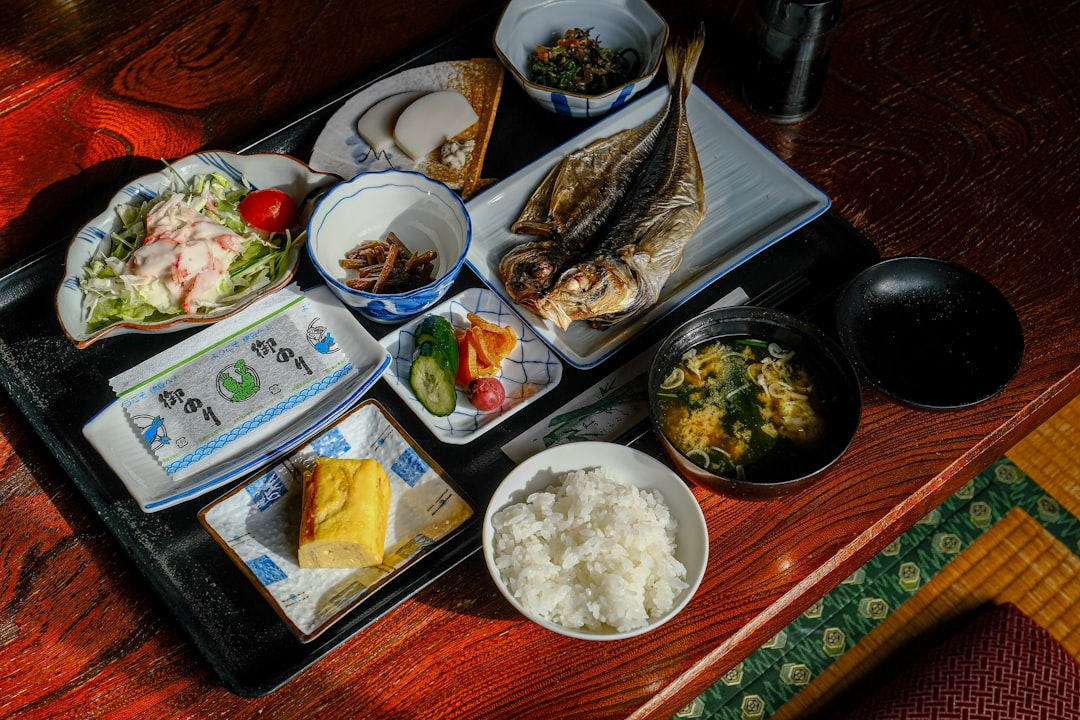
What Is Kaiseki Cuisine?
Kaiseki is Japan’s most refined culinary art form, a multi-course dining experience that transforms a meal into a meditation on seasonality, balance, and beauty. Rooted in the tea ceremony tradition and later influenced by aristocratic banquet cuisine, kaiseki reached its highest expression in Kyoto, the imperial capital where centuries of courtly aesthetics, Zen philosophy, and Buddhist vegetarian cooking converged. Unlike a simple tasting menu, kaiseki is a philosophy in edible form: nothing is served out of season, nothing is wasted, and every dish is composed to please the eye as much as the palate.
For travelers wondering why Kyoto is considered the spiritual home of kaiseki, the answer lies in the city’s unique blend of history, craftsmanship, and access to premium local ingredients. Kyoto chefs have spent generations perfecting the art of shun, the concept of eating food at its precise peak moment, and no season showcases this philosophy more dramatically than autumn.
Why Autumn Is the Ultimate Season for Kaiseki
Autumn in Kyoto is often described as a feast for all five senses, and kaiseki dining captures this perfectly. As the maple leaves along the Kamo River and in Arashiyama shift from green to fiery red and gold, kaiseki menus undergo their own transformation. Chefs begin sourcing ingredients that reflect the harvest season: matsutake mushrooms, chestnuts, persimmons, sweet potatoes, pike conger, and saury all make their appearance on autumn kaiseki tables.
The visual presentation of an autumn kaiseki meal often mirrors the changing landscape outside the restaurant window. Plates are chosen in warm earth tones, garnishes may include a single maple leaf or a sprig of chrysanthemum, and lacquerware often features autumnal motifs like rice fields or falling leaves. Dining on kaiseki in Kyoto during autumn is as much about immersing yourself in seasonal artistry as it is about eating.
The Structure of a Traditional Kaiseki Course
While variations exist between restaurants, a classic kaiseki meal typically follows a set progression of courses, each with its own name and purpose.
- Sakizuke – An amuse-bouche course, often a small bite that hints at the flavors to come.
- Hassun – A seasonal course symbolizing the current time of year, often combining a small seafood and vegetable element.
- Mukozuke – Sashimi selection, showcasing the freshest fish of the day.
- Takiawase – Simmered vegetables and protein served together, balanced in flavor and texture.
- Futamono – A soup course, frequently served in a lidded bowl to preserve aroma.
- Yakimono – A grilled dish, commonly fish, that highlights smoky, charred notes.
- Su-zakana – A small palate-cleansing dish, often vinegared.
- Shiizakana – A hot pot or simmered dish, hearty and warming.
- Gohan – Rice, pickles, and miso soup, marking the meal’s transition toward its conclusion.
- Mizumono – A seasonal dessert, often fruit-based, to end the meal on a light, refreshing note.
In autumn, nearly every one of these courses is reimagined with seasonal ingredients. The Hassun course might feature grilled ginkgo nuts and a slice of sweet chestnut, while the Mizumono dessert could showcase perfectly ripe persimmon or a chestnut-based wagashi sweet.
Signature Autumn Ingredients to Look For
Matsutake Mushrooms
Perhaps the most celebrated autumn ingredient in Japanese cuisine, matsutake mushrooms are prized for their intense aroma and meaty texture. They are often served in a clear dashi soup, steamed in a paper pouch, or grilled simply with a touch of citrus. Due to their rarity, dishes featuring matsutake often come at a premium, but experiencing them at least once during a Kyoto autumn kaiseki meal is considered a rite of passage for food lovers.
Chestnuts (Kuri)
Sweet, earthy chestnuts appear throughout the autumn kaiseki course, from savory chestnut rice to delicate chestnut confections. Kyoto’s proximity to chestnut-growing regions like Tanba makes it a hub for exceptional quality kuri dishes.
Persimmons (Kaki)
Both fresh and dried persimmons find their way into autumn kaiseki menus, often as a palate cleanser or dessert. Their natural sweetness pairs beautifully with the umami-rich dishes that dominate the earlier courses.
Pike Conger and Saury
While summer is peak season for hamo (pike conger), early autumn still sees this delicate white fish featured in several restaurants. Sanma, or Pacific saury, is another autumn specialty, typically grilled whole and served with grated daikon and a squeeze of citrus.
Where to Experience Autumn Kaiseki in Kyoto
Kyoto offers dining options across a wide spectrum of formality and price, making kaiseki accessible to nearly every traveler.
- Traditional Ryotei – Historic restaurants, some centuries old, located in machiya townhouses or overlooking private gardens. These establishments often require reservations well in advance and may only accept guests through introductions, though many have modernized their booking systems for international visitors.
- Ryokan Dining – Staying overnight at a traditional ryokan is one of the most convenient ways to enjoy kaiseki, as the meal is typically included and served directly in your room or a private dining area.
- Casual Kaiseki Restaurants – For travelers seeking the kaiseki experience without the highest price tag, lunch kaiseki sets at more accessible restaurants offer a wonderful introduction, often at a fraction of the dinner cost.
Tips for First-Time Kaiseki Diners
- Arrive on time, as the pacing of courses is carefully choreographed by the kitchen.
- Avoid wearing strong perfume or cologne, as it can interfere with the delicate aromas of the dishes.
- Take your time with each course; kaiseki is meant to be savored slowly, not rushed.
- Don’t hesitate to ask your server about unfamiliar ingredients — most are happy to explain the seasonal significance of each dish.
- Consider pairing your meal with sake, as many kaiseki restaurants offer curated sake flights that complement each course.
Final Thoughts
Autumn kaiseki dining in Kyoto is more than a meal; it is an immersive cultural experience that captures the essence of Japanese seasonal awareness, craftsmanship, and hospitality. Whether you choose a centuries-old ryotei with tatami seating and garden views, or a more relaxed lunch kaiseki set near Gion, the experience will leave you with a deeper appreciation for how food, art, and nature intertwine in Japanese culture. For any traveler visiting Kyoto during the autumn months, reserving a kaiseki dinner should be considered an essential part of the itinerary, one that offers a delicious window into the soul of the ancient capital.
Photo by Takafumi Yamashita on Unsplash