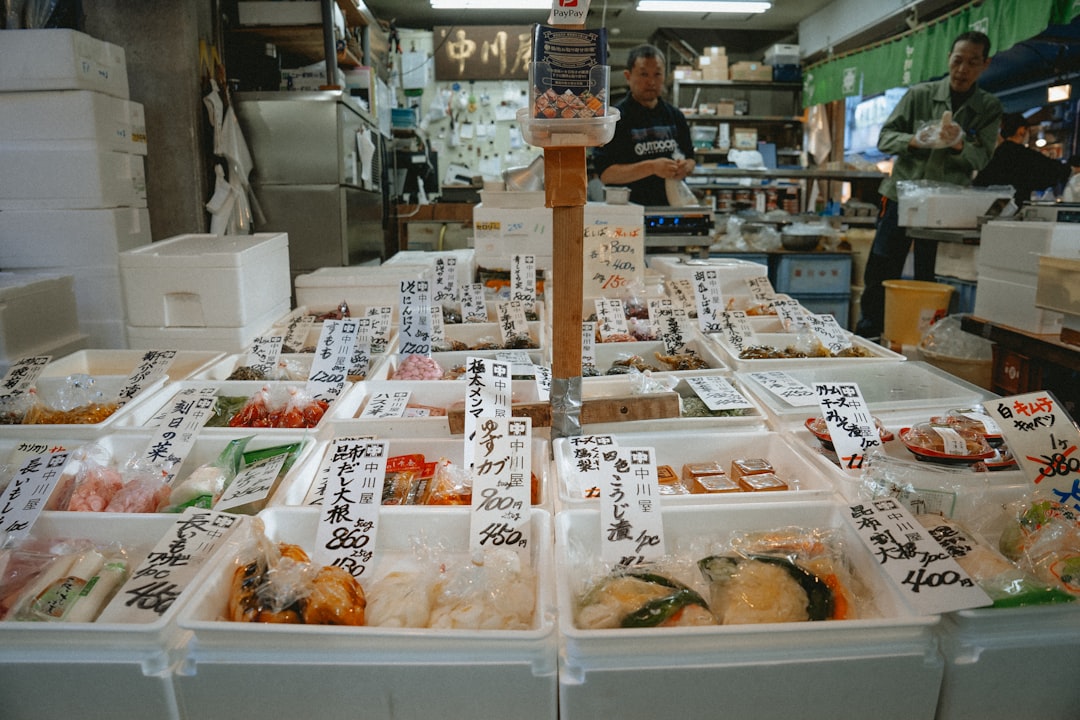

Photo by Alexandre Valdivia on Unsplash
What Is a Depachika?
If you’ve ever wandered into the basement of a Japanese department store and been hit by a wave of tantalizing aromas, dazzling displays, and enthusiastic staff shouting greetings, you’ve discovered one of Tokyo’s best-kept culinary secrets: the depachika. The word combines “depato” (department store) and “chika” (basement), and it refers to the elaborate food halls found in the lower levels of major department stores across Japan. These aren’t ordinary grocery sections. Depachika are temples of gastronomy where artisanal bento boxes, delicate wagashi sweets, imported cheeses, and Michelin-starred restaurant takeout counters exist side by side in dazzling, almost theatrical abundance.
For visitors to Tokyo, a depachika visit offers something rare: an authentic glimpse into everyday Japanese food culture, wrapped in the kind of visual spectacle and quality control that only Japan seems to perfect. Whether you’re hunting for the perfect souvenir, craving a quick but exquisite meal, or simply want to see food presented as art, depachika basement food halls deserve a spot on your Tokyo itinerary.
Why Depachika Are a Must-Visit Tokyo Experience
Unlike typical supermarkets, depachika curate their offerings with an obsessive attention to quality and presentation. Vendors compete for foot traffic in tightly packed aisles, meaning only the best survive. Many stalls are run by famous Kyoto confectioners, renowned ramen shops, or specialty producers who supply nowhere else in the city. The atmosphere is part marketplace, part museum, with glass cases showcasing jewel-toned wagashi, towering fruit sandwiches, and glistening cuts of sashimi.
Beyond the food itself, depachika offer a sensory experience unlike anything else. Staff members wear pristine uniforms and white gloves, product wrapping is treated as an art form, and free samples are frequently offered, making it possible to graze your way through an entire basement level without spending a dime. For travelers on a budget or those simply curious about Japanese flavors, this sampling culture is a fantastic way to explore before committing to a purchase.
Best Depachika Basement Food Halls in Tokyo
Isetan Shinjuku
Widely regarded as the gold standard of Tokyo depachika, Isetan Shinjuku’s basement food hall is enormous and endlessly impressive. It features an incredible sweets section with exclusive collaborations from top pastry chefs, a dedicated cheese room stocked with rare imports, and a prepared foods area where you can find everything from Kyoto-style obanzai dishes to French deli items. Come hungry and budget extra time, as this depachika alone could occupy an entire afternoon.
Mitsukoshi Nihombashi
As one of Japan’s oldest and most prestigious department stores, Mitsukoshi’s Nihombashi flagship offers a slightly more traditional and refined depachika experience. Expect exceptional wagashi, beautifully packaged senbei rice crackers, and a strong selection of tea ceremony sweets. This is an excellent stop if you’re interested in edible souvenirs with a sense of heritage and craftsmanship.
Takashimaya Nihombashi and Shinjuku
Takashimaya locations are known for their polished, upscale atmosphere and excellent bento selections. The Nihombashi branch, housed in a beautifully preserved historic building, pairs architectural charm with culinary excellence. Look for seasonal fruit gift sets, which make for stunning presentation pieces as well as delicious treats.
Ginza Six and Matsuya Ginza
Ginza’s depachika lean upscale and international, reflecting the neighborhood’s reputation as a luxury shopping district. Here you’ll find high-end chocolate boutiques, French pastry counters, and premium Japanese beef offerings alongside classic Japanese fare. These are great stops if you’re already exploring Ginza’s boutiques and want a refined food break.
Tobu Ikebukuro
Tobu’s depachika in Ikebukuro is one of the largest in Tokyo and tends to be less crowded with tourists, offering a more local experience. It’s an excellent choice if you want to see how everyday Tokyoites shop for dinner, with a huge variety of prepared meals, produce, and regional specialties from across Japan.
What to Buy and Try at a Depachika
Bento Boxes
Depachika bento boxes range from humble to extravagant, often prepared using techniques and ingredients you’d expect at a proper restaurant. Many stalls specialize in a single theme, such as tempura, unagi eel, or Kyoto-style vegetable dishes, allowing you to mix and match a custom multi-course meal for a fraction of restaurant prices.
Wagashi and Seasonal Sweets
Traditional Japanese sweets are a highlight of any depachika visit. Look for mochi, dorayaki, and delicate seasonal confections shaped like cherry blossoms, maple leaves, or other motifs reflecting the time of year. These make for beautiful, distinctly Japanese souvenirs.
Fruit as Luxury Gifts
Japan’s obsession with perfect, flawless fruit is on full display in depachika. Melons, strawberries, and grapes are treated as luxury items, individually cushioned and gift-wrapped. While prices can be startling to first-time visitors, sampling a slice is often possible, and the quality is genuinely unmatched.
Prepared Deli Items and Fusion Foods
Depachika aren’t limited to Japanese cuisine. Expect French pastries, Italian deli counters, Chinese dim sum stalls, and fusion creations that reflect Tokyo’s cosmopolitan palate. This variety makes depachika a great option for groups with differing tastes.
Practical Tips for Visiting a Depachika
- Visit in the early evening, particularly after 7 PM, when many stalls begin discounting unsold items, sometimes by 20 to 50 percent.
- Bring cash, though most major depachika now accept credit cards and IC transit cards like Suica or Pasmo.
- Don’t be shy about accepting free samples, but avoid taking multiple samples from the same stall without genuine purchase interest.
- Most items are meant to be eaten the same day, as depachika prioritize freshness over long shelf life.
- Eating while walking through the halls is generally discouraged; save your purchases for a hotel room, park bench, or the department store’s designated eating area if available.
- Weekdays tend to be less crowded than weekends, offering a more relaxed browsing experience.
Depachika Etiquette to Keep in Mind
Japanese food culture emphasizes respect and consideration for others, and depachika are no exception. Queue politely at popular stalls, avoid touching food items directly, and use the tongs or gloves provided for self-serve sections. If you’re unsure what something is, it’s perfectly acceptable to ask staff, many of whom have at least basic English skills, especially in tourist-heavy locations like Shinjuku and Ginza.
Final Thoughts
A trip to a Tokyo depachika basement food hall offers far more than a meal. It’s an immersive cultural experience that reveals the Japanese devotion to quality, seasonality, and presentation. Whether you’re assembling a picnic for a day at the park, searching for the perfect gift, or simply want to eat like a local without the formality of a restaurant, these underground food halls deliver an unforgettable taste of Tokyo. Add at least one depachika visit to your itinerary, and be prepared to leave with far more delicious purchases than you originally planned.