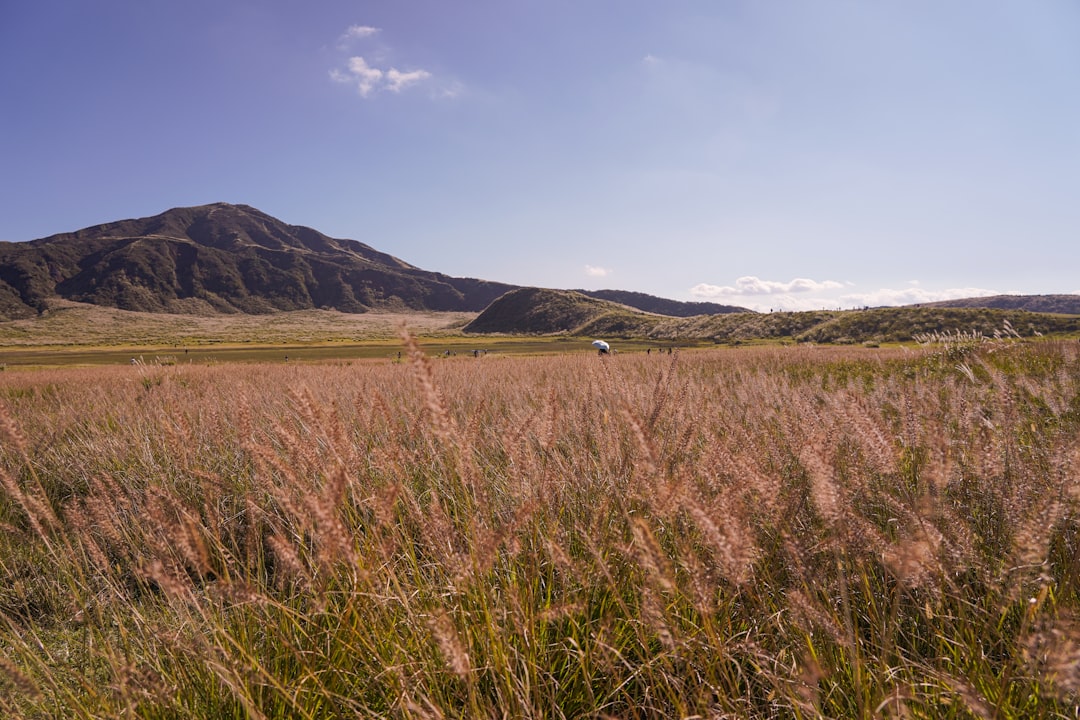

Photo by Zion C on Unsplash
Why Demon Slayer Fans Are Flocking to Japan
Kimetsu no Yaiba, known worldwide as Demon Slayer, has become one of the most beloved anime and manga franchises of all time. Beyond its gripping story of Tanjiro Kamado’s quest to save his sister Nezuko and defeat the demon king Muzan, the series is beloved for its breathtaking, hyper-detailed backgrounds. Many of these settings are not entirely fictional — they are lovingly inspired by real towns, forests, mountains, and shrines scattered across Japan. For fans who want to step directly into the world of the Demon Slayer Corps, a pilgrimage to these real-life locations offers a magical way to experience the anime beyond the screen. This guide walks you through the most iconic Demon Slayer pilgrimage sites in Japan, along with practical tips for planning your own otaku-style adventure.
What Is Anime Pilgrimage (Seichi Junrei)?
In Japan, the practice of visiting real-world locations that inspired anime, manga, or video games is called seichi junrei, literally meaning ‘pilgrimage to a sacred site.’ Fans travel across the country to photograph the exact angles seen in their favorite scenes, visit local shops selling limited-edition merchandise, and sometimes even leave fan art or messages at collaboration spots. Local governments and tourism boards have increasingly embraced this phenomenon, since anime pilgrimages bring dedicated travelers — and tourism revenue — to smaller towns that might otherwise be overlooked. Demon Slayer pilgrimages are especially popular because the series draws so heavily on traditional Japanese landscapes: misty mountains, wooden villages, bamboo groves, and dramatic waterfalls.
Top Demon Slayer Pilgrimage Sites in Japan
1. Asakusa, Tokyo
The bustling streets where Tanjiro first arrives in the city to sell charcoal closely resemble Asakusa, one of Tokyo’s most historic districts. The area around Sensoji Temple, with its towering Kaminarimon gate, lantern-lined shopping streets, and old-fashioned wooden buildings, mirrors the Taisho-era atmosphere depicted in the anime. Wandering through Nakamise-dori while snacking on traditional sweets is the perfect way to imagine Tanjiro navigating the crowded city for the first time.
2. Mount Kurama and Kifune Shrine, Kyoto
Fans often point to the mystical forest paths and vermillion torii gates of Kurama and Kifune, north of Kyoto, as visual inspiration for several training and travel sequences in the series. The steep stone steps, ancient cedar trees, and layered mountain mist create the same otherworldly mood found throughout Demon Slayer. A hike here also connects to Kyoto’s deep spiritual history, making it a rewarding stop even for non-fans.
3. Nabekura Kogen Susuki Field, Nagano
This golden pampas grass field in the Nabekura Highlands has become one of the most photographed Demon Slayer pilgrimage spots. The rolling waves of silver-gold susuki grass strongly resemble the ending scene backgrounds of the anime, especially during the autumn season when the grass turns a warm amber color. Visitors often arrive at sunrise or sunset to capture the same glowing light seen in the show.
4. Shirakawa-go, Gifu
This UNESCO World Heritage village of steep thatched-roof farmhouses is frequently cited as a visual reference for Tanjiro’s remote mountain home. Especially in winter, when snow blankets the wooden houses, the scenery evokes the quiet, isolated life the Kamado family led before tragedy struck. Shirakawa-go is also simply one of the most beautiful traditional villages in Japan, regardless of anime connections.
5. Gujo Hachiman, Gifu
Known as a ‘water town’ for its clear canals and traditional streets, Gujo Hachiman has strong ties to Demon Slayer’s production, as several animators are believed to have drawn on its charming atmosphere. The old townscape, wooden bridges, and flowing waterways feel like they were lifted straight from an anime background frame.
6. Ashikaga Flower Park and Kawachi Fuji Garden
Wisteria, or fuji, plays a symbolic role in Demon Slayer since demons cannot approach the flower’s scent. Japan’s most famous wisteria destinations, Ashikaga Flower Park in Tochigi and Kawachi Fuji Garden in Fukuoka, let fans stand beneath cascading purple and white blossom tunnels that feel almost identical to the protective wisteria imagery in the series. Both gardens are best visited during the spring blooming season.
7. Nunobiki Falls, Kobe
This dramatic waterfall, easily accessible via a scenic hiking trail from central Kobe, is often associated with several waterfall training and battle scenes in the anime. The powerful cascade surrounded by dense forest captures the same intensity and natural drama seen in Demon Slayer’s animation.
8. Engetsu Island, Wakayama
This small, arch-shaped island silhouetted against the sunset is widely believed to have inspired one of the most emotional final scenes of the series. Watching the sun dip behind the island’s natural rock arch at dusk is a bucket-list moment for devoted fans.
9. Aso and the Kumamoto Countryside
The wide volcanic plains, misty grasslands, and remote mountain paths of Aso in Kumamoto Prefecture echo the rural setting of the Kamado family’s home in the story’s opening chapters. The dramatic caldera scenery adds an epic, almost otherworldly quality that fits the tone of the anime.
10. Yasaka Shrine and Gion, Kyoto
The historic streets of Gion, with their wooden machiya houses and stone-paved lanes, along with the vivid orange of Yasaka Shrine, are frequently referenced by fans recreating scenes involving traditional festivals and demon encounters in old Kyoto.
Planning Your Demon Slayer Pilgrimage: Practical Tips
- Rent a car for rural spots like Nabekura Kogen and Aso, since public transportation can be limited outside major cities.
- Check seasonal timing carefully — wisteria blooms in spring, susuki grass peaks in autumn, and Shirakawa-go is most magical under winter snow.
- Combine locations by region rather than trying to cover the whole country in one trip; a Kansai-focused route (Kyoto, Kobe, Wakayama) or a Chubu-focused route (Nagano, Gifu) works well.
- Bring a printed or saved map of the exact anime scene angles, since many fan communities online have documented precise filming or reference locations.
- Respect local residents and businesses, especially in small villages like Shirakawa-go and Gujo Hachiman, where tourism can affect daily life.
Best Time to Visit
Because Demon Slayer’s world spans all four seasons, there is no single ‘best’ time for a pilgrimage — it depends on which scenes you want to recreate. Spring is ideal for wisteria gardens, early autumn is perfect for the golden pampas grass fields, and winter transforms Shirakawa-go into a scene straight out of the anime’s most atmospheric moments. Summer offers lush greenery for waterfall and forest locations like Nunobiki Falls and Kurama.
A Sample Demon Slayer Itinerary
For travelers with about a week, a satisfying route might begin in Tokyo with a stroll through Asakusa, followed by a shinkansen to Kyoto for Kurama, Kifune, and Gion. From Kyoto, a day trip to Kobe covers Nunobiki Falls, before heading toward Wakayama for Engetsu Island. Fans with extra time can extend the journey north to Gifu and Nagano for Shirakawa-go, Gujo Hachiman, and the Nabekura pampas fields, creating a well-rounded loop through both urban anime references and dramatic natural scenery.
Respectful Pilgrimage Etiquette
As anime tourism grows, it’s important for visitors to be mindful guests. Avoid trespassing on private property to get the perfect photo, keep noise levels low in quiet residential villages, and always follow local rules regarding drones, which are restricted in many scenic and historic areas. Supporting local shops, cafes, and guesthouses near these pilgrimage sites helps ensure these communities continue to welcome fans warmly.
Final Thoughts
A Demon Slayer pilgrimage is more than just photo opportunities — it’s a chance to experience the real Japan that inspired one of anime’s most visually stunning worlds. From misty mountain shrines to golden grass fields and snow-covered villages, these locations reveal the deep connection between traditional Japanese landscapes and modern pop culture storytelling. Whether you’re a lifelong fan of the Demon Slayer Corps or simply love scenic travel, tracing these real-world settings offers an unforgettable way to explore Japan.