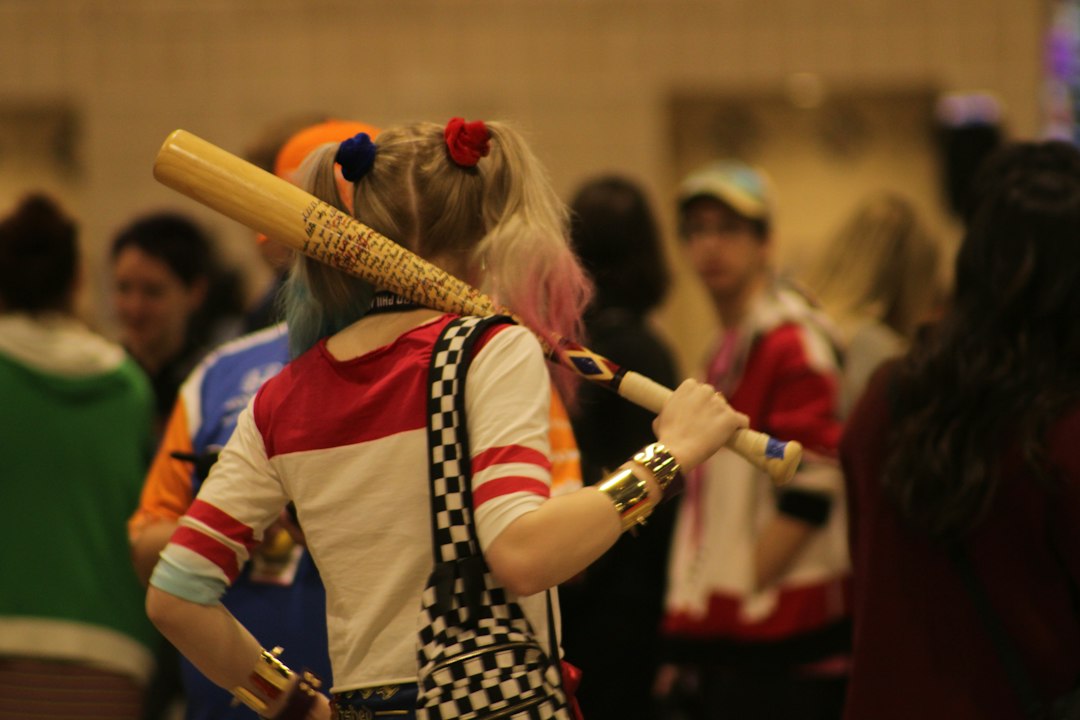
If you’re packing a prop sword or gun for Comiket at Tokyo Big Sight, the number that matters most is this: total weapon length (including any sheath or stock) generally cannot exceed 2.2 meters, and any blade-shaped prop needs a rounded, taped, or otherwise visibly blunted tip — no exceptions, no matter how good your resin katana looks under studio lights. That single rule trips up more first-time cosplayers at Japanese conventions than anything else, so let’s go through exactly what each major event allows and how the check-in process actually works once you’re standing in line at the venue.
The legal backdrop: why these rules exist at all
Japan’s Act on Control of Possession of Firearms and Swords (Juho Toroku Ho, often shortened to the “Swords and Firearms Control Law”) restricts real blades over 15cm and anything that functions as an actual firearm. Prop weapons made of resin, wood, EVA foam, or PVC aren’t covered by this law because they can’t cut or fire anything — but convention organizers add their own stricter layers on top, because Tokyo Big Sight, Makuhari Messe, and Pacifico Yokohama all have their own venue safety codes that predate anime culture entirely and were written with trade shows and exhibitions in mind. This is why a 3D-printed prop that’s perfectly legal to own in Japan can still get rejected at the door of Comiket if it doesn’t meet the specific event’s cosplay guidelines.
Comiket (Comic Market) at Tokyo Big Sight
Comiket, held twice a year at Tokyo Big Sight in Ariake (Yurikamome Line, Kokusai-Tenjijo-Seimon Station, about 5 minutes on foot, or Rinkai Line Kokusai-Tenjijo Station roughly 7 minutes), publishes its cosplay rules as a PDF on the official site roughly two months before each event, and it’s genuinely worth reading the current version rather than relying on last year’s rules, because details shift. As of recent events, the core weapon rules are: no metal blades of any kind, no glass, no real wood with sharp edges, tips must be rounded or capped, and props longer than 1.5 meters need prior notification through the online cosplay registration form. Firearm-shaped props must have the muzzle blocked (a plugged barrel, not just painted) and cannot have functioning triggers that produce a mechanical “click” sound loud enough to startle people in a crowded hall. Cosplay registration itself costs around ¥1,000 per day and requires a photo ID; you get a wristband that cosplay staff check before you’re allowed into the designated changing area in the West Hall atrium rather than changing in public restrooms, which is explicitly forbidden.
Comiket’s locker and carry logistics
Lockers in the Big Sight concourse run about ¥500–700 depending on size, and they fill up fast after 9am, so if you’re bringing a long prop in a padded bag, plan to arrive before the hall opens rather than after. Staff at the cosplay check counter (look for the tent with the red “Cosplay Check” banner near Hall 7) will physically inspect blades longer than 60cm and may put a small inspection sticker on the prop once it passes — keep that sticker visible all day, because re-entry checks happen at random.
AnimeJapan and Makuhari Messe events
AnimeJapan, held at Makuhari Messe (JR Keiyo Line, Kaihin-Makuhari Station, about 5 minutes on foot), runs a tighter ship than Comiket for weapon props because the venue also hosts corporate trade shows year-round and has stricter fire-code sightlines in its halls. Blades over 1 meter typically require submitting a photo for pre-approval through the event’s cosplay portal at least a week before the show — this isn’t optional paperwork, it’s enforced at the door, and staff have turned away props on the spot when no approval record existed. Firearm replicas at Makuhari Messe events generally need the muzzle area painted or capped in a bright, non-metallic color, echoing (though not legally identical to) Japan’s orange-tip conventions for airsoft replicas, even though prop guns for cosplay aren’t airsoft-capable.
Tokyo Comic Con and Jump Festa
Tokyo Comic Con, also at Makuhari Messe, tends to follow similar rules to AnimeJapan but is somewhat more lenient on large foam-based armor and staff-type weapons because its cosplay demographic skews toward Western-style comic and superhero costumes with bulkier props. Jump Festa, usually held in late December at the same venue, has in past years banned prop weapons from certain high-traffic photo areas entirely during peak hours (11am–2pm) simply due to crowd density, even if the prop itself would otherwise pass inspection — a detail that catches people off guard because it’s a time-based restriction rather than a material one.
Materials that consistently pass inspection
- EVA foam blades and staffs with rounded, sanded edges — the single most reliably accepted material across every major convention
- Resin or PVC props with a visibly blunted, capped, or blob-shaped tip rather than a point
- Wooden bokken-style props only if edges are rounded and the convention’s rules don’t specifically exclude wood (Comiket currently does restrict sharp wooden edges)
- 3D-printed PLA or resin props, provided wall thickness isn’t so thin that the piece could flex into something resembling a functional blade edge
What consistently gets rejected
- Any metal blade, including “decorative” stainless steel katana replicas, even dulled ones
- Glass or shattered-look props using real glass rather than acrylic
- Firearm replicas with unplugged barrels or functioning laser sights
- Whips, chains, or flails with hard metal links longer than roughly 30cm
- Props exceeding the 2.2m combined-length rule without prior written approval, which most organizers simply won’t grant on the day
Carrying props on Japanese public transport
Trains are where most cosplayers get nervous for no reason and overlook the one rule that actually matters: props must be covered or bagged while in transit, not carried bare in hand through the station or train car. A padded guitar-style gig bag works well for anything sword-shaped under 1.2 meters; longer props usually need a two-piece breakdown design so the bag fits within standard oversized-luggage dimensions (roughly 250cm combined length, height, and width) that JR and most private lines apply to bulky items. Staff at Kokusai-Tenjijo Station and Kaihin-Makuhari Station see this every event weekend and won’t stop you for carrying a wrapped prop, but an uncovered blade-shaped object will draw attention from both station staff and other passengers almost immediately.
Smaller regional conventions and doujinshi events
Smaller events — regional doujinshi markets in cities like Osaka (Intex Osaka) or Nagoya (Port Messe Nagoya) — often borrow Comiket’s rulebook almost verbatim but enforce it far more casually, sometimes with a single staff member doing visual checks rather than a dedicated inspection line. This cuts both ways: it’s easier to get a borderline prop through, but there’s also less consistency, so what passed at one event isn’t a guarantee for the next.
A practical timing note before you pack
Convention cosplay rule PDFs get updated close to the event date, sometimes within the final two weeks, and changes aren’t always announced loudly outside the organizer’s own cosplay portal page — they rarely show up in English-language recap articles until after the event has already happened. If you’re planning a prop weapon for any Japanese convention, check the organizer’s official site directly within about ten days of the show rather than trusting a blog post (including this one) written months earlier, and if your prop is borderline on length or material, email the cosplay inquiry address listed on the event site for a pre-approval photo review — most major conventions respond within a few business days and it saves you from standing in the inspection line with a prop that gets flagged at the last minute.
Photo by Ashley Levinson on Unsplash