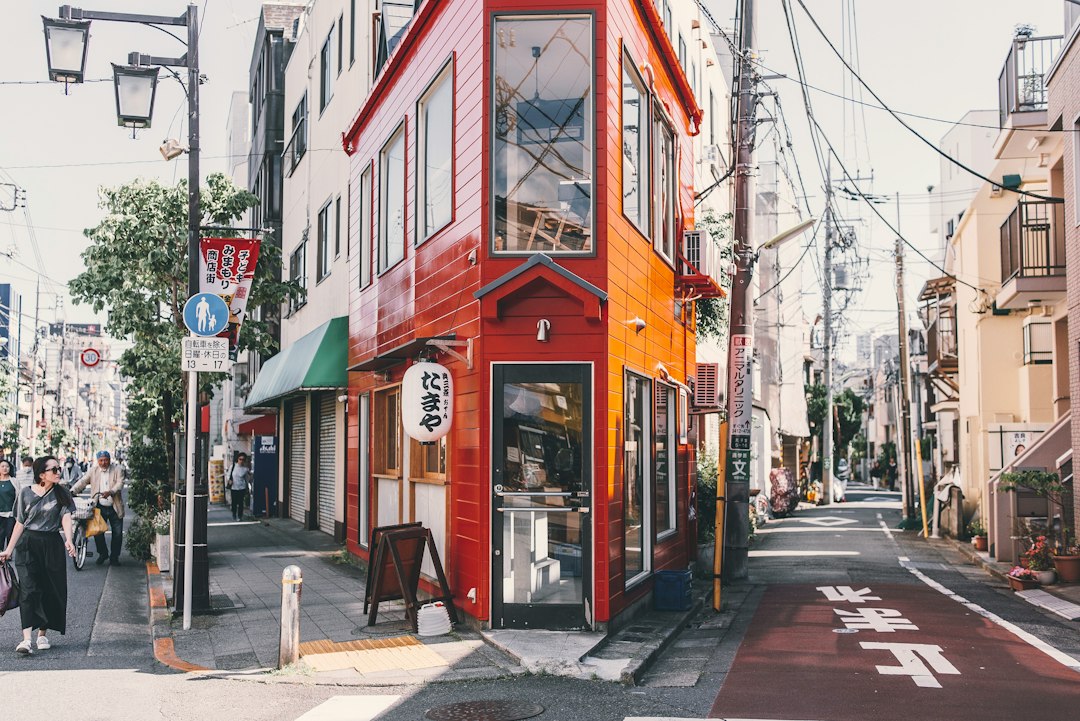
Why Kichijoji Is a Must-Visit for Bocchi the Rock Fans
If you fell in love with the awkward, guitar-clutching charm of Hitori Gotoh and the members of Kessoku Band, chances are you have already searched for real-life locations from Bocchi the Rock!. The anime’s atmospheric backstreets, retro shopping arcades, and cozy live houses are rooted in the real Tokyo neighborhood of Kichijoji and its surrounding areas. This guide walks you through the key spots that inspired the series, helping you plan your own anime pilgrimage (seichi junrei) without getting lost or wasting precious travel time.
A Quick Introduction to Bocchi the Rock’s Setting
Bocchi the Rock! follows Hitori ‘Bocchi’ Gotoh, a painfully shy high schooler who dreams of becoming a rock star while struggling with social anxiety. The anime’s backdrop draws heavily from the laid-back, bohemian vibe of Tokyo’s Kichijoji district and the neighboring Shimokitazawa area, both famous for their indie music scenes, vintage shops, and narrow alleyways full of character. While the story is fictionalized, meticulous background artists clearly used real streets, station exits, and park scenery as visual references, which is why so many fans have been able to pinpoint exact locations.
Getting to Kichijoji
Kichijoji Station is easily reached via the JR Chuo Line or JR Sobu Line from Shinjuku or Tokyo Station, and also via the Keio Inokashira Line. The trip from central Tokyo typically takes between 15 and 30 minutes depending on your starting point, making it an easy half-day or full-day trip. Because the area is compact and walkable, you can comfortably cover most pilgrimage spots on foot in a single afternoon.
Key Pilgrimage Spots in Kichijoji
1. Kichijoji Station North and South Exits
The station itself, along with its bustling exits, appears in several background shots throughout the anime. Take a moment to compare the real station facade and pedestrian crossings with screenshots from the show. The atmosphere of commuters, students, and street musicians perfectly captures the everyday backdrop against which Bocchi’s story unfolds.
2. Inokashira Park
A short walk from the station, Inokashira Park is one of Tokyo’s most beloved green spaces, known for its central pond, rowboats, and seasonal cherry blossoms. The park’s quiet pathways and bridges resemble scenes where characters are shown walking and reflecting, making it a perfect spot for fans to slow down and imagine the emotional beats of the series. Even without a strict scene-for-scene match, the mood here aligns beautifully with the anime’s contemplative tone.
3. The Shopping Arcades (Sun Road and Diagonal Alley)
Kichijoji’s covered shopping streets, especially Sun Road and the quirky Diagonal Alley (Harmonica Yokocho), offer a maze of small shops, retro cafes, and record stores. These narrow, atmospheric lanes closely echo the visual language used in the anime’s urban scenes, where characters pass by neon signs and cluttered storefronts. Wandering here gives you the authentic feel of the show’s grounded, unglamorous depiction of city life.
4. Live Houses and Music Bars
Music is the heartbeat of Bocchi the Rock!, and Kichijoji does not disappoint when it comes to live house culture. Several small venues in the area host indie bands and open mic nights reminiscent of the fictional STARRY live house where Kessoku Band performs. While the exact venue that inspired STARRY is often associated with a real live house in nearby Shimokitazawa, Kichijoji’s own music bars provide a similarly intimate, underground atmosphere worth experiencing if you want to feel like you have stepped into the anime.
Extending Your Pilgrimage to Shimokitazawa
Many fans choose to combine their Kichijoji visit with a trip to Shimokitazawa, a short train ride away via the Keio Inokashira Line. Shimokitazawa is famous for its vintage clothing stores, theater culture, and indie music venues, and is widely believed to have inspired several settings and the general ‘starving artist’ aesthetic of the anime. Pairing both neighborhoods in one day gives you a fuller picture of the world that shaped Bocchi’s story.
Tips for a Respectful and Enjoyable Pilgrimage
- Visit during quieter daytime hours if you want to take unobstructed photos of storefronts and streets.
- Be mindful of local residents and business owners; avoid blocking entrances or loitering for long periods while taking pictures.
- Support local businesses by grabbing a coffee, snack, or souvenir at the shops and cafes you photograph.
- Bring a portable charger, since comparing anime screenshots to real locations on your phone can drain your battery quickly.
- Wear comfortable shoes, as much of the charm of Kichijoji comes from slow, meandering walks through its backstreets.
Best Time to Visit
Kichijoji is enjoyable year-round. Spring brings cherry blossoms to Inokashira Park, while autumn offers colorful foliage along the same pathways. Summer evenings are lively with festival energy, and winter illuminations add a cozy sparkle to the shopping arcades. Whichever season you choose, the neighborhood’s laid-back charm remains consistent, making it a reliably rewarding destination for anime fans at any time of year.
Final Thoughts
A Bocchi the Rock! pilgrimage through Kichijoji is more than just checking off filming locations; it is an opportunity to soak in the same streets, parks, and music venues that shaped the emotional world of a beloved anime. Whether you are a die-hard Kessoku Band fan or simply curious about one of Tokyo’s most charming neighborhoods, Kichijoji rewards slow exploration, good food, and a willingness to get pleasantly lost in its alleyways. Grab your camera, queue up the anime’s soundtrack, and set off on a journey that blends real Tokyo life with the fictional world of Bocchi the Rock!.
Photo by Guus Baggermans on Unsplash