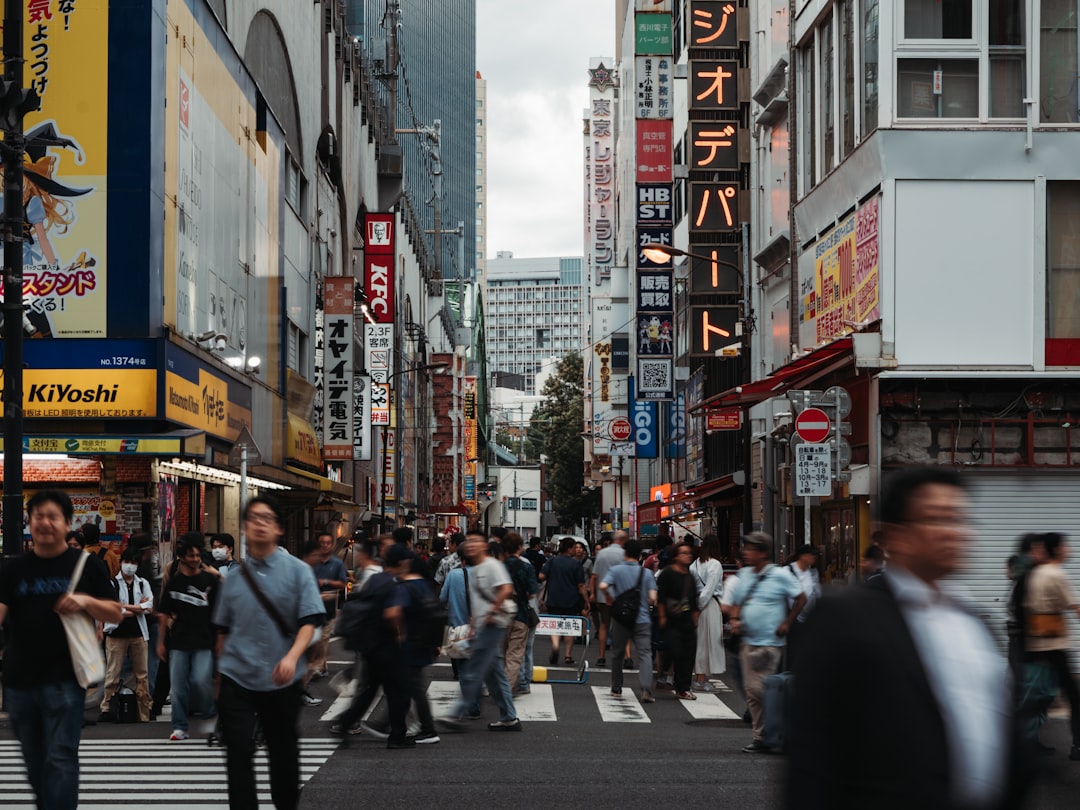

Photo by Vinicius Brasil on Unsplash
Why Look Beyond Akihabara for Anime in Tokyo?
Akihabara has long been crowned the undisputed capital of anime culture in Tokyo, and for good reason. Its neon-lit streets, towering figure shops, and maid cafes have become a rite of passage for otaku visiting Japan. However, Akihabara’s popularity has also made it crowded, touristy, and in many ways commercialized to the point where the authentic charm can feel diluted. Fortunately, Tokyo is a sprawling metropolis with countless neighborhoods that offer equally rich, and sometimes even more specialized, anime experiences without the overwhelming crowds. Whether you’re a seasoned collector, a casual fan, or someone looking to explore anime culture from a fresh angle, these alternatives to Akihabara deserve a spot on your itinerary.
1. Nakano Broadway: A Treasure Trove for Serious Collectors
Just a few train stops from Shinjuku, Nakano Broadway is often described as Akihabara’s older, more refined sibling. This multi-story shopping complex is packed with hundreds of small shops specializing in vintage anime cels, retro toys, manga first editions, and rare figures that you simply won’t find in Akihabara’s larger chain stores. The atmosphere here is quieter and more intimate, allowing you to browse at your own pace and even strike up conversations with knowledgeable shop owners who have been in the business for decades.
- Mandarake’s flagship store occupies multiple floors here, making it a mecca for serious collectors.
- Prices for rare items can sometimes be more negotiable than in Akihabara.
- The retro, nostalgic vibe of the building itself adds to the charm.
2. Ikebukuro’s Otome Road: The Female-Focused Anime District
While Akihabara often caters heavily to male otaku culture, Ikebukuro’s Otome Road flips the script by focusing on content created for and by female fans. This includes boys’ love (BL) manga, otome games, and merchandise for reverse-harem anime series. The area is centered around Sunshine City and offers a completely different energy, with cafes themed around popular josei and shoujo series, as well as specialty stores selling doujinshi (fan-made comics) that cater to a female audience.
- Animate Ikebukuro, one of the largest Animate stores in Tokyo, is a must-visit.
- K-Books and Mandarake branches here specialize in BL and otome content.
- Butler cafes offer a gender-swapped twist on Akihabara’s maid cafe concept.
3. Shimokitazawa: Indie Vibes Meet Anime Culture
For travelers who want to experience anime culture blended with Tokyo’s bohemian, indie scene, Shimokitazawa is an unexpected gem. This trendy neighborhood, known for its vintage clothing stores and live music venues, also houses small, curated shops selling anime art, vinyl soundtracks from classic series, and independent artist merchandise. It’s less about mass-produced figures and more about discovering unique, artistic interpretations of beloved anime worlds.
- Look for pop-up galleries featuring anime-inspired artwork.
- Small record shops often carry rare anime soundtrack vinyl.
- The relaxed, cafe-filled streets make for a refreshing break from Akihabara’s intensity.
4. Suginami Animation Museum: Learn the Craft Behind the Magic
Located in a quieter residential part of Tokyo, the Suginami Animation Museum offers an educational deep dive into the history and technical process of anime production. Suginami Ward is historically significant as the birthplace of many major Japanese animation studios. The museum features interactive exhibits where visitors can try their hand at creating flipbook animations, view original animation cels, and learn about the evolution of the industry from its early days to modern digital techniques.
- Admission is free, making it an excellent budget-friendly activity.
- Exhibits are family-friendly and include some English signage.
- The surrounding neighborhood offers a glimpse into everyday Tokyo life away from tourist crowds.
5. Jimbocho: For the Manga Purist
Known primarily as Tokyo’s used bookstore district, Jimbocho is a paradise for manga enthusiasts who prefer print over merchandise. Rows upon rows of secondhand bookstores line the streets, many specializing in vintage manga, rare first-print editions, and out-of-print series that have become cult classics. This is where dedicated collectors go to hunt for treasures that never make it to Akihabara’s shelves.
- Many stores organize manga by genre, era, and publisher for easy browsing.
- Prices for used manga are often significantly lower than new releases.
- The scholarly, bookish atmosphere of the neighborhood adds a unique charm.
6. Shibuya and Harajuku: Anime Meets Mainstream Fashion
Shibuya and neighboring Harajuku offer a more mainstream but still exciting anime experience, blending pop culture with fashion and youth trends. Large entertainment complexes here often feature anime-themed pop-up shops, collaboration cafes, and gacha machine corners. This area is ideal for fans who want to combine anime shopping with Tokyo’s famous street fashion and trendy food scenes.
- Anime x fashion brand collaborations frequently launch limited-edition items here.
- Themed cafes rotate regularly, featuring different popular series throughout the year.
- The vibrant street culture makes it easy to combine anime exploration with general sightseeing.
Tips for Exploring Tokyo’s Anime Scene Beyond Akihabara
When venturing into these alternative neighborhoods, keep a few practical tips in mind. First, many smaller shops in areas like Nakano Broadway and Jimbocho may only accept cash, so it’s wise to carry yen with you. Second, opening hours can vary significantly from Akihabara’s tourist-friendly schedules, with some specialty shops opening later in the day. Finally, don’t be afraid to explore side streets and unmarked buildings, as some of the best finds in these neighborhoods are hidden away from the main thoroughfares.
Final Thoughts
While Akihabara remains an iconic starting point for any anime pilgrimage in Tokyo, the city offers so much more for those willing to venture beyond its famous streets. From the collector’s paradise of Nakano Broadway to the female-focused culture of Ikebukuro’s Otome Road, and the educational insights of the Suginami Animation Museum, Tokyo’s anime landscape is vast and varied. Exploring these alternatives not only helps you avoid the crowds but also deepens your appreciation for the diverse ways anime culture manifests across the city. So next time you’re planning your otaku adventure in Tokyo, consider stepping off the well-trodden Akihabara path and discovering these equally rewarding destinations.