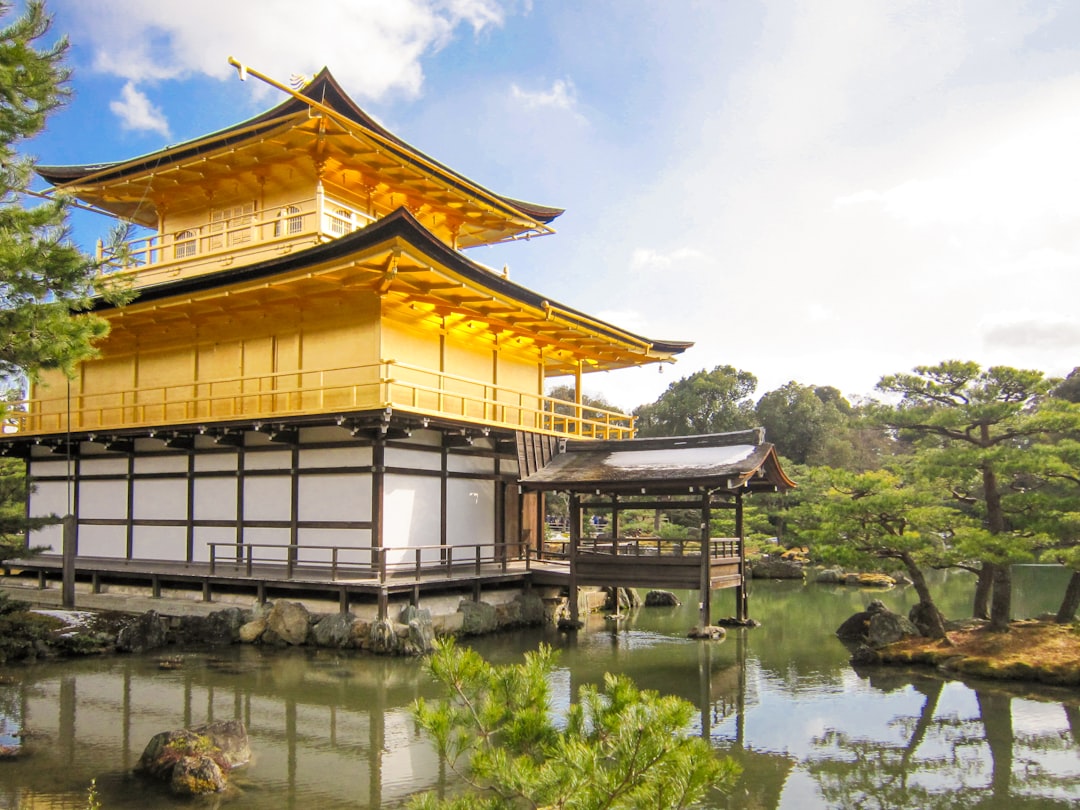

Photo by KWON JUNHO on Unsplash
Kyoto, Japan’s former imperial capital, is home to over 2,000 temples and shrines, making it one of the world’s most spiritually rich destinations. For first-time visitors, navigating this incredible collection of sacred sites can feel overwhelming. This comprehensive guide will help you discover the most essential temples, understand proper etiquette, and make the most of your spiritual journey through Japan’s cultural heart.
Understanding Kyoto’s Temple Culture
Before diving into specific temples, it’s crucial to understand the difference between Buddhist temples and Shinto shrines. Temples (tera or ji) are Buddhist places of worship, while shrines (jinja) are dedicated to Shinto deities. Kyoto houses both, often in close proximity, reflecting Japan’s religious harmony.
Buddhist temples typically feature pagodas, large halls for worship, and gardens designed for meditation. Many were established over 1,000 years ago and have survived wars, natural disasters, and modernization. Each temple has its own unique history, architectural style, and spiritual significance.
Essential Temple Etiquette for Visitors
Respecting temple customs is essential for a meaningful visit. Always bow slightly before entering temple grounds and remove your hat. Photography may be restricted in certain areas, particularly inside main halls where Buddha statues are housed. Look for signs or ask temple staff if unsure.
When entering temple buildings, remove your shoes and place them neatly in designated areas. Speak quietly and turn off mobile devices. If you wish to pray or make an offering, observe how locals do it first. A small monetary offering (usually 5-100 yen) is appreciated when ringing temple bells or lighting incense.
Dress modestly with covered shoulders and knees. While not as strict as some religious sites worldwide, showing respect through appropriate attire demonstrates cultural awareness and reverence for sacred spaces.
Top 10 Must-Visit Temples for First-Timers
1. Kiyomizu-dera Temple
Perhaps Kyoto’s most famous temple, Kiyomizu-dera offers breathtaking city views from its wooden stage that juts out 13 meters above the hillside. The temple’s name means “Pure Water Temple,” referring to the Otowa Waterfall where visitors drink sacred water believed to grant wishes. The main hall, reconstructed without using a single nail, exemplifies traditional Japanese architecture.
Visit early morning or late afternoon for the best lighting and fewer crowds. The temple is particularly stunning during cherry blossom and autumn foliage seasons, though beautiful year-round.
2. Fushimi Inari Shrine
While technically a Shinto shrine, Fushimi Inari is unmissable for first-time visitors. Famous for its thousands of vermillion torii gates creating tunnels up Mount Inari, this sacred site is dedicated to the rice deity. The hike through all gates takes 2-3 hours, but you can turn back at any point.
Early morning visits offer cooler temperatures and better photo opportunities without crowds. The shrine is open 24 hours, making sunrise visits particularly magical.
3. Kinkaku-ji (Golden Pavilion)
Kinkaku-ji, covered entirely in gold leaf, reflects magnificently in the surrounding pond. Originally built as a retirement villa for a shogun, it became a temple after his death. The three-story structure represents different architectural styles: palace, samurai, and temple.
The temple is most photogenic on clear days when the golden facade creates perfect reflections. Visit early to avoid tour groups, as this is one of Kyoto’s most popular attractions.
4. Ginkaku-ji (Silver Pavilion)
Despite its name, Ginkaku-ji was never covered in silver. This understated temple emphasizes subtlety and refinement over ostentation. The meticulously maintained gardens showcase traditional Japanese landscape design principles, including raked sand patterns and carefully positioned stones.
The temple complex includes walking paths through different garden styles, offering varying perspectives of the architecture and surrounding mountains. Allow at least an hour to fully appreciate the craftsmanship.
5. Bamboo Grove and Tenryu-ji Temple
Located in Arashiyama, Tenryu-ji features one of Japan’s most beautiful temple gardens, designated as a UNESCO World Heritage site. The temple was built to appease the spirit of Emperor Go-Daigo, and its gardens blend harmoniously with the surrounding bamboo forest.
The nearby bamboo grove creates a natural cathedral of towering green stalks. Visit mid-morning when filtered sunlight creates an ethereal atmosphere through the bamboo.
6. Sanjusangen-do
This temple houses 1,001 statues of Kannon, the goddess of mercy, creating one of Japan’s most awe-inspiring religious displays. The main hall stretches 120 meters, making it one of the longest wooden structures in the world. Each statue is slightly different, hand-carved by master craftsmen.
Photography is prohibited inside, encouraging visitors to fully immerse themselves in the spiritual atmosphere. The scale and artistry of this temple make it unforgettable for first-time visitors.
7. Tofuku-ji Temple
Tofuku-ji is renowned for its autumn colors but offers beautiful gardens year-round. The temple complex includes multiple sub-temples and gardens, each with distinct characteristics. The Tsuten-kyo Bridge provides stunning views over the temple grounds and surrounding maple trees.
Visit during different seasons to appreciate how the gardens transform throughout the year. Spring brings fresh green foliage, while winter reveals the temple’s architectural bones.
8. Nanzen-ji Temple
This large temple complex showcases the power and influence of Zen Buddhism during the medieval period. The Sanmon gate offers panoramic city views, while the temple grounds include beautiful gardens and a unique aqueduct from the Meiji period that still carries water.
The temple’s sub-temples each offer different experiences, from rock gardens to tea ceremony spaces. Allow several hours to explore the entire complex thoroughly.
9. Daigo-ji Temple
Daigo-ji consists of three areas: Shimo-Daigo (lower), Kami-Daigo (upper), and Shimo-Daigo. The lower temple is easily accessible and features beautiful buildings and gardens. For adventurous visitors, the hike to upper Daigo offers mountain temple experiences and spectacular views.
This temple is famous for cherry blossoms, as Toyotomi Hideyoshi held elaborate hanami parties here. However, the temple’s spiritual significance and natural beauty make it worthwhile any time of year.
10. Chion-in Temple
One of Kyoto’s largest temples, Chion-in serves as the headquarters of Jodo Buddhism. The temple bell, weighing 70 tons, is one of Japan’s largest and requires 17 monks to ring it during New Year celebrations. The massive Sanmon gate is considered one of Japan’s three great gates.
The temple offers different experiences throughout the day, from quiet morning meditations to evening illuminations during special events. The scale of the buildings demonstrates the historical power of Buddhist institutions.
Planning Your Temple Visits
Most temples open between 6:00-9:00 AM and close around sunset. Entry fees typically range from 300-600 yen for adults. Consider purchasing a Kyoto City Bus Pass for convenient transportation between temples, as many are located along bus routes.
Group temples by geographical area to maximize your time. The Eastern Higashiyama district includes Kiyomizu-dera, Nanzen-ji, and Ginkaku-ji. Northern areas feature Kinkaku-ji and nearby temples. Western Arashiyama offers Tenryu-ji and bamboo groves.
Allow 1-2 hours per major temple, though you could spend entire days at larger complexes like Nanzen-ji or Daigo-ji. Don’t rush; temple visits are meant to be contemplative experiences, not checkbox activities.
Seasonal Considerations
Each season offers unique temple experiences. Spring brings cherry blossoms but also crowds. Summer provides lush greenery and morning freshness before heat sets in. Autumn offers spectacular foliage but requires advance planning for popular spots. Winter provides solitude and stark beauty with occasional snow.
Early morning visits year-round offer the best experiences with fewer crowds, better lighting for photography, and more peaceful atmospheres for reflection and appreciation.
Making the Most of Your Temple Journey
Consider hiring a local guide for deeper cultural understanding, especially for your first few temple visits. Many temples offer meditation sessions or cultural programs for visitors interested in more immersive experiences.
Keep a temple journal to record your impressions, favorite architectural details, and spiritual insights. This creates lasting memories beyond photographs and helps process the cultural richness you’re experiencing.
Remember that temples are living religious sites, not just tourist attractions. Approach each visit with respect and openness to learning about Japanese spirituality and culture. Your temple journey through Kyoto will provide insights into Japan’s soul that extend far beyond sightseeing.