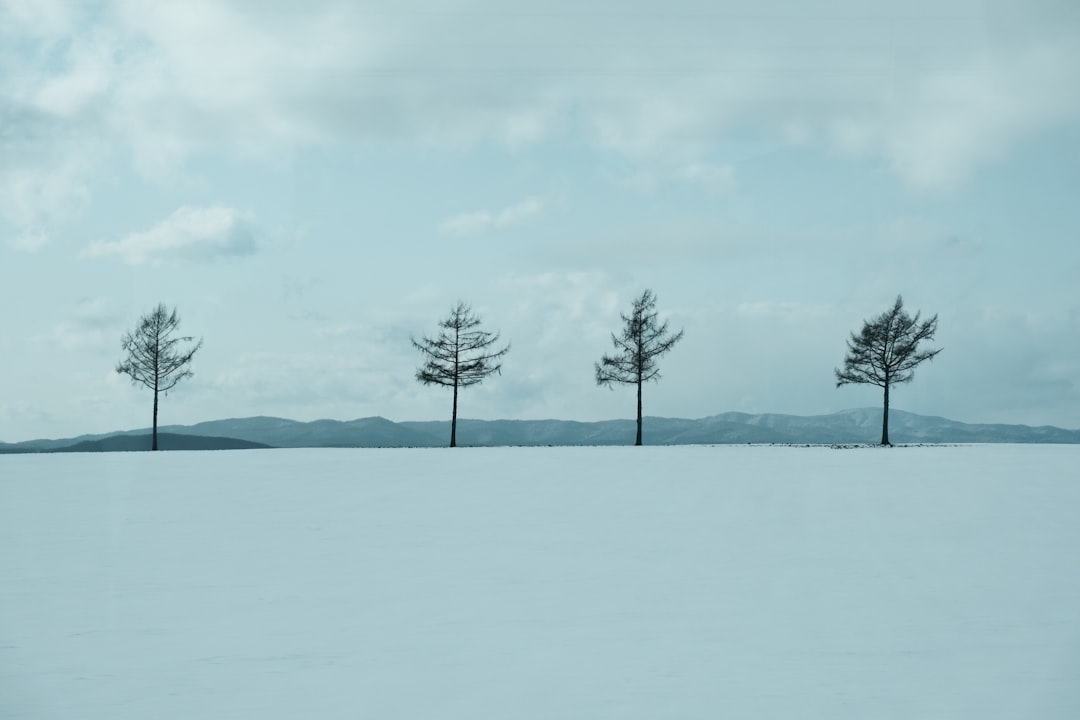

Photo by Kris Tian on Unsplash
Hokkaido transforms into a magical winter wonderland from December through March, offering travelers an unforgettable experience filled with pristine powder snow, steaming hot springs, and unique cultural festivities. Japan’s northernmost island becomes a paradise for winter sports enthusiasts, food lovers, and anyone seeking the authentic beauty of a Japanese winter.
When to Visit Hokkaido in Winter
The optimal time for winter travel in Hokkaido spans from mid-December to early March. December brings the first significant snowfall, creating picture-perfect landscapes, while January and February offer the deepest powder and coldest temperatures. March provides milder weather while still maintaining excellent snow conditions for outdoor activities.
Peak season occurs during the Sapporo Snow Festival in early February and New Year holidays, when accommodation prices rise and attractions become crowded. For a more budget-friendly and peaceful experience, consider visiting in January or late February through early March.
Top Winter Destinations in Hokkaido
Sapporo: The Winter Capital
Sapporo serves as the perfect base for your Hokkaido winter adventure. The city combines urban sophistication with easy access to world-class ski resorts and winter activities. The famous Sapporo Snow Festival transforms Odori Park into an outdoor sculpture gallery featuring massive ice and snow creations that attract millions of visitors annually.
Beyond the festival, Sapporo offers excellent dining experiences, including fresh seafood markets, renowned ramen shops, and craft breweries. The Susukino district comes alive at night with illuminated streets and cozy izakayas perfect for warming up after a day in the snow.
Niseko: Powder Snow Paradise
Niseko has gained international recognition as one of the world’s premier ski destinations, thanks to its legendary powder snow that falls consistently throughout the winter season. The resort area encompasses four interconnected ski areas: Grand Hirafu, Hanazono, Niseko Village, and Annupuri.
The region receives an average of 15 meters of snowfall annually, creating ideal conditions for skiing, snowboarding, and backcountry adventures. Off the slopes, visitors can enjoy luxury accommodations, world-class spas, and diverse dining options ranging from traditional Japanese cuisine to international fare.
Otaru: Historic Winter Charm
The historic port city of Otaru showcases romantic winter beauty with its preserved canal district lined with Victorian-era warehouses and glowing gas lamps. The Otaru Snow Light Path Festival illuminates the city with thousands of candles and snow lanterns, creating an enchanting atmosphere perfect for evening strolls.
Otaru’s glassblowing heritage continues today with numerous workshops and galleries where visitors can observe artisans at work and purchase unique souvenirs. The city also serves as a gateway to excellent seafood, particularly fresh uni (sea urchin) and kaisendon (seafood rice bowls).
Hakodate: Southern Gateway
Located in southern Hokkaido, Hakodate offers a milder winter climate while still providing stunning snow-covered landscapes. The city’s historic districts, including the former foreign quarter with its Western-style buildings, take on a fairy-tale quality under a blanket of snow.
Mount Hakodate provides spectacular panoramic views of the snow-covered city and surrounding bay, particularly beautiful during sunset and evening hours. The morning market near Hakodate Station offers exceptional fresh crab and other local seafood specialties.
Winter Activities and Experiences
Skiing and Snowboarding
Hokkaido boasts numerous world-class ski resorts beyond Niseko. Rusutsu Resort offers varied terrain and excellent snow conditions across three interconnected mountains. Kiroro Snow World provides a more intimate skiing experience with reliable powder and stunning mountain views.
For beginners, smaller resorts like Sapporo Kokusai and Jozankei offer excellent learning environments with professional instruction and gentler slopes. Many resorts provide equipment rental and English-speaking staff to assist international visitors.
Hot Spring Bathing (Onsen)
Winter onsen experiences rank among Hokkaido’s most memorable activities. Soaking in naturally heated mineral waters while snow falls around you creates an uniquely Japanese experience that rejuvenates both body and spirit.
Jozankei Onsen, located just outside Sapporo, offers numerous bath houses and ryokan accommodations surrounded by snow-covered mountains. Noboribetsu Onsen features diverse mineral compositions and dramatic volcanic landscapes. For a more remote experience, Tokachidake Onsen provides rustic hot springs in pristine mountain settings.
Wildlife Watching
Hokkaido’s winter wildlife viewing opportunities are exceptional. The Shiretoko Peninsula offers chances to spot drift ice seals, eagles, and other arctic wildlife. Red-crowned cranes perform their elegant mating dances in the Kushiro Marshlands, creating spectacular photography opportunities.
The famous snow monkeys, while more commonly associated with Honshu, can also be observed in certain areas of Hokkaido during winter months. Many tour operators offer guided wildlife viewing excursions with expert naturalists.
Winter Festivals and Events
The Sapporo Snow Festival stands as Hokkaido’s most famous winter celebration, featuring enormous snow and ice sculptures created by teams from around the world. The festival spans multiple sites throughout the city, with the main displays in Odori Park showcasing architectural replicas and artistic creations.
Smaller communities host their own winter festivals, such as the Sounkyo Ice Fall Festival featuring illuminated ice formations and ice climbing demonstrations. The Lake Shikotsu Ice Festival creates a frozen wonderland with colored ice structures and winter activities.
Local Winter Cuisine
Hokkaido’s winter cuisine emphasizes hearty, warming dishes that showcase the region’s exceptional ingredients. Kaiseki (hot pot) becomes particularly popular during cold months, with varieties featuring fresh seafood, premium beef, and seasonal vegetables.
Ramen culture thrives in winter, with Sapporo’s miso ramen providing rich, warming bowls perfect for cold days. Jingisukan (grilled lamb) offers another regional specialty that pairs excellently with local beer and sake.
Winter brings peak season for various seafood delicacies, including sweet snow crab, uni (sea urchin), and ikura (salmon roe). Many restaurants offer special winter courses highlighting these seasonal ingredients.
Practical Winter Travel Tips
Clothing and Preparation
Proper clothing is essential for comfortable winter travel in Hokkaido. Temperatures regularly drop below freezing, with wind chill making conditions feel even colder. Layer thermal underwear, insulating middle layers, and waterproof outer shells to stay warm and dry.
Invest in quality winter boots with good traction for icy conditions. Many convenience stores sell disposable hand and foot warmers that provide additional comfort during outdoor activities. Waterproof gloves and warm hats are also essential.
Transportation
JR Hokkaido trains continue operating in winter conditions, though schedules may experience delays during heavy snowfall. The JR Hokkaido Rail Pass offers excellent value for travelers planning to visit multiple destinations across the island.
Rental cars provide flexibility for reaching remote hot springs and ski resorts, but require winter driving experience and snow tire equipment. Many rental agencies provide vehicles equipped with proper winter gear and offer brief orientation sessions for international drivers.
Accommodation
Book accommodations well in advance, particularly during peak periods like the Snow Festival and New Year holidays. Traditional ryokan inns offer authentic experiences with tatami rooms, futon bedding, and elaborate kaiseki dinners.
Modern hotels in major cities provide Western amenities and often feature their own onsen facilities. Ski resorts offer slope-side lodging ranging from luxury hotels to budget-friendly hostels and pension-style accommodations.
Planning Your Winter Itinerary
A well-planned Hokkaido winter itinerary typically spans 7-10 days to experience the region’s diverse offerings adequately. Begin in Sapporo for urban attractions and festival events, then venture to Niseko or other ski areas for mountain activities. Include time in smaller communities like Otaru for cultural experiences and conclude with relaxation at premium onsen destinations.
Consider purchasing activity passes that bundle ski lift tickets, onsen admissions, and transportation for better value. Many tour operators offer package deals combining accommodations, meals, and guided activities tailored to winter visitors.
Budget approximately 15,000-25,000 yen per day including accommodation, meals, and activities, with costs varying significantly based on accommodation choices and dining preferences. Winter sports equipment rental, spa treatments, and premium dining experiences require additional budgeting.