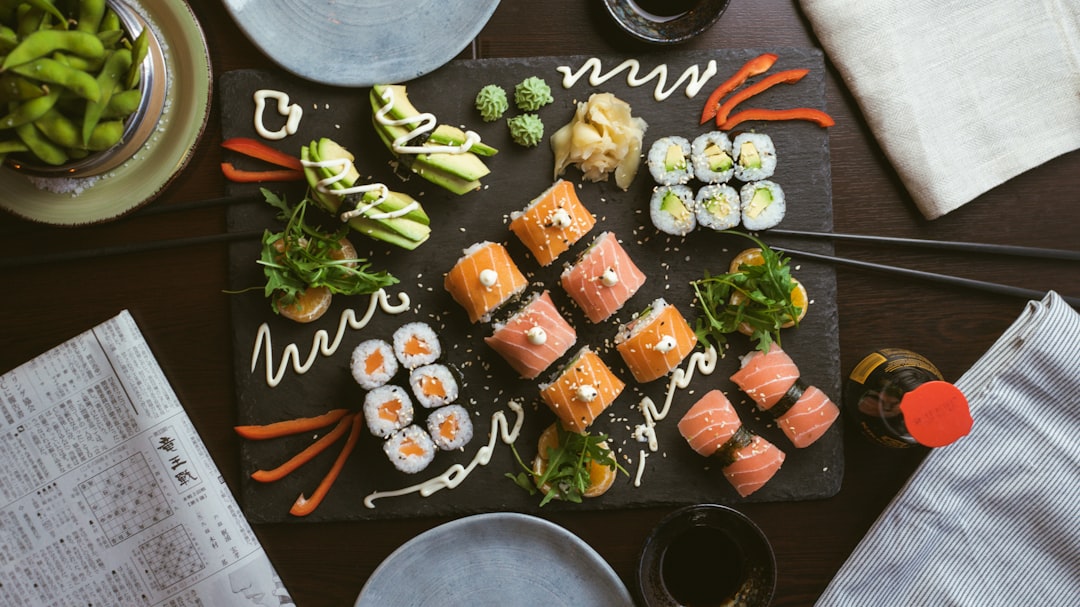

Photo by Jakub Dziubak on Unsplash
Kaiseki represents the pinnacle of Japanese culinary artistry, where every element from presentation to consumption follows centuries-old traditions. Understanding proper kaiseki dining etiquette ensures you’ll appreciate this extraordinary culinary experience while showing respect for Japanese culture and your hosts.
What Is Kaiseki Dining?
Kaiseki is Japan’s most refined dining tradition, originally developed from the tea ceremony culture in the 16th century. This multi-course meal emphasizes seasonal ingredients, artistic presentation, and the harmony between food, nature, and dining companions. Each dish tells a story through carefully selected ingredients, cooking methods, and presentation styles that reflect the current season.
The word “kaiseki” combines two characters: “kai” meaning pocket, and “seki” meaning stone. This refers to the warm stones Zen monks would place in their robes to suppress hunger during meditation. Today’s kaiseki has evolved far beyond its humble origins into an elaborate culinary performance that can include anywhere from seven to fourteen courses.
Essential Pre-Meal Etiquette
Arrival and Seating
Punctuality is paramount in kaiseki dining. Arrive exactly on time, as the chef carefully times each course’s preparation. Late arrivals can disrupt the entire dining rhythm and show disrespect to other guests and the establishment.
Remove your shoes when entering the restaurant, and if dining in a traditional tatami room, sit in the seiza position (kneeling with feet tucked under). If seiza becomes uncomfortable, you may quietly shift to a cross-legged position, but avoid stretching your legs toward other diners.
Understanding Your Place Setting
Your kaiseki place setting will include several items: chopsticks (hashi), a small ceramic chopstick rest (hashioki), a rice bowl, soup bowl, and various small plates. Each item has been carefully selected to complement the meal’s aesthetic. Handle all items gently and appreciate their craftsmanship.
Proper Chopstick Etiquette
Chopstick usage in kaiseki follows strict protocols that differ from casual dining. Hold chopsticks in the lower third, maintaining proper grip throughout the meal. Never stick chopsticks upright in rice, as this resembles funeral rituals and brings bad luck.
When not eating, place chopsticks on the provided rest with tips pointing left. Avoid pointing chopsticks at people, passing food chopstick-to-chopstick, or using them to move dishes around the table. If you need to gesture while holding chopsticks, place them down first.
Clean your chopsticks with the provided cloth (oshibori) only before the meal begins. During dining, avoid wiping chopsticks between courses, as this suggests dissatisfaction with the food’s cleanliness.
Course-by-Course Dining Protocol
Sakizuke (Appetizer)
The meal begins with sakizuke, a small appetizer designed to awaken your palate. Consume this completely and at a moderate pace. Express appreciation for the presentation before eating, and finish everything on the plate to show respect for the chef’s preparation.
Suimono (Clear Soup)
Hold the soup bowl with both hands when lifting it to drink directly from the rim. Use chopsticks to eat solid ingredients, then alternate between sipping broth and consuming solids. The delicate flavor requires attention, so avoid conversation while tasting.
Sashimi Course
Eat sashimi pieces in one bite when possible. If the piece is too large, it’s acceptable to take two bites, but avoid leaving half-eaten pieces. Use the provided ginger (gari) to cleanse your palate between different fish types, not as a topping for the sashimi itself.
Yakimono (Grilled Items)
Grilled fish should be eaten from head to tail, working systematically rather than randomly picking at different sections. If bones are present, carefully separate them using chopsticks and place them discretely on the side of your plate.
Rice and Pickles
Rice typically arrives near the meal’s end. Hold the bowl close to your mouth while eating to prevent dropping grains. Pickles (tsukemono) serve as palate cleansers and digestive aids. Eat them slowly between rice bites.
Drinking Etiquette During Kaiseki
Sake or tea often accompanies kaiseki meals. Never pour your own drinks; instead, serve others at your table and wait for them to reciprocate. When someone offers to pour for you, hold your cup with both hands and bow slightly as a sign of gratitude.
Sip alcoholic beverages slowly and moderately. Kaiseki emphasizes mindful consumption, and excessive drinking detracts from the meal’s subtle flavors and peaceful atmosphere. Green tea, when served, should be appreciated for its quality and seasonal appropriateness.
Communication and Appreciation
Expressing Gratitude
Begin the meal by saying “itadakimasu” (I humbly receive) and conclude with “gochisousama” (thank you for the feast). These phrases show respect for the ingredients, preparation, and service you’ve received.
Throughout the meal, use appreciative phrases like “oishi desu” (it’s delicious) when appropriate, but avoid excessive commentary. Kaiseki dining emphasizes quiet contemplation and subtle appreciation rather than enthusiastic verbal responses.
Conversation Guidelines
Keep conversations soft and respectful. Discuss the food’s presentation, seasonal significance, or ingredients, but avoid controversial topics or loud discussions. The peaceful atmosphere is essential to kaiseki’s meditative quality.
Ask questions about dishes when appropriate, showing genuine interest in learning about the ingredients or preparation methods. Most kaiseki establishments appreciate guests who demonstrate cultural curiosity and respect.
Understanding Seasonal Elements
Kaiseki celebrates Japan’s four distinct seasons through ingredients, presentations, and even dishware. Spring menus feature cherry blossom motifs and tender vegetables, while autumn incorporates maple leaves and hearty mushrooms. Acknowledge these seasonal elements to show appreciation for the chef’s artistry.
Pottery and serving dishes change with seasons, featuring colors and patterns that complement the natural world outside. This attention to seasonal harmony reflects core Japanese aesthetic principles that extend far beyond food into art, architecture, and daily life.
What to Avoid During Kaiseki Dining
Several behaviors can disrupt the kaiseki experience for yourself and others. Avoid using phones or taking excessive photographs, as this disturbs the meal’s contemplative nature. While some photos may be acceptable, ask permission first and be discrete.
Don’t add soy sauce or other condiments unless specifically provided and intended for certain dishes. The chef has carefully balanced each dish’s flavors, and additional seasonings suggest dissatisfaction with their preparation.
Avoid leaving food unfinished unless you’re genuinely unable to continue. Waste shows disrespect for the ingredients and preparation effort. If you have dietary restrictions, communicate these when making reservations rather than leaving food during the meal.
Modern Adaptations and Accessibility
While traditional kaiseki etiquette remains important, many establishments now accommodate international guests with modified customs. Some restaurants provide chairs instead of traditional floor seating, and servers may offer gentle guidance on proper procedures.
Don’t feel intimidated if you’re unfamiliar with all protocols. Showing genuine respect and willingness to learn matters more than perfect technique. Most Japanese hosts appreciate sincere efforts to understand their culture, even if your execution isn’t flawless.
Conclusion
Mastering kaiseki dining etiquette enhances your appreciation of this extraordinary culinary tradition while demonstrating respect for Japanese culture. Remember that kaiseki is fundamentally about harmony – between flavors, seasons, diners, and the broader natural world. Approach your kaiseki experience with mindfulness, respect, and openness to learning, and you’ll discover why this dining tradition has captivated people for centuries.
The investment in understanding proper etiquette pays dividends in cultural appreciation and personal enrichment. Each kaiseki meal becomes not just dining, but participation in a living cultural tradition that connects you to centuries of Japanese aesthetic and culinary development.