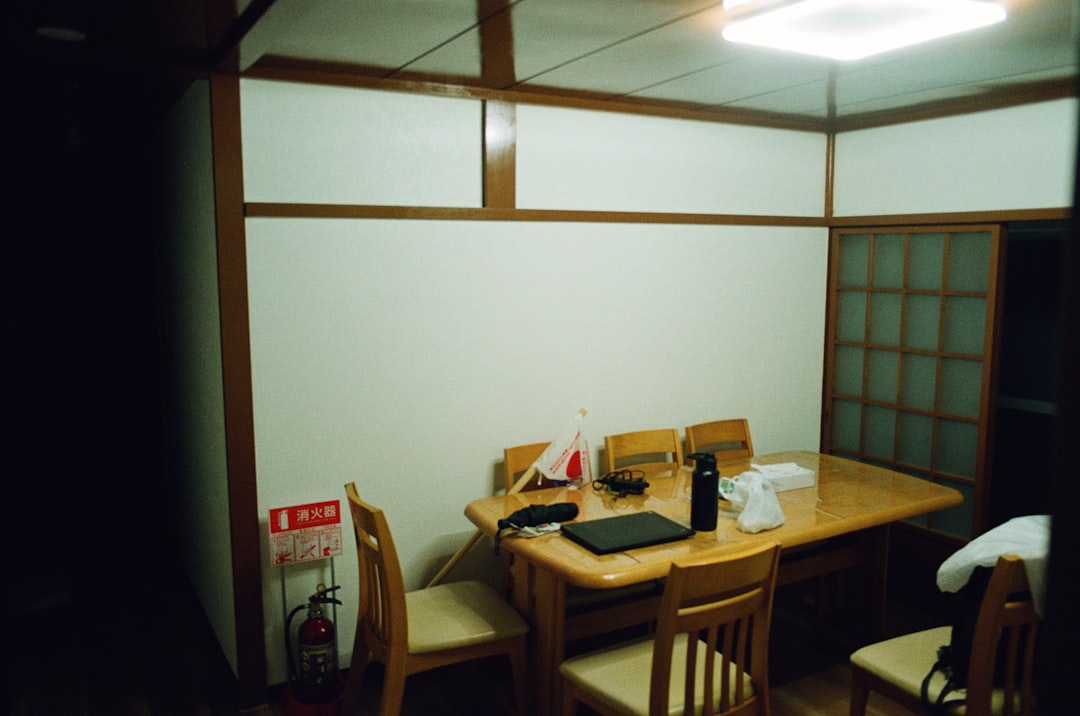
A traditional ryokan experience represents the pinnacle of Japanese hospitality, offering travelers an immersive journey into centuries-old customs and refined elegance. These traditional Japanese inns provide far more than just accommodation – they serve as cultural gateways where guests can experience the art of omotenashi (Japanese hospitality) in its purest form.
What Makes a Traditional Ryokan Experience Special?
Traditional ryokans are distinguished by their commitment to preserving Japanese culture through every aspect of the guest experience. Unlike modern hotels, these establishments focus on creating a harmonious environment where architecture, service, cuisine, and atmosphere work together to transport visitors to a bygone era of Japanese refinement.
The essence of a ryokan lies in its attention to detail and the seamless integration of natural elements with human comfort. From the moment you step inside, you’re enveloped in an atmosphere of tranquility that encourages mindfulness and relaxation.
Essential Elements of Traditional Ryokan Architecture
Tatami Mat Flooring
Traditional ryokan rooms feature tatami mats made from woven rush grass, creating a natural, breathable surface that connects guests with traditional Japanese living. These mats provide excellent insulation and emit a subtle, pleasant fragrance that enhances the overall sensory experience.
Sliding Doors and Paper Screens
Shoji screens and fusuma sliding doors define ryokan interiors, allowing for flexible room configurations while maintaining privacy. These paper screens create a soft, diffused lighting that changes throughout the day, adding to the serene atmosphere.
Minimalist Design Philosophy
Ryokan rooms embody the Japanese concept of ‘ma’ – the purposeful use of space and emptiness. Minimal furnishing allows guests to appreciate the natural beauty of materials like wood, bamboo, and stone, creating a meditative environment that promotes inner peace.
The Art of Omotenashi: Unparalleled Japanese Service
Omotenashi, the Japanese philosophy of selfless service, forms the foundation of every traditional ryokan experience. Staff members, known as nakai-san, anticipate guests’ needs before they’re expressed, providing service that feels both invisible and omnipresent.
This level of hospitality extends beyond mere customer service – it’s a cultural expression of respect, care, and genuine concern for guest comfort. From the initial greeting to the final farewell, every interaction is designed to make guests feel honored and valued.
Personalized Attention
Each guest is assigned a dedicated attendant who handles everything from room preparation to meal service. This personal touch ensures that individual preferences are remembered and accommodated throughout the stay, creating a truly customized experience.
Kaiseki Dining: A Culinary Journey Through Japanese Seasons
The traditional ryokan experience reaches its culinary pinnacle through kaiseki dining – a multi-course meal that celebrates seasonal ingredients and artistic presentation. These elaborate dinners represent one of Japan’s highest culinary art forms, where each dish tells a story of place, season, and tradition.
Seasonal Ingredients and Local Specialties
Kaiseki menus change with the seasons, featuring locally sourced ingredients at their peak freshness. Spring might bring tender bamboo shoots and cherry blossom garnishes, while autumn features matsutake mushrooms and persimmons. This commitment to seasonality connects diners with Japan’s natural rhythms.
Artistic Presentation
Each dish in a kaiseki meal is presented as a work of art, with careful attention to color, texture, and visual balance. The pottery and serving vessels are often handcrafted pieces that complement both the food and the season, elevating the dining experience to aesthetic heights.
Onsen and Sento: The Healing Waters of Japan
Many traditional ryokans feature natural hot spring baths (onsen) or public bath facilities (sento), providing guests with therapeutic relaxation opportunities. These mineral-rich waters offer numerous health benefits while serving as spaces for quiet contemplation and physical renewal.
Onsen Etiquette and Benefits
Proper onsen etiquette enhances the experience for all guests. This includes thorough washing before entering the communal baths, maintaining quiet conversation levels, and respecting the peaceful atmosphere. The mineral-rich waters provide benefits ranging from improved circulation to skin health and stress relief.
Indoor and Outdoor Bath Experiences
Traditional ryokans often feature both indoor and outdoor bathing areas (rotenburo), allowing guests to soak while surrounded by natural landscapes. The experience of bathing under starry skies or among snow-covered gardens creates unforgettable memories of connection with nature.
Sleeping on Futon: Embracing Traditional Japanese Rest
The traditional ryokan experience includes sleeping on futon mattresses laid directly on tatami floors. While initially unfamiliar to Western guests, this sleeping arrangement promotes better spinal alignment and connects visitors with authentic Japanese lifestyle practices.
Nakai-san prepare the bedding each evening while guests enjoy dinner, transforming the day room into a comfortable sleeping space. In the morning, the futon is stored away, returning the room to its daytime configuration.
Cultural Activities and Experiences
Tea Ceremony Demonstrations
Many traditional ryokans offer tea ceremony experiences, providing guests with insights into this meditative Japanese art form. These sessions teach the principles of harmony, respect, purity, and tranquility that define Japanese aesthetics.
Garden Contemplation
Ryokan gardens serve as living artworks designed for contemplation and seasonal appreciation. These carefully maintained spaces feature elements like stone lanterns, koi ponds, and meticulously pruned trees that create peaceful environments for reflection.
Traditional Craft Workshops
Some establishments offer workshops in traditional Japanese crafts such as calligraphy, flower arrangement (ikebana), or pottery. These hands-on experiences provide deeper cultural understanding and create lasting memories of Japanese artisanship.
Choosing the Right Traditional Ryokan
Location Considerations
Traditional ryokans can be found throughout Japan, from mountain hot spring towns to coastal fishing villages. Consider your travel goals when selecting a location – mountain ryokans offer forest tranquility and hot springs, while coastal properties provide fresh seafood and ocean views.
Authentic vs. Modern Hybrid Properties
Research thoroughly to ensure your chosen ryokan maintains traditional practices. Some properties blend modern amenities with traditional aesthetics, which may appeal to certain travelers but might not provide the full traditional experience.
Budget and Seasonal Pricing
Traditional ryokan experiences represent a significant investment, with prices reflecting the high level of service, quality ingredients, and cultural authenticity. Seasonal variations affect pricing, with peak seasons like cherry blossom time and autumn foliage commanding premium rates.
Preparing for Your Traditional Ryokan Stay
What to Pack
Most traditional ryokans provide yukata (cotton robes) and basic amenities, but bringing personal items like toiletries and comfortable socks for walking on tatami is recommended. Pack light, as the minimalist room design accommodates limited luggage.
Cultural Preparation
Understanding basic Japanese etiquette enhances the experience for both guests and staff. Learning simple greetings, bowing appropriately, and familiarizing yourself with onsen rules demonstrates respect for Japanese culture and hospitality traditions.
Making the Most of Your Traditional Ryokan Experience
To fully appreciate a traditional ryokan stay, approach it with openness and mindfulness. Embrace unfamiliar practices like sleeping on futon and communal bathing as opportunities for personal growth and cultural understanding. Allow yourself to slow down and appreciate the subtle details that make each moment special.
The traditional ryokan experience offers modern travelers a rare opportunity to step away from digital distractions and reconnect with timeless values of hospitality, craftsmanship, and natural harmony. This immersive cultural journey provides insights into Japanese philosophy and aesthetics that will enrich your understanding of this remarkable culture long after your stay concludes.
Photo by Alexander Korte on Unsplash