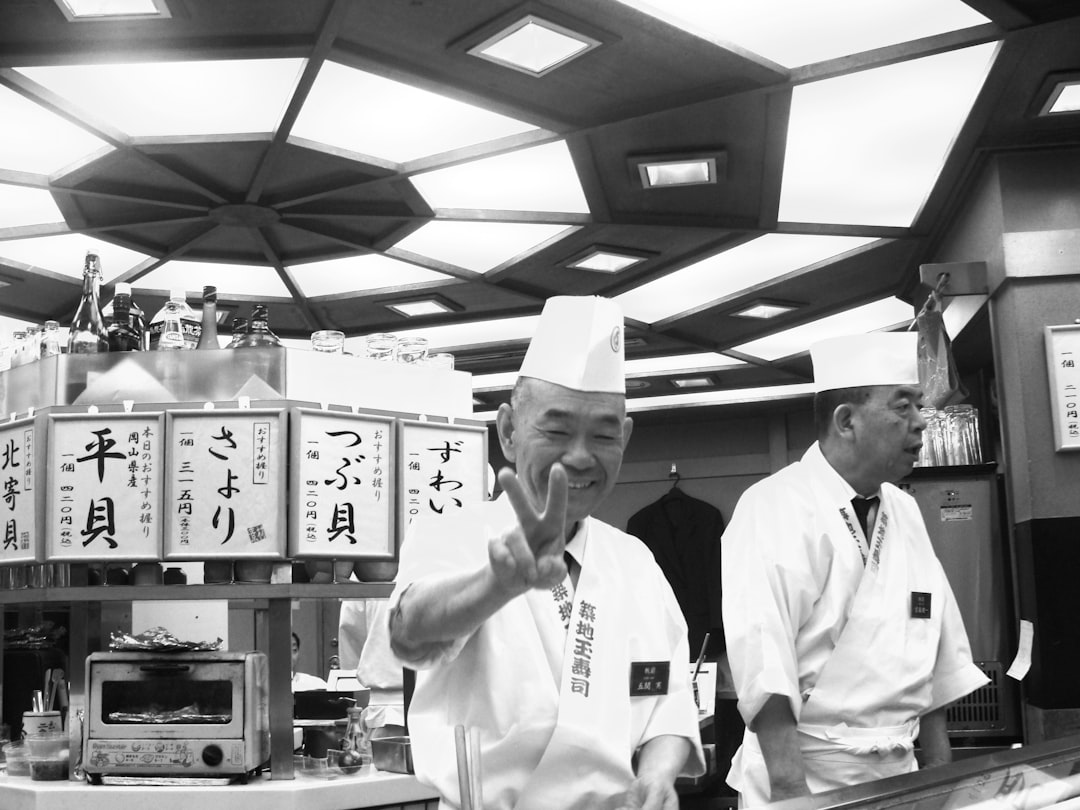

Photo by Hennie Stander on Unsplash
Tokyo is the undisputed global capital of sushi, where centuries-old traditions meet cutting-edge culinary innovation. For food enthusiasts seeking an authentic sushi experience in Tokyo, the city offers everything from legendary three-Michelin-starred establishments to hidden neighborhood gems that have been perfecting their craft for generations.
Finding truly authentic sushi in Tokyo goes far beyond just locating the most expensive restaurant or following tourist guides. It’s about understanding the culture, respecting the traditions, and knowing where locals actually go to experience the art of sushi at its finest.
What Makes Sushi Authentic in Tokyo
Authentic Tokyo sushi is defined by several key elements that separate it from imitations found elsewhere. The foundation begins with the shari (sushi rice), which must be perfectly seasoned with a precise blend of rice vinegar, sugar, and salt, then maintained at body temperature throughout service.
The quality and sourcing of fish is paramount. Authentic sushi restaurants in Tokyo maintain relationships with trusted suppliers at Toyosu Fish Market (formerly Tsukiji) and often have chefs who personally select fish in the early morning hours. The fish is then aged and prepared using traditional techniques that enhance flavor and texture.
Master sushi chefs, or itamae, undergo years of rigorous training, often starting with rice preparation and gradually earning the right to handle fish. This apprenticeship system ensures that traditional techniques are preserved and passed down through generations.
Traditional Preparation Techniques
Authentic sushi preparation involves numerous traditional techniques that have been refined over centuries. The cutting of fish follows specific angles and methods that vary depending on the type of seafood. Kohada (gizzard shad) is marinated in vinegar, while uni (sea urchin) requires delicate handling to maintain its creamy texture.
The rice itself undergoes a careful preparation process. It’s cooked using specific water ratios, then cooled while being mixed with seasoned vinegar using a wooden paddle and fanning technique that gives each grain the perfect texture and temperature.
Types of Authentic Sushi Restaurants in Tokyo
Tokyo’s sushi landscape includes several distinct categories, each offering different levels of authenticity and experience.
High-End Omakase Establishments
These represent the pinnacle of sushi artistry, where master chefs create personalized tasting experiences. Restaurants like Sukiyabashi Jiro, Kyubei, and Sawada have earned international recognition while maintaining traditional approaches. Omakase, meaning “I trust you,” allows the chef to showcase seasonal specialties and demonstrate their expertise.
These establishments typically require reservations weeks or months in advance and can cost anywhere from 20,000 to 50,000 yen per person. The experience includes interaction with the chef, education about each piece, and access to the finest ingredients available.
Neighborhood Sushi-ya
Local sushi restaurants, or sushi-ya, offer authentic experiences in a more casual setting. These establishments have often served the same neighborhood for decades, building relationships with regular customers and maintaining consistent quality. They provide excellent value while preserving traditional techniques and hospitality.
Standing Sushi Bars
Tachi-gui sushi, or standing sushi bars, offer quick, high-quality sushi at reasonable prices. These venues focus on efficiency while maintaining authenticity, perfect for experiencing quality sushi without the formality of high-end establishments.
Best Areas for Authentic Sushi in Tokyo
Ginza District
Ginza remains Tokyo’s premier destination for luxury sushi experiences. The area houses numerous legendary establishments and continues to attract the city’s most skilled chefs. The concentration of high-end restaurants creates a competitive environment that drives culinary excellence.
Tsukiji and Toyosu Areas
The proximity to Tokyo’s fish markets makes these areas hotspots for incredibly fresh sushi. Many restaurants here open early to serve market workers, offering authentic experiences at reasonable prices with unmatched ingredient quality.
Shibuya and Shinjuku
These bustling districts offer a mix of traditional and modern sushi experiences. Hidden gems can be found in basement levels and small alleys, away from the tourist crowds.
Traditional Neighborhoods
Areas like Asakusa, Kagurazaka, and residential districts often house family-run sushi restaurants that have operated for generations, offering authentic experiences with local atmosphere.
What to Expect During Your Authentic Sushi Experience
Proper Etiquette and Customs
Understanding sushi etiquette enhances the authentic experience. Sit at the counter when possible to interact with the chef and observe the preparation process. Use your hands or chopsticks to eat nigiri, and consume each piece in one bite when possible.
Dip the fish, not the rice, lightly in soy sauce. Wasabi is often already applied by the chef in the perfect amount. Ginger serves as a palate cleanser between different types of fish.
Show respect by arriving on time, following the chef’s recommendations, and avoiding strong perfumes that might interfere with the delicate flavors and aromas.
Seasonal Considerations
Authentic sushi experiences change with the seasons. Spring brings cherry salmon and firefly squid, summer offers eel and sea bream, autumn features sanma (Pacific saury), and winter showcases tuna and yellowtail at their peak.
Understanding these seasonal variations allows you to appreciate the chef’s expertise in selecting and preparing ingredients at their optimal time.
How to Make Reservations and Navigate Language Barriers
Many authentic sushi restaurants require advance reservations, especially for counter seating. Hotel concierges can be invaluable for making reservations at establishments that don’t accept international calls or online bookings.
Some restaurants use reservation services like Omakase or TableCheck that cater to international visitors. However, the most authentic experiences often require personal connections or local assistance.
Learning basic Japanese phrases shows respect and enhances the experience. Key phrases include “omakase onegaishimasu” (please choose for me) and “gochisousama” (thank you for the meal).
Price Ranges and Value Considerations
Authentic sushi in Tokyo spans a wide price range. High-end omakase experiences can cost 30,000-50,000 yen per person, while neighborhood sushi-ya might charge 3,000-8,000 yen for a satisfying meal. Standing sushi bars offer excellent quality for 1,500-3,000 yen.
The value lies not just in the food but in the cultural experience, craftsmanship, and access to ingredients that are often unavailable elsewhere. Consider the experience an investment in understanding Japanese culinary culture.
Beyond the Meal: Understanding Sushi Culture
An authentic sushi experience extends beyond eating. It’s about appreciating the dedication, skill, and cultural significance behind each piece. Master chefs often work 12-hour days, perfecting their craft and maintaining relationships with suppliers.
The concept of shokunin, or artisan craftsmanship, is central to understanding authentic sushi culture. This philosophy emphasizes continuous improvement, attention to detail, and respect for tradition.
Observing the chef’s movements, asking respectful questions, and showing genuine interest in the process enhances the authenticity of your experience while demonstrating cultural appreciation.
Tips for First-Time Visitors
Start with lunch omakase, which often offers better value than dinner while providing the same quality and experience. Arrive with an empty stomach and an open mind, ready to try unfamiliar preparations and seasonal specialties.
Don’t fill up on rice-heavy options early in the meal. Pace yourself and follow the chef’s guidance on progression from lighter to richer flavors.
Consider visiting multiple types of establishments during your Tokyo stay to understand the full spectrum of authentic sushi culture, from luxury experiences to neighborhood favorites.
Tokyo’s authentic sushi scene rewards those who approach it with respect, curiosity, and appreciation for tradition. Whether you’re experiencing omakase at a legendary establishment or discovering a hidden neighborhood gem, the city offers unparalleled opportunities to understand and enjoy sushi in its most authentic form. The key is to embrace the culture, respect the traditions, and allow yourself to be guided by the expertise of Tokyo’s master sushi chefs.