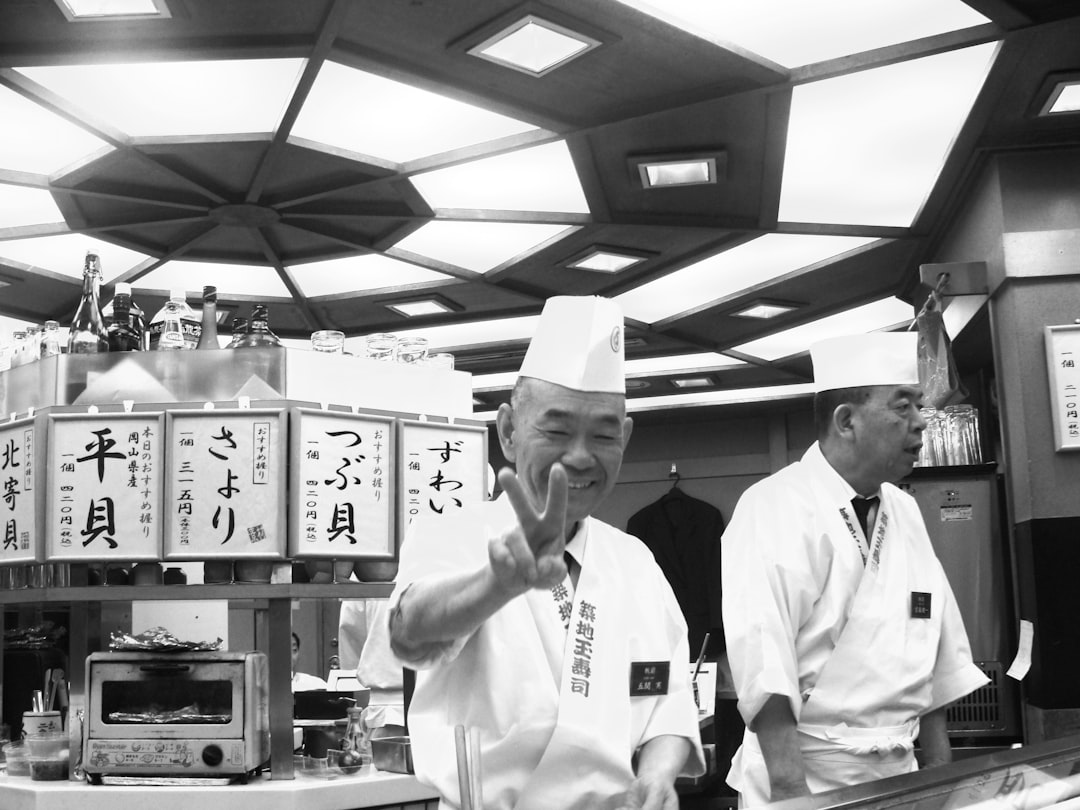

Photo by Hennie Stander on Unsplash
Tokyo stands as the undisputed global capital of sushi, where centuries-old traditions meet unparalleled culinary artistry. For discerning travelers seeking an authentic sushi experience, the Japanese capital offers everything from intimate neighborhood sushi bars to world-renowned establishments that have perfected their craft across generations.
Understanding Authentic Sushi Culture in Tokyo
Authentic sushi in Tokyo extends far beyond the casual conveyor belt restaurants found worldwide. Traditional sushi, known as edomae-zushi, originated in Tokyo during the Edo period and represents a sophisticated dining experience where every element—from rice temperature to fish preparation—has been refined over centuries.
The authentic sushi experience revolves around the relationship between the itamae (sushi chef) and the diner. These master craftsmen spend years, often decades, perfecting their skills, learning to select the finest fish, preparing sushi rice to exact specifications, and understanding the subtle art of timing and presentation.
Types of Authentic Sushi Establishments in Tokyo
Traditional Sushi Counters (Sushi-ya)
The most authentic sushi experience occurs at traditional sushi counters where you sit directly facing the chef. These intimate establishments, often seating fewer than 10 people, allow you to witness the meticulous preparation process while engaging with the master chef.
At these venues, meals typically follow an omakase format, where the chef selects and prepares a progression of sushi pieces based on the day’s finest ingredients. This approach ensures you experience fish at peak freshness while allowing the chef to showcase their expertise and creativity.
Neighborhood Sushi Bars
Tokyo’s residential neighborhoods harbor countless small sushi establishments that serve locals daily. These hidden gems often provide the most authentic experience, where regular customers develop relationships with chefs spanning years or even decades.
These neighborhood spots typically offer both omakase and à la carte options at more accessible prices than high-end establishments, making them perfect for experiencing authentic sushi culture without the formality or expense of luxury venues.
Standing Sushi Bars (Tachi-gui Sushi)
Standing sushi bars represent another authentic Tokyo experience, particularly popular among busy professionals seeking quality sushi during lunch breaks. These establishments focus on speed and efficiency while maintaining high standards for fish quality and rice preparation.
Essential Elements of Authentic Sushi
Superior Fish Selection and Preparation
Authentic Tokyo sushi begins with exceptional fish sourced primarily from Toyosu Market (formerly Tsukiji). Master chefs personally select their fish, often developing relationships with specific vendors to ensure consistent quality.
Traditional preparation techniques include:
- Ike-jime: Immediate fish killing to preserve freshness
- Sujime: Salt and vinegar curing for certain fish types
- Zuke: Marinating tuna in soy-based solutions
- Kobujime: Curing white fish between kelp sheets
Perfect Sushi Rice (Shari)
Authentic sushi rice represents half the equation in perfect sushi. Master chefs prepare shari using specific rice varieties, typically Sasanishiki or Koshihikari, seasoned with carefully balanced rice vinegar, salt, and sugar.
The rice must be served at body temperature, allowing it to complement rather than compete with the fish. Each grain should remain distinct while the rice maintains cohesion, creating the perfect foundation for each piece of fish.
Proper Technique and Timing
Authentic sushi preparation involves precise hand movements developed through years of practice. The chef forms each piece individually, applying exact pressure to create the perfect balance between rice and fish.
Timing plays a crucial role—each piece should be consumed immediately after preparation to experience the intended harmony of temperatures, textures, and flavors.
Best Neighborhoods for Authentic Sushi in Tokyo
Ginza
Ginza houses some of Tokyo’s most prestigious sushi establishments, including several Michelin-starred venues. This upscale district attracts serious sushi enthusiasts willing to invest in once-in-a-lifetime dining experiences.
The area’s sushi restaurants often require reservations weeks or months in advance, particularly for dinner service. However, some establishments offer more accessible lunch menus that provide authentic experiences at reduced prices.
Tsukiji Outer Market Area
Despite the wholesale market’s relocation to Toyosu, the Tsukiji area maintains numerous authentic sushi establishments that originally served market workers. These restaurants continue offering exceptional quality at reasonable prices, making them ideal for experiencing traditional sushi culture.
Many Tsukiji-area sushi bars open early to accommodate market schedules, providing unique opportunities for authentic breakfast sushi experiences.
Shibuya and Shinjuku
These bustling districts offer diverse sushi experiences ranging from high-end establishments to casual neighborhood favorites. The density of options allows visitors to explore different styles and price points while maintaining authenticity.
Residential Areas
Tokyo’s quieter neighborhoods—including Kagurazaka, Nippori, and various shomachi (downtown areas)—harbor authentic sushi establishments frequented primarily by locals. These venues often provide the most genuine cultural experiences.
Sushi Etiquette for Authentic Experiences
Counter Behavior
When dining at authentic sushi counters, observe proper etiquette to show respect for the chef and tradition:
- Avoid strong perfumes or cologne that might interfere with aroma appreciation
- Keep conversations quiet and respectful
- Watch the chef work without excessive photography
- Follow the pace set by the chef during omakase service
Eating Techniques
Traditional sushi consumption involves specific techniques:
- Use your hands or chopsticks—both are acceptable
- Eat each piece in one bite when possible
- Dip fish-side down into soy sauce, avoiding rice contact
- Consume immediately after receiving each piece
- Use pickled ginger as a palate cleanser between different fish types
Seasonal Considerations for Authentic Sushi
Authentic Tokyo sushi experiences change dramatically with seasons, reflecting Japan’s deep connection to natural cycles. Understanding seasonal fish varieties enhances appreciation for the chef’s expertise and ingredient selection.
Spring brings kohada (gizzard shad) and various shellfish, while summer features aji (horse mackerel) and iwashi (sardine). Autumn showcases sanma (pacific saury) and various salmon varieties, while winter highlights fugu (pufferfish) and premium tuna cuts.
Budget Considerations for Authentic Experiences
Authentic sushi in Tokyo spans enormous price ranges, from accessible neighborhood establishments to ultra-luxury dining experiences costing hundreds of dollars per person.
Budget-conscious travelers can experience authentic sushi through:
- Lunch sets at high-end establishments
- Neighborhood sushi bars in residential areas
- Standing sushi bars near train stations
- Outer market establishments with historical connections
Making Reservations and Language Considerations
Many authentic sushi establishments require advance reservations, particularly for dinner service. High-end venues may require reservations through hotel concierges or Japanese speakers.
Language barriers exist at many authentic establishments, but this shouldn’t deter serious sushi enthusiasts. Basic Japanese phrases, pointing at menu items, or simply saying “omakase onegaishimasu” (please decide for me) often suffices.
Beyond the Meal: Understanding Sushi Culture
Authentic sushi experiences extend beyond food consumption to cultural appreciation. Many establishments display traditional craftsmanship through knife work, wooden fixtures, and ceramic serving pieces that reflect centuries of artistic development.
The relationship between chef and diner represents a fundamental aspect of Japanese hospitality (omotenashi), where the chef takes personal responsibility for creating memorable experiences tailored to each guest’s preferences and dietary requirements.
Understanding this cultural context transforms a simple meal into a window into Japanese values of perfection, respect for ingredients, and dedication to craft that defines authentic sushi culture in Tokyo.
For travelers seeking genuine cultural experiences, Tokyo’s authentic sushi establishments provide unparalleled opportunities to witness master craftsmanship while experiencing flavors impossible to recreate elsewhere. Whether choosing intimate counter dining or neighborhood gems, the city’s sushi culture represents one of the world’s most refined culinary traditions.