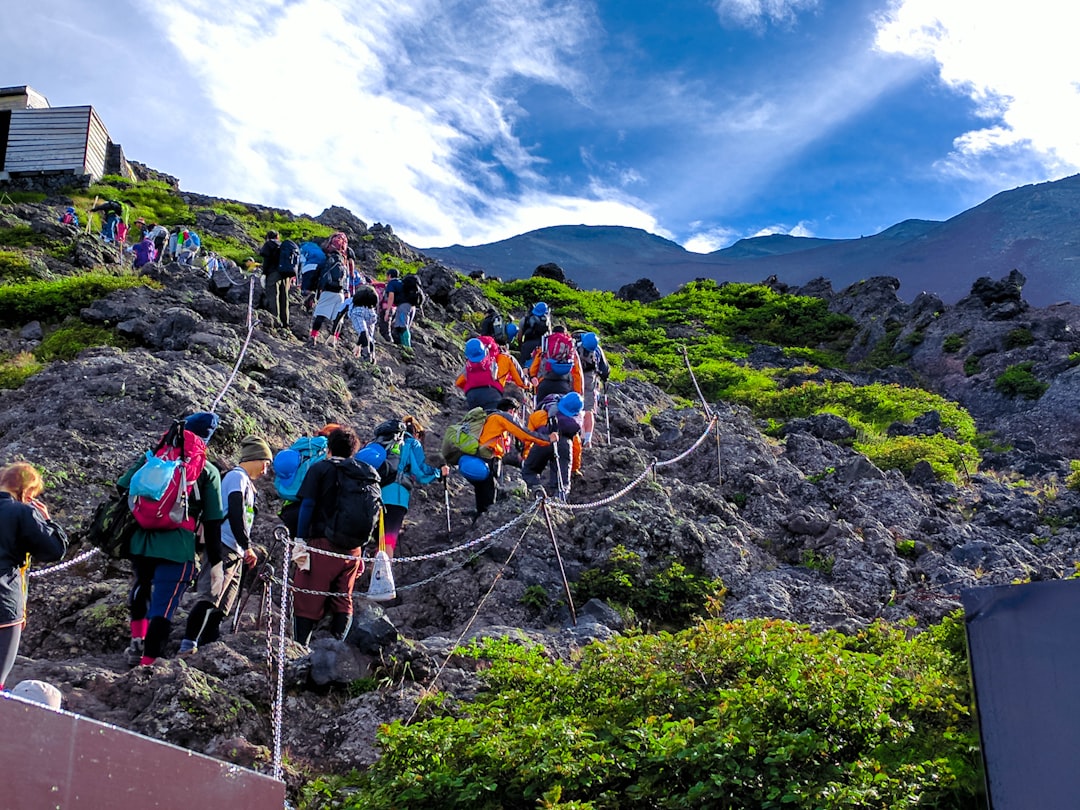

Photo by Ryan on Unsplash
Mount Fuji, Japan’s most iconic peak and highest mountain at 3,776 meters, attracts hundreds of thousands of climbers each year. For first-time hikers, conquering this sacred mountain can seem daunting, but with proper preparation and knowledge, beginners can successfully reach the summit and experience the breathtaking sunrise from Japan’s rooftop.
Understanding Mount Fuji’s Climbing Season
Mount Fuji’s official climbing season runs from early July to mid-September, with slight variations depending on weather conditions. During this period, mountain huts are open, trails are well-maintained, and rescue services are fully operational. Attempting to climb outside this season is extremely dangerous due to harsh weather, ice, and closed facilities.
The peak climbing months are July and August, when weather conditions are most favorable. However, these months also see the heaviest crowds. For beginners seeking a balance between good conditions and fewer crowds, late July or early September offer excellent opportunities.
Choosing the Right Trail for Beginners
Yoshida Trail (Most Recommended for First-Timers)
The Yoshida Trail is the most popular and beginner-friendly route, accounting for about 60% of all climbers. Starting from Kawaguchi-ko 5th Station at 2,305 meters elevation, this trail offers the best infrastructure with numerous mountain huts, rest stations, and clear signage.
Key features of the Yoshida Trail include:
- Well-maintained path with clear markers
- Multiple mountain huts for rest and emergency shelter
- Separate descent route reducing congestion
- Easy access via public transportation
- Estimated climbing time: 6-8 hours to summit, 3-4 hours descent
Other Trail Options
While the Yoshida Trail is ideal for beginners, other trails include Subashiri, Gotemba, and Fujinomiya. These routes are more challenging and less crowded but require greater hiking experience and preparation.
Essential Gear and Equipment
Proper equipment is crucial for a safe and comfortable Mount Fuji climb. Here’s your complete packing checklist:
Clothing and Footwear
- Hiking boots: Waterproof, ankle-supporting boots with good grip
- Layered clothing: Base layer, insulating mid-layer, and waterproof outer shell
- Rain gear: High-quality rain jacket and pants
- Warm hat and gloves: Temperatures can drop below freezing at the summit
- Extra socks and underwear: Moisture-wicking materials preferred
- Gaiters: Protect against volcanic ash and small rocks
Safety and Navigation
- Headlamp: Essential for early morning summit attempts
- Backup flashlight: Always carry redundant lighting
- First aid kit: Include altitude sickness medication
- Whistle: For emergency signaling
- Portable phone charger: Keep communication devices powered
Sustenance and Hydration
- Water bottles: Minimum 2-3 liters per person
- High-energy snacks: Trail mix, energy bars, chocolate
- Electrolyte supplements: Combat dehydration and altitude effects
- Warm beverages: Thermos with hot tea or coffee
Physical Preparation and Training
Mount Fuji climbing requires moderate to good physical fitness. Begin preparing at least 6-8 weeks before your climb with a structured training program.
Recommended Training Activities
- Cardio training: Running, cycling, or swimming 3-4 times weekly
- Stair climbing: Build leg strength and endurance
- Hiking practice: Start with shorter hikes and gradually increase distance
- Leg strengthening: Squats, lunges, and calf raises
- Walking with weighted backpack: Simulate climbing conditions
Altitude Acclimatization
Mount Fuji’s elevation can cause altitude sickness in some climbers. Arrive in the area a day early to acclimatize, stay hydrated, and ascend slowly. Watch for symptoms like headaches, nausea, or dizziness, and descend immediately if conditions worsen.
Planning Your Climb Schedule
Popular Climbing Strategies
Bullet Climbing (Day Trip): Start very early morning and complete the round trip in one day. This option saves money but is physically demanding and offers limited summit time.
Station Rest Method: Climb to 7th or 8th station, rest overnight in a mountain hut, then summit early morning for sunrise. This approach is more expensive but less strenuous and provides better summit experience.
Optimal Timing
Most climbers aim to reach the summit for sunrise (around 4:30-5:00 AM during climbing season). Plan your departure time accordingly:
- Bullet climb: Start around 10:00 PM-midnight
- With overnight stay: Reach mountain hut by evening, depart around 1:00-2:00 AM
Transportation and Access
Reaching Mount Fuji’s 5th Station starting points is straightforward from Tokyo or other major cities.
Getting to Kawaguchi-ko 5th Station (Yoshida Trail)
- From Tokyo: Take JR Chuo Line to Otsuki, transfer to Fujikyu Railway to Kawaguchi-ko Station
- Bus service: Direct buses from Shinjuku, Tokyo Station, and Kawaguchi-ko Station to 5th Station
- Private car: Parking available but fills up quickly during peak season
Safety Tips and Best Practices
Weather Awareness
Mountain weather changes rapidly. Check forecasts before departing and be prepared to turn back if conditions deteriorate. Avoid climbing during typhoon season warnings or severe weather alerts.
Group Climbing Benefits
Climbing with experienced partners or joining guided groups provides safety benefits, especially for beginners. Many tour companies offer beginner-friendly Mount Fuji climbing packages.
Emergency Preparedness
- Inform others of your climbing plan and expected return
- Carry emergency contact information
- Know the locations of mountain rescue stations
- Download offline maps to your smartphone
- Consider travel insurance covering mountain rescue
Cultural Considerations and Etiquette
Mount Fuji holds deep spiritual significance in Japanese culture. Respect the mountain and fellow climbers by following these guidelines:
- Pack out all trash and leave no trace
- Stay on designated trails to prevent erosion
- Be courteous to other climbers, especially during crowded periods
- Respect mountain hut rules and other guests
- Consider purchasing a climbing stick and collecting station stamps as souvenirs
Post-Climb Recovery
After successfully summiting Mount Fuji, proper recovery ensures you can fully enjoy the accomplishment:
- Rehydrate thoroughly and eat nutritious meals
- Rest and allow your body to recover
- Take care of any blisters or minor injuries
- Celebrate your achievement responsibly
Conclusion
Climbing Mount Fuji as a beginner is an achievable and rewarding goal with proper preparation, appropriate gear, and realistic expectations. The experience of standing atop Japan’s highest peak, watching the sunrise paint the landscape below, creates memories that last a lifetime. Remember that reaching the summit is only half the journey – a safe descent is equally important. With these comprehensive tips and thorough preparation, your Mount Fuji adventure will be both safe and unforgettable.