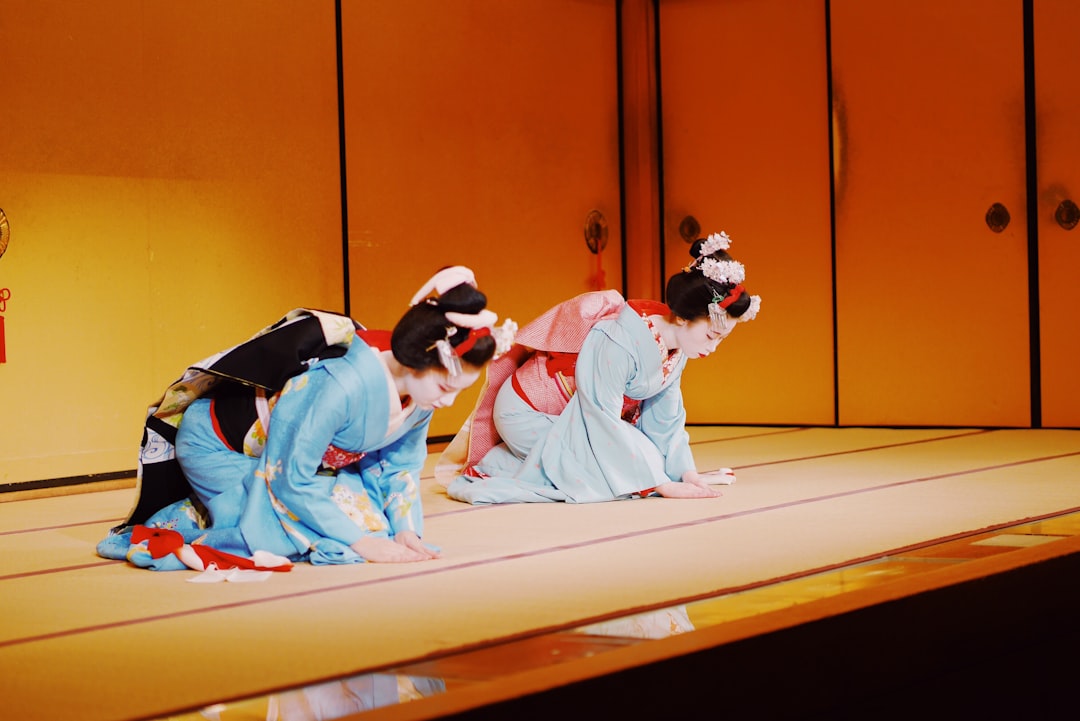

Photo by wang xi on Unsplash
Traveling to Japan in 2026 offers an incredible opportunity to experience one of the world’s most culturally rich and respectful societies. Understanding Japanese etiquette isn’t just about following rules—it’s about showing respect for a culture that values harmony, consideration, and social order above all else. Whether you’re visiting bustling Tokyo, ancient Kyoto, or rural countryside areas, knowing proper Japanese manners will enhance your travel experience and help you connect meaningfully with locals.
Essential Greeting and Social Etiquette
The foundation of Japanese social interaction lies in proper greetings and respectful behavior. When meeting someone, a slight bow is the traditional greeting, though many Japanese people are comfortable with handshakes when interacting with foreigners. The depth of your bow should match the situation—a casual 15-degree bow suffices for everyday interactions, while deeper bows show greater respect for elders or formal situations.
Always use both hands when exchanging business cards, money, or gifts. This gesture, called “ryōte,” demonstrates respect and attention. When receiving something, take a moment to examine it respectfully before putting it away. If someone gives you their business card, never write on it or stuff it carelessly into your pocket—treat it as an extension of the person themselves.
Personal space is highly valued in Japan. Avoid touching strangers, pointing directly at people, and speaking loudly in public spaces. Japanese communication often relies on subtle cues and reading the atmosphere, known as “kuuki o yomu.” Pay attention to non-verbal signals and maintain a calm, respectful demeanor in all interactions.
Public Transportation Etiquette
Japan’s efficient public transportation system operates on strict etiquette rules that ensure smooth travel for millions of daily commuters. As of 2026, foreign visitors can easily use IC cards like Suica and Pasmo, which are now fully compatible with international credit cards and mobile payment systems, making travel more convenient than ever.
When boarding trains or subways, always wait for passengers to exit before entering. Stand to the right on escalators, leaving the left side open for people in a hurry. On the train, keep conversations to a minimum and use headphones at low volumes. Phone calls are strictly prohibited—switch your phone to silent mode and avoid answering calls during your journey.
Priority seats, marked with different colored upholstery, are reserved for elderly passengers, pregnant women, people with disabilities, and those carrying small children. Even if these seats appear empty, think twice before sitting, especially during rush hours. If you’re seated in a regular seat and notice someone who needs it more, quietly offer your seat with a gentle gesture.
Eating and drinking on local trains is generally discouraged, though it’s acceptable on long-distance trains like the Shinkansen. Keep your belongings compact and avoid taking up extra seats with bags or luggage. The JR Pass, while more expensive since the October 2023 price increase, remains valuable for extensive travel, but remember that pass holders should still follow all etiquette rules.
Dining Etiquette and Restaurant Manners
Japanese dining etiquette is intricate and deeply meaningful, reflecting centuries of cultural refinement. Before eating, say “itadakimasu” (I humbly receive) and “gochisousama deshita” (thank you for the meal) after finishing. These phrases show gratitude to everyone involved in bringing the food to your table.
Chopstick etiquette is particularly important. Never stick chopsticks upright in rice, as this resembles incense at funerals. Don’t pass food directly from your chopsticks to someone else’s, point with chopsticks, or use them to move dishes around the table. When not actively eating, rest your chopsticks on the provided holder or beside your bowl.
In traditional restaurants, you might encounter tatami mat seating. Remove your shoes before stepping onto tatami, and sit in seiza (kneeling) position or cross-legged if you’re more comfortable. Many establishments now provide chairs for foreign guests, but knowing proper tatami etiquette shows cultural awareness.
Tipping is not customary in Japan and can actually be considered insulting. Exceptional service is expected as standard, and showing appreciation through words and respectful behavior is more appropriate than monetary tips. If you want to show extra gratitude, a small gift from your home country is more culturally appropriate.
When drinking alcohol, never pour your own drink—wait for others to fill your glass and reciprocate by filling theirs. This practice, called “oshaku,” builds social bonds and shows consideration for others. If you don’t drink alcohol, simply place your hand over the glass and politely decline.
Temple and Shrine Etiquette
Visiting Japan’s thousands of temples and shrines requires understanding sacred space etiquette. At shrine entrances, bow before passing through the torii gate, and avoid walking directly down the center path, which is reserved for kami (Shinto deities). Walk slightly to the left or right instead.
The purification ritual at the water basin (temizuya) is essential before approaching the main shrine. Use the provided ladle to rinse your left hand, then your right hand, then rinse your mouth (don’t drink the water or touch the ladle to your lips). This cleansing prepares you spiritually for prayer.
When praying at shrines, follow the “two bows, two claps, one bow” sequence: bow twice deeply, clap your hands twice, make your prayer silently, then bow once more. At Buddhist temples, the etiquette differs—bow quietly without clapping, as clapping is specific to Shinto shrines.
Photography rules vary by location. Many temples and shrines allow exterior photography but prohibit photos inside main halls or of sacred objects. Always look for signs or ask permission before taking photos. When in doubt, observe other visitors’ behavior or ask staff politely.
Dress modestly when visiting religious sites. Cover shoulders and knees, remove hats, and avoid loud colors or revealing clothing. Some temples may require removing shoes before entering certain buildings—follow posted instructions and observe what others are doing.
Shopping and Business Etiquette
Japanese shopping culture emphasizes respect, patience, and appreciation for craftsmanship. In traditional shops, greet the shopkeeper with “irasshaimase” (welcome) when you enter—though you don’t need to respond, a small nod acknowledges their greeting politely.
Handle merchandise carefully, especially in craft shops or traditional stores. Many items represent hours of skilled work, and rough handling is disrespectful. If you’re browsing without immediate intention to buy, it’s perfectly acceptable, but avoid disrupting displays or handling fragile items unnecessarily.
As of 2026, Japan’s consumption tax remains at 10%, and tax-free shopping is available for foreign tourists on purchases over ¥5,000 at participating stores. Bring your passport for tax-free purchases, as retailers must verify your tourist status. The tax-free system has become more streamlined with digital processes, making it easier for travelers to save money on souvenirs and goods.
In department stores and larger shops, staff provide exceptional service that might seem overwhelming to foreign visitors. Allow staff to help you, and show appreciation for their attention. When making purchases, place money in the small tray provided rather than handing it directly to the cashier—this practice maintains cleanliness and shows respect.
Gift wrapping is an art form in Japan, and most stores offer beautiful packaging even for small purchases. Accept this service graciously, as presentation is as important as the gift itself in Japanese culture. The meticulous wrapping reflects the store’s commitment to excellence and your recipient’s importance.
Hotel and Accommodation Etiquette
Whether staying in traditional ryokan or modern hotels, accommodation etiquette helps ensure a pleasant experience for everyone. In ryokan, embrace traditional customs like wearing provided yukata robes and following onsen (hot spring) protocols. Remove shoes when entering tatami areas and be mindful of noise levels, as traditional buildings have thin walls.
Onsen etiquette is particularly important if your accommodation includes hot springs. Wash thoroughly before entering the baths, keep towels out of the water, and maintain quiet, respectful behavior. Many onsen have specific rules about tattoos—check policies beforehand, as some establishments may restrict entry for heavily tattooed guests.
In all accommodations, keep noise levels low, especially during evening and early morning hours. Japanese hotels often have excellent soundproofing, but common areas and hallways require considerate behavior. Remove shoes when entering rooms if slippers are provided, and use bathroom slippers specifically for toilet areas.
Hotel staff in Japan provide incredibly attentive service. Show appreciation through polite behavior rather than tips. If you need assistance, approach staff politely and be patient if there are language barriers—many hotels have improved their English support for the 2026 travel season, but understanding and patience remain important.
Technology and Communication Etiquette
Japan’s relationship with technology includes specific etiquette rules that foreign travelers should understand. While Japan is incredibly tech-forward, public technology use follows strict social guidelines. Keep phone conversations private and brief in public spaces, and avoid taking calls on public transportation entirely.
When taking photos, be extremely mindful of privacy and consent. Never photograph people without permission, especially in traditional settings or rural areas. Many Japanese people prefer not to appear in tourist photos, so use discretion and ask politely when appropriate.
WiFi etiquette in cafes and public spaces involves being considerate of other users and establishment policies. Don’t monopolize seats during busy periods just for internet access, and purchase items if you’re using a cafe’s WiFi for extended periods. As of 2026, Japan has significantly expanded public WiFi access, making connectivity easier while maintaining respectful usage expectations.
Cultural Sensitivity and Final Tips
Understanding Japanese etiquette goes beyond following rules—it’s about appreciating the cultural values of respect, harmony, and consideration for others. Japanese society operates on the principle of not causing trouble for others (“meiwaku o kakenai”), which should guide all your interactions during your visit.
Learn basic Japanese phrases beyond “arigatou gozaimasu.” Simple expressions like “sumimasen” (excuse me/sorry), “onegaishimasu” (please), and “gomen nasai” (I’m sorry) show effort to communicate respectfully. Japanese people greatly appreciate when foreigners attempt to use their language, even imperfectly.
Be patient with cultural differences and avoid making comparisons between Japan and your home country in public conversations. Each culture has its strengths, and showing appreciation for Japanese ways of doing things demonstrates respect and openness to learning.
Remember that etiquette rules exist to create harmony and ensure everyone can enjoy their experience, whether they’re local residents or fellow travelers. By following these guidelines and approaching each situation with respect and awareness, you’ll not only avoid cultural missteps but also gain deeper appreciation for Japan’s rich cultural heritage.
As you plan your 2026 journey to Japan, remember that perfect etiquette isn’t expected from foreign visitors—sincere effort and respectful intentions matter more than flawless execution. Japanese people are generally understanding of cultural differences and will appreciate your attempts to honor their customs and traditions.