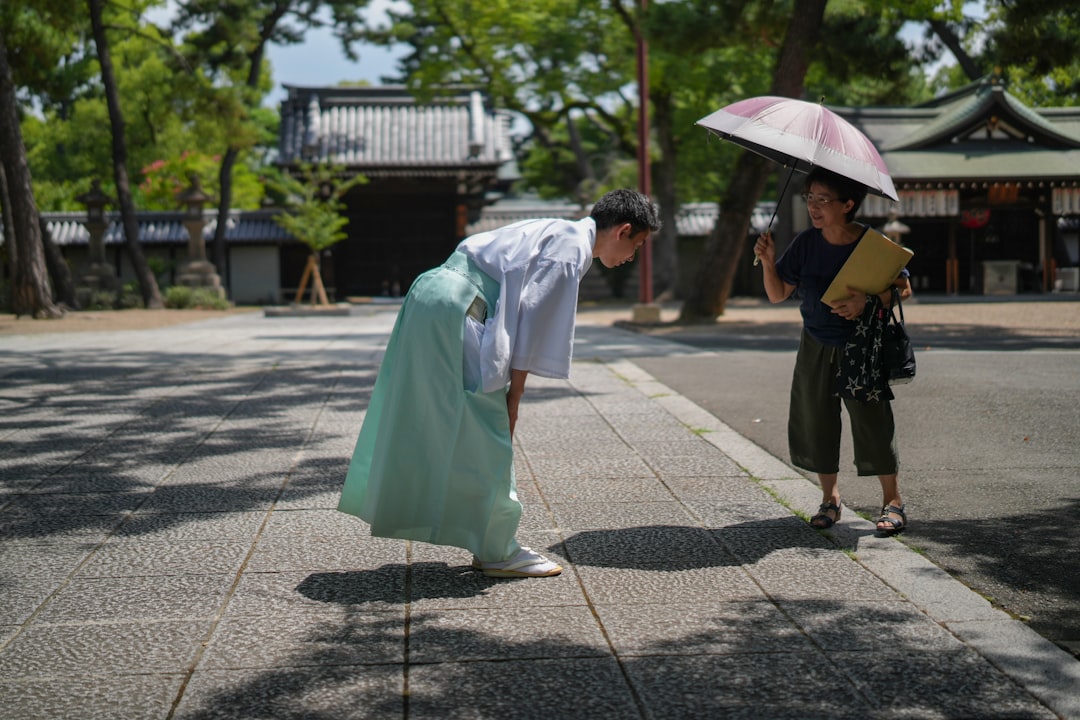

Photo by Buddy AN on Unsplash
Traveling to Japan in 2026 requires more than just packing your bags and booking flights—understanding Japanese etiquette is essential for showing respect and ensuring a smooth, enjoyable journey. Japanese culture places tremendous emphasis on harmony, respect, and consideration for others, making proper etiquette knowledge crucial for international visitors navigating this fascinating country.
Whether you’re planning your first trip to Japan or returning after the country’s recent tourism infrastructure updates, this comprehensive guide will help you navigate social situations with confidence and cultural sensitivity throughout your 2026 adventure.
Essential Greetings and Basic Interactions
Japanese greetings form the foundation of respectful interactions. The traditional bow (ojigi) remains the most respectful greeting, though handshakes are increasingly accepted in tourist areas. When bowing, keep your hands at your sides, bend from the waist, and maintain eye contact before lowering your head.
Common phrases every traveler should know include “arigatou gozaimasu” (thank you very much), “sumimasen” (excuse me/sorry), and “onegaishimasu” (please). These expressions demonstrate your effort to communicate respectfully and are greatly appreciated by locals.
When receiving business cards or important documents, use both hands and take a moment to read the information before carefully storing it. Never write on a business card or place it in your back pocket, as this shows disrespect.
Public Transportation Etiquette in 2026
Japan’s efficient transportation system operates on strict social protocols that ensure comfort for millions of daily commuters. With the latest IC card updates as of 2026, foreign visitors can now use international contactless payment methods on most Suica and Pasmo systems, making transit more convenient than ever.
On trains and buses, maintain silence or speak in hushed tones. Phone calls are prohibited on public transport, so switch your device to silent mode. Priority seats (yuusenseki) are reserved for elderly passengers, pregnant women, people with disabilities, and those carrying small children—always offer your seat when appropriate.
When boarding, allow passengers to exit first, then queue orderly. During rush hours, remove your backpack and carry it in front of you to avoid accidentally hitting other passengers. If carrying luggage, be mindful of space constraints and consider using designated luggage areas when available.
Dining Etiquette and Restaurant Manners
Japanese dining culture encompasses intricate customs that enhance the culinary experience. Before eating, say “itadakimasu” (I humbly receive) and “gochisousama” (thank you for the meal) when finished. These phrases express gratitude to everyone involved in bringing food to your table.
Chopstick etiquette requires special attention. Never stick chopsticks vertically into rice, as this resembles incense at funerals. Avoid pointing with chopsticks, passing food directly between chopsticks, or using them to move dishes around the table. When not in use, place chopsticks on the provided rest or parallel across your bowl.
Slurping noodles is not only acceptable but encouraged, as it shows appreciation and helps cool the food. However, slurping other foods or beverages is considered inappropriate. When dining in groups, pour drinks for others rather than yourself—this gesture demonstrates consideration and builds social bonds.
Tipping remains unnecessary in Japan and can even cause confusion or offense. Exceptional service is considered standard, and workers take pride in their professionalism without expecting additional compensation.
Shopping and Service Interactions
Japanese customer service sets global standards for politeness and efficiency. Store employees will bow and use honorific language, so respond with equal courtesy. When receiving change, use both hands to accept money and receipts.
For tax-free shopping in 2026, the consumption tax remains at 10%, and eligible purchases over ¥5,000 can qualify for tax exemption at participating stores. Always carry your passport when shopping, as stores require verification for tax-free transactions. Remember that tax-free items must be taken out of Japan within 30 days of purchase.
Avoid touching merchandise excessively unless you’re seriously considering a purchase. Many items, especially traditional crafts or clothing, are meant to be admired visually first. If you need assistance, approach staff politely and remember that not all employees speak English fluently—patience and simple communication work best.
Temple and Shrine Etiquette
Religious sites require heightened respect and specific behavioral protocols. At shrine entrances, bow slightly before passing through the torii gate, and avoid walking directly down the center path, which is reserved for kami (deities). Walk slightly to the left or right instead.
Before approaching the main hall, purify yourself at the temizuya (water basin). Use the ladle to rinse your left hand, then your right hand, rinse your mouth (don’t drink the water), and clean the ladle handle. This ritual demonstrates respect for the sacred space.
Photography policies vary by location, so look for signs or ask permission before taking pictures. Many temples prohibit flash photography or pictures in certain areas. When making offerings or prayers, observe others first and follow their lead—throw coins gently into the offering box, bow twice, clap twice, make your wish, then bow once more.
Dress modestly when visiting religious sites. Avoid revealing clothing, loud colors, or inappropriate footwear. Some temples may require removing shoes, so wear easily removable footwear and clean socks.
Hot Spring (Onsen) and Public Bath Etiquette
Onsen experiences offer profound relaxation but require strict adherence to cleanliness protocols. Always shower thoroughly before entering any bath, washing your entire body with soap and rinsing completely. Bring a small towel for washing and a larger towel for drying, but never let towels touch the bath water.
Onsen are typically gender-segregated, and tattoos may still restrict access at traditional establishments, though some facilities have become more accepting as of 2026. Check policies in advance or look for tattoo-friendly onsen if this applies to you.
Enter the water slowly and quietly—avoid splashing or making noise that might disturb other bathers. Keep conversations quiet and respectful. Never bring soap, shampoo, or towels into the actual bath area; use only the washing stations around the perimeter.
Hair should be tied up to prevent it from touching the water, and remove all jewelry before bathing. The experience should be meditative and relaxing, so maintain a calm, respectful atmosphere throughout your visit.
Business and Formal Interactions
Professional interactions in Japan follow hierarchical structures and formal protocols. Punctuality is absolutely essential—arrive 5-10 minutes early for any appointment. Being late without prior notification shows significant disrespect and can damage relationships.
Dress conservatively in business settings, favoring dark colors and conservative styles. Remove hats and sunglasses when indoors, and ensure your appearance is neat and professional. Business cards (meishi) exchanges follow specific rituals—present and receive with both hands, study the card briefly, and place it respectfully on the table during meetings.
Hierarchy matters significantly in Japanese business culture. Allow senior members to speak first, enter rooms first, and take seats first. When uncertain about protocol, observe others or ask quietly for guidance rather than assuming Western practices apply.
Digital Etiquette and Technology Use
Smartphone and technology use in Japan follows social consideration principles. Keep phones on silent mode in public spaces, particularly on transportation. Taking photos of strangers without permission is inappropriate and potentially illegal in certain circumstances.
Free WiFi has expanded significantly across Japan by 2026, but always respect usage policies and avoid bandwidth-heavy activities in crowded areas. When using translation apps or navigation tools, be discreet and avoid blocking walkways while consulting your device.
QR code payments and digital transactions have become more prevalent, but cash remains important for smaller establishments. Always have physical yen available, as not all locations accept foreign cards or digital payment methods.
Gift-Giving and Omiyage Culture
Gift-giving (omiyage) represents an important social custom, especially when visiting someone’s home or workplace. Bring regional specialties from your home country or purchase local gifts during your travels to share with new acquaintances.
Present gifts with both hands and include a brief explanation of their significance. Recipients typically don’t open gifts immediately in front of the giver, so don’t expect immediate reactions. Wrap gifts appropriately or purchase items that come in attractive packaging.
When receiving gifts, accept graciously with both hands and express sincere gratitude. The thought behind the gift matters more than its monetary value, reflecting the consideration and respect between individuals.
Seasonal Considerations and Cultural Awareness
Japanese society operates according to seasonal rhythms and cultural events that may affect travel experiences. Cherry blossom season, Golden Week, Obon, and New Year periods bring specific customs and crowded conditions that require additional patience and planning.
Respect local customs during festivals and celebrations by observing rather than disrupting traditional activities. Ask permission before participating in cultural events, and follow guidance from organizers or local participants.
Weather-appropriate clothing shows cultural awareness—carry umbrellas during rainy season, dress appropriately for seasonal temperatures, and consider how your clothing choices might affect your ability to participate in various activities.
Final Tips for Respectful Travel
Remember that cultural learning continues throughout your journey. When uncertain about appropriate behavior, observe locals, ask politely for guidance, or err on the side of extra formality rather than casual familiarity.
Apologizing when you make mistakes shows humility and respect for cultural differences. Most Japanese people appreciate visitors’ efforts to follow local customs, even when execution isn’t perfect. Your sincere attempt to show respect matters more than flawless adherence to every protocol.
As of 2026, Japan continues welcoming international visitors while maintaining strong cultural traditions. By following these etiquette guidelines, you’ll demonstrate respect for Japanese culture while ensuring meaningful, positive interactions throughout your travels. Remember to verify specific requirements with official sources before your departure, as some policies may continue evolving with changing circumstances.