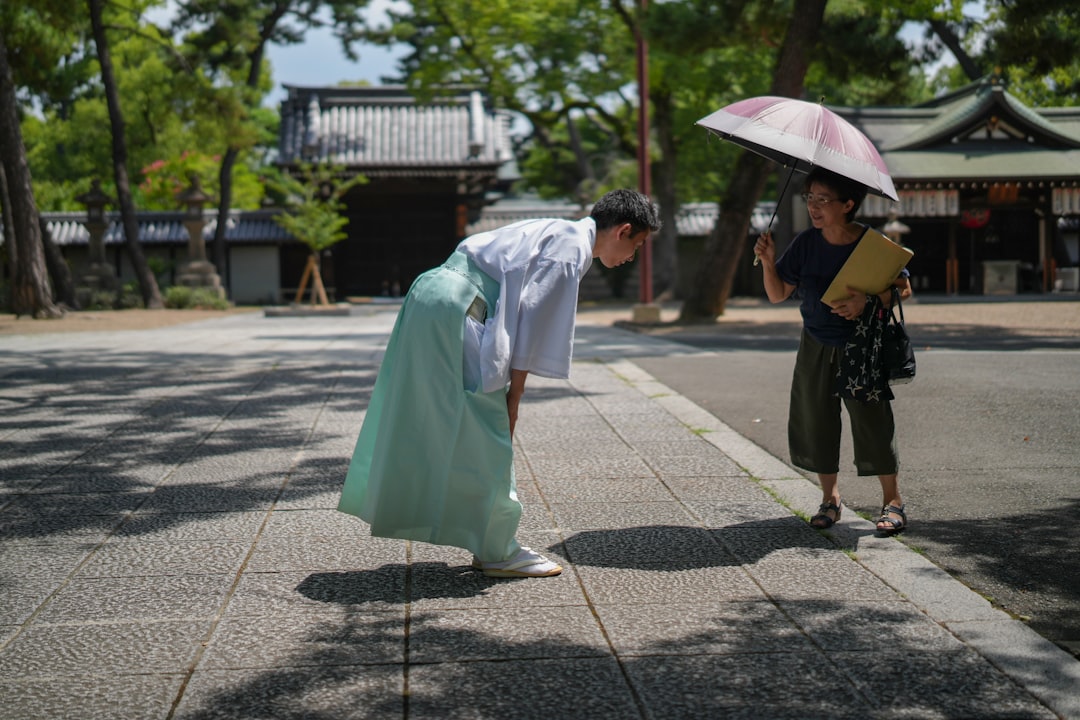

Photo by Buddy AN on Unsplash
Navigating Japanese etiquette as a foreign traveler in 2026 has become more important than ever, as Japan continues to welcome record numbers of international visitors post-pandemic. Understanding and respecting local customs isn’t just about being polite—it’s about showing appreciation for one of the world’s most refined cultures and ensuring you have meaningful interactions during your journey.
Japan’s emphasis on harmony, respect, and consideration for others permeates every aspect of daily life. While Japanese people are generally understanding of cultural differences, making an effort to follow local etiquette will enhance your travel experience and leave a positive impression on the people you meet.
Essential Bowing Etiquette and Greetings
Bowing remains the cornerstone of Japanese social interaction in 2026, despite increased Western influence. As a traveler, you don’t need to master every nuance, but understanding the basics will serve you well.
Basic Bowing Guidelines
A slight bow of 15 degrees is appropriate for most casual encounters, such as greeting shop staff or thanking service workers. Keep your hands at your sides, back straight, and eyes looking down. For more formal situations like meeting business contacts or being introduced to someone important, a deeper bow of 30 degrees shows proper respect.
Don’t worry about perfect execution—the effort is what matters most. Many younger Japanese people, especially in tourist areas, may offer handshakes instead, but a polite bow is always appreciated.
Common Greetings
- Ohayou gozaimasu – Good morning (formal)
- Konnichiwa – Hello/Good afternoon
- Konbanwa – Good evening
- Arigatou gozaimasu – Thank you very much
- Sumimasen – Excuse me/Sorry
Public Transportation Etiquette
Japan’s public transportation system is a marvel of efficiency, and following proper etiquette helps maintain this reputation. As of 2026, foreign visitors can easily use IC cards like Suica and Pasmo, which now offer better compatibility with international credit cards for top-ups.
Train and Subway Manners
Always queue in designated areas and allow passengers to exit before boarding. Once inside, move to the center of the car to make room for others. Keep conversations quiet—loud talking is considered inconsiderate. Phone calls are strictly prohibited on trains, and your phone should be set to silent mode.
Priority seats (marked in different colors) are reserved for elderly passengers, pregnant women, and people with disabilities. Even if these seats appear empty, avoid using them during busy periods unless truly necessary.
When carrying large luggage, be mindful of space. If using the JR Pass (which saw price increases in late 2023 but remains valuable for extensive travel), remember that reserved seats are recommended for long-distance journeys with luggage.
Platform Etiquette
Stand on the left side of escalators (except in Osaka, where you stand on the right) to allow others to pass. Wait for trains to come to a complete stop before approaching doors, and step aside if you’re near the doors but not exiting at that station.
Dining Etiquette and Restaurant Manners
Japanese dining culture is rich with traditions that enhance the culinary experience. Understanding these customs shows respect for both the food and the people serving it.
Before and After Meals
Say “Itadakimasu” (pronounced ee-tah-dah-key-moss) before eating, which expresses gratitude for the meal. After finishing, say “Gochisousama deshita” (go-chee-so-sama desh-tah) to thank those who prepared the food.
Chopstick Etiquette
Never stick chopsticks upright in rice, as this resembles incense offerings at funerals. Don’t pass food directly from your chopsticks to someone else’s, and avoid pointing with chopsticks or using them to move dishes around the table.
When not in use, place chopsticks on the provided rest (hashioki) or lay them parallel across your bowl or plate. If sharing dishes, use the serving chopsticks provided or flip your chopsticks around to use the clean end.
Slurping and Sound Etiquette
Contrary to Western dining customs, slurping noodles is not only acceptable but encouraged in Japan. It helps cool the noodles and is believed to enhance flavor. However, avoid making excessive noise when eating other foods.
Payment and Tipping
Tipping is not customary in Japan and can even be offensive. The service charge is included in your bill, and excellent service is simply expected. Pay at the counter when leaving, not at your table. As of 2026, many restaurants accept credit cards, but cash is still preferred, especially at smaller establishments.
Shopping and Service Interactions
Japanese customer service, known as “omotenashi,” is legendary for its attention to detail and hospitality. Understanding how to navigate shopping situations respectfully will make your retail experiences more pleasant.
Department Store and Shop Etiquette
Greet staff with a slight bow when entering smaller shops. In department stores, staff often bow deeply when you enter—a simple nod in acknowledgment is sufficient. Handle merchandise carefully, and if you’re not sure about trying something on or touching items, ask permission first.
Tax-Free Shopping
As of 2026, Japan’s consumption tax remains at 10%, and foreign tourists can enjoy tax-free shopping on purchases over 5,000 yen at participating stores. Bring your passport for tax-free purchases, as it’s required for processing. Remember that tax-free items must remain unopened until you leave Japan.
Convenience Store Etiquette
Convenience stores (konbini) are essential stops for travelers. Staff are helpful but often have limited English, so be patient. Use the phrase “Sumimasen” to get attention politely. Many now accept credit cards and IC cards as of 2026, making transactions easier for international visitors.
Shrine and Temple Etiquette
Religious sites require special consideration and respect. These sacred spaces are central to Japanese culture, and proper behavior is essential.
Shrine Visiting Procedure
Bow before passing through the torii gate. Purify yourself at the water basin (temizuya) by washing your left hand, then right hand, rinsing your mouth (don’t drink the water), and cleaning the ladle handle. Approach the main shrine, bow twice, clap twice, make your prayer silently, then bow once more.
Temple Guidelines
Buddhist temples have different customs. Remove your hat before entering, and if entering temple buildings, you may need to remove shoes. Speak quietly and don’t point at Buddha statues. Some temples charge entrance fees, while others operate on donations.
Photography Rules
Always check for photography restrictions. Many temples and shrines prohibit photos inside buildings or of certain statues. When photography is allowed, avoid using flash and be respectful of people praying or conducting ceremonies.
Hotel and Accommodation Manners
Whether staying in traditional ryokan or modern hotels, certain etiquette rules apply across all Japanese accommodations.
Shoe Removal
Remove shoes when entering ryokan and some smaller hotels. Indoor slippers are usually provided. Never wear outdoor shoes on tatami mats. Separate toilet slippers are often provided for bathroom use—remember to change back when leaving the restroom.
Onsen and Public Bath Etiquette
Public baths require thorough washing before entering the communal tub. Sit on the provided stool and wash your entire body with soap and shampoo. Rinse completely before entering the hot spring. Never bring towels into the water—place your small towel on your head or beside the bath.
Tattoos remain problematic at many traditional onsen as of 2026, though some facilities now welcome tattooed guests. Check policies in advance or look for tattoo-friendly establishments.
Gift Giving and Omiyage Culture
Gift giving is deeply embedded in Japanese culture. Understanding omiyage (souvenir) customs can enhance your relationships with Japanese people you meet.
Business and Social Gifts
If meeting Japanese business contacts or staying with Japanese friends, bring gifts from your home country. Present them with both hands and a slight bow. The presentation is as important as the gift itself, so ensure attractive wrapping.
Regional Specialties
When traveling within Japan, locals often purchase regional specialties (meibutsu) as omiyage for colleagues, friends, and family. As a traveler, you don’t need to follow this custom, but understanding it helps explain why certain shops focus heavily on local specialty items.
Communication and Language Considerations
While English signage has improved significantly in tourist areas by 2026, learning basic Japanese phrases shows respect and often results in warmer interactions.
Essential Phrases for Travelers
- Eigo ga wakarimasu ka? – Do you understand English?
- Yukkuri hanashite kudasai – Please speak slowly
- Doko desu ka? – Where is it?
- Ikura desu ka? – How much is it?
- Tasukete kudasai – Please help me
Non-Verbal Communication
Japanese people often use subtle non-verbal cues. Avoid loud gestures, pointing with single fingers (use an open hand instead), and maintaining intense eye contact, which can be uncomfortable. A gentle smile and patient demeanor go a long way.
Modern Etiquette Updates for 2026
Japanese etiquette continues evolving with modern times while maintaining traditional foundations.
Digital Etiquette
Free Wi-Fi is now widespread, but avoid video calls in public spaces. Social media posting is common, but be discrete when photographing in crowded areas and always respect no-photography zones.
Environmental Consciousness
Japan’s environmental awareness has increased significantly. Bring your own shopping bags, as plastic bags now incur charges at most retailers. Participate in meticulous recycling practices—ask staff if you’re unsure about disposal rules.
Health and Safety Etiquette
Post-pandemic practices remain important in 2026. Many Japanese people continue wearing masks in crowded spaces, and this choice should be respected. Hand sanitizer stations are ubiquitous—use them freely.
Regional Variations and Exceptions
While core etiquette principles apply nationwide, regional differences exist. Osaka residents tend to be more outgoing and direct compared to Tokyo’s reserved nature. Rural areas may have stricter traditional customs, while urban centers are more accommodating to foreign customs.
Understanding these cultural nuances and making genuine efforts to follow local customs will significantly enhance your Japanese travel experience. Remember, Japanese people appreciate attempts to follow etiquette even if execution isn’t perfect. Your respectful attitude matters more than flawless technique, and most locals are happy to gently guide foreigners who show sincere interest in their culture.
As of 2026, Japan continues welcoming international visitors with the same hospitality that has made it a beloved destination. By following these etiquette guidelines, you’ll not only show respect for Japanese culture but also create opportunities for meaningful cultural exchange during your journey.