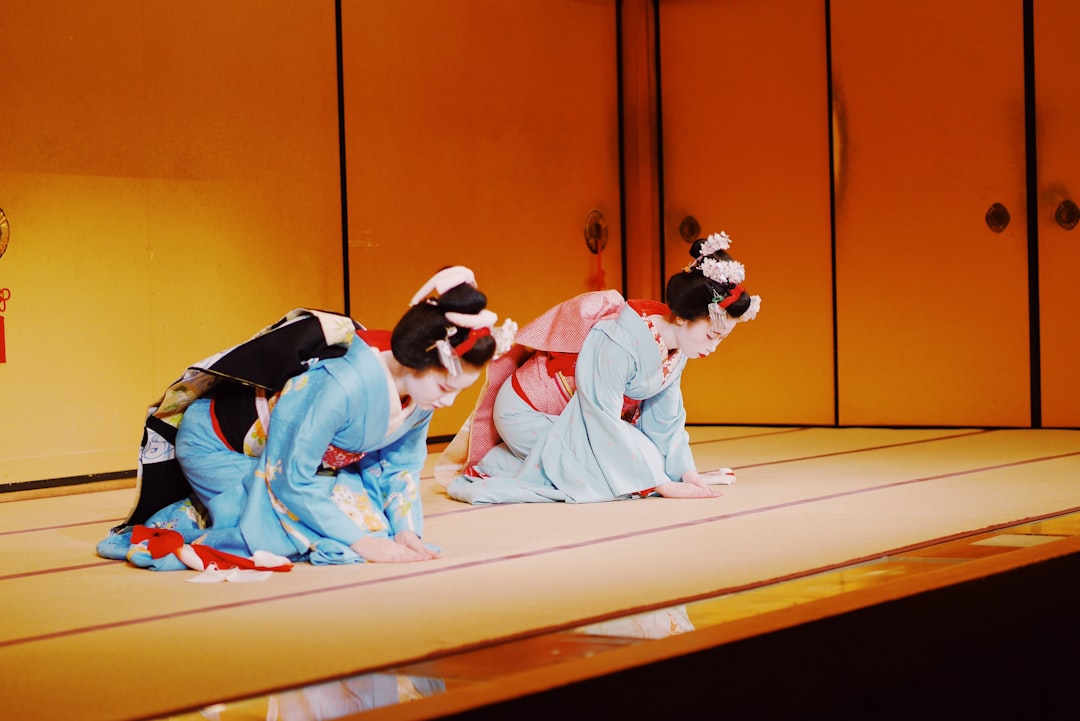

Photo by wang xi on Unsplash
Visiting Japan in 2026 offers travelers an incredible opportunity to experience one of the world’s most culturally rich destinations. However, understanding proper Japanese etiquette is crucial for showing respect to locals and ensuring a smooth, enjoyable trip. This comprehensive guide covers everything international visitors need to know about Japanese social customs and cultural expectations.
Essential Greetings and Basic Interactions
The foundation of Japanese etiquette begins with proper greetings. The traditional bow remains the most respectful form of greeting, though handshakes are increasingly accepted in business and tourist contexts as of 2026. When bowing, keep your hands at your sides and bow from the waist – the depth of your bow should match or be slightly deeper than the person greeting you.
Common greetings include “Ohayo gozaimasu” (good morning), “Konnichiwa” (hello/good afternoon), and “Konbanwa” (good evening). Even attempting basic Japanese phrases demonstrates respect for the culture and is greatly appreciated by locals.
Business card exchange follows specific protocols. Receive cards with both hands, study them briefly, and place them respectfully on the table during meetings rather than immediately putting them in your pocket or wallet.
Public Transportation Etiquette
Japan’s efficient transportation system comes with strict unwritten rules that travelers should follow. As of 2026, IC cards like Suica and Pasmo have enhanced foreign visitor compatibility, making travel easier while requiring adherence to local customs.
On trains and subways, maintain quiet behavior – phone conversations are strongly discouraged, and phones should be set to silent mode. Eating is generally acceptable on long-distance trains but avoided on local commuter trains. Priority seating areas, marked with different colored seats, should be vacated for elderly passengers, pregnant women, or people with disabilities.
Queue properly when boarding trains. Allow passengers to exit completely before attempting to board, and stand to the side of doors rather than directly in front. During rush hours, move to the center of train cars to make space for other passengers.
When using escalators, stand on the left side (except in Osaka, where people stand on the right) to allow others to pass. However, recent campaigns encourage standing on both sides for safety reasons.
Dining Etiquette and Restaurant Customs
Japanese dining culture involves numerous etiquette rules that enhance the dining experience when followed correctly. Before eating, say “Itadakimasu” (I humbly receive) and “Gochisousama” (thank you for the meal) when finished.
Chopstick etiquette is particularly important. Never stick chopsticks upright in rice bowls, as this resembles incense at funerals. Don’t pass food directly from chopstick to chopstick, point with chopsticks, or use them to move dishes around the table.
Slurping noodles is not only acceptable but encouraged – it shows appreciation and helps cool the noodles. However, avoid making noise when eating other foods. When sharing dishes, use the opposite end of your chopsticks or provided serving utensils.
Tipping is not customary in Japan and can sometimes cause confusion or offense. Exceptional service is considered standard, and the price on the menu or bill is exactly what you should pay. As of 2026, the consumption tax remains at 10%, and tax-free shopping is available for purchases over 5,000 yen for eligible visitors.
In traditional restaurants, you might need to remove shoes before entering tatami mat areas. Follow the lead of restaurant staff and other diners.
Temple and Shrine Etiquette
Religious sites require special respect and specific behavioral protocols. At Shinto shrines, purify yourself at the water basin (temizuya) by washing your left hand, then right hand, then rinsing your mouth (don’t drink the water). When approaching the main shrine, bow twice, clap twice, make your prayer or wish, then bow once more.
Buddhist temples have different customs. Remove hats and sunglasses, speak quietly, and don’t touch statues or religious artifacts. Photography may be restricted in certain areas – always check for signs or ask permission.
Dress modestly when visiting religious sites. Cover shoulders and avoid short shorts or revealing clothing. Some temples provide coverings if needed.
Accommodation Etiquette
Whether staying in hotels, ryokan, or other accommodations, specific etiquette applies. In traditional ryokan, remove shoes at the entrance and wear provided slippers. Bathroom slippers are separate from house slippers – never wear bathroom slippers outside the bathroom area.
When using onsen (hot springs) or public baths, thorough washing before entering the communal bath is mandatory. Sit on the provided stool and wash completely with soap and shampoo. Tattoos, while becoming more accepted as of 2026, may still restrict access to some onsen facilities.
In hotel rooms, maintain cleanliness and follow house rules. Many accommodations provide detailed guidelines in multiple languages for international guests.
Shopping and Service Interactions
Japanese customer service is renowned worldwide, and certain etiquette helps maintain positive interactions. Shop staff will often bow and use polite language – a simple nod or “arigato gozaimasu” (thank you very much) shows appreciation.
When shopping, handle merchandise carefully and return items to their proper places if you decide not to purchase them. In smaller shops, ask permission before taking photos.
Cash remains king in many Japanese establishments, though card acceptance has increased significantly by 2026. Have cash readily available, especially for smaller purchases, local restaurants, and traditional shops.
Social Situations and Cultural Sensitivity
Understanding Japanese social hierarchy and group dynamics helps navigate various situations. Avoid pointing with your index finger – use an open hand gesture instead. Personal space is valued, so avoid unnecessary physical contact.
Gift-giving has specific protocols if you’re staying with Japanese friends or colleagues. Present gifts with both hands, and don’t expect them to be opened immediately – this isn’t considered rude but rather shows the recipient wants to appreciate the gift privately.
Photography etiquette requires asking permission before photographing people, especially in traditional clothing or at cultural events. Some areas prohibit photography entirely, so watch for signs and respect restrictions.
Technology and Communication Etiquette
Mobile phone usage follows strict social rules. As mentioned earlier, phone calls on public transportation are inappropriate. Keep conversations brief and quiet when using phones in public spaces. Many restaurants and cultural sites have specific phone usage policies.
When communicating with locals, patience is key. Many Japanese people are learning English and may need time to process questions or respond. Speaking clearly and simply, without idioms or complex phrases, facilitates better communication.
Free Wi-Fi is widely available as of 2026, but be mindful of data usage and download appropriate translation apps before your trip to help bridge communication gaps respectfully.
Emergency Situations and Getting Help
If you need assistance, approach uniformed personnel at stations, police koban (small neighborhood police boxes), or hotel staff. The universal emergency number is 110 for police and 119 for fire/ambulance services. Many operators have English-speaking capabilities as of 2026.
Tourist hotlines provide 24-hour assistance in multiple languages. Save these numbers in your phone before traveling. Embassy contact information should also be readily available.
Seasonal Considerations and Special Events
Different seasons bring unique etiquette considerations. During cherry blossom season, hanami parties have specific customs about reserving spaces and cleaning up afterward. Summer festival participation requires understanding of queue management and appropriate behavior during traditional events.
Golden Week, Obon, and New Year periods involve different social expectations and may affect service availability. Plan accordingly and show extra patience during these busy times.
Understanding and respecting Japanese etiquette as a traveler in 2026 creates more meaningful interactions with locals and demonstrates cultural appreciation. While perfection isn’t expected from visitors, making an effort to follow these guidelines shows respect for Japanese culture and often results in warmer, more welcoming experiences throughout your journey.