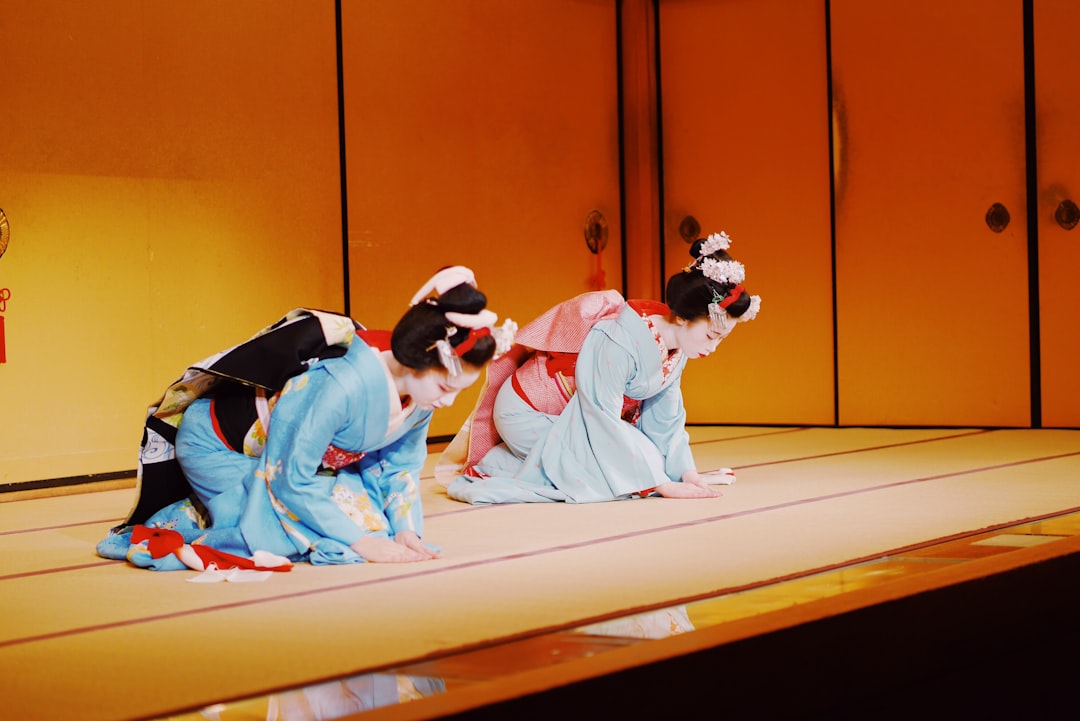

Photo by wang xi on Unsplash
Planning a trip to Japan in 2026? Understanding Japanese etiquette is crucial for making a positive impression and having a respectful, enjoyable journey. As Japan continues to welcome international visitors with updated entry policies and enhanced tourist services, knowing the cultural norms will help you navigate everything from bowing protocols to dining customs with confidence.
Japanese society places tremendous value on respect, harmony, and consideration for others. These principles, known as omotenashi (hospitality), permeate every aspect of daily life. As a traveler, embracing these cultural expectations will not only show respect but also unlock more authentic experiences and warmer interactions with locals.
Essential Greeting and Social Etiquette
Bowing: The Art of Respectful Greetings
Bowing remains the traditional form of greeting in Japan, though as of 2026, handshakes are increasingly accepted in international business settings. For travelers, a slight bow of 15-30 degrees is appropriate for most situations. Deeper bows are reserved for formal occasions or when expressing sincere apologies or gratitude.
Key bowing guidelines include:
- Keep your hands at your sides or clasped in front
- Maintain eye contact before bowing, then look down during the bow
- The depth and duration should match the other person’s bow
- In elevators or crowded spaces, a simple nod suffices
Business Card Exchange
If you’re traveling for business or receive business cards, treat them with utmost respect. Present and receive cards with both hands, take a moment to read the card carefully, and place it respectfully on the table during meetings rather than stuffing it in your pocket immediately.
Transportation Etiquette
Train and Subway Manners
Japan’s efficient rail system, including the JR Pass system (with updated 2026 pricing starting at ¥50,000 for a 7-day ordinary pass), comes with strict etiquette rules. With enhanced foreign IC card compatibility for Suica and Pasmo cards as of 2026, navigating public transport is easier than ever, but proper behavior is essential.
Essential train etiquette includes:
- Queue in designated areas and allow passengers to exit before boarding
- Move to the center of the car and remove your backpack in crowded conditions
- Keep conversations quiet and phone calls to a minimum
- Offer priority seats to elderly, pregnant, or disabled passengers
- Avoid eating strong-smelling foods (light snacks and drinks are acceptable)
Taxi Etiquette
Taxi doors in Japan open and close automatically, so don’t touch them. Sit in the back seat unless traveling with multiple passengers, and have your destination written in Japanese characters to show the driver. Tipping is not expected or accepted in taxis.
Dining Etiquette and Restaurant Customs
Chopstick Etiquette
Proper chopstick use is fundamental to Japanese dining etiquette. Never stick chopsticks upright in rice, as this resembles incense at funerals. Don’t pass food directly from your chopsticks to someone else’s, point with chopsticks, or use them to move dishes around the table.
Additional chopstick guidelines:
- Rest chopsticks on the provided holder or across your bowl
- Use the opposite ends when taking food from shared dishes
- Don’t rub wooden chopsticks together (this implies they’re cheap)
- Place chopsticks parallel when finished eating
Restaurant Behavior
Upon entering restaurants, you’ll often hear “irasshaimase” (welcome). A simple nod or “arigatou gozaimasu” (thank you) is appropriate. Wait to be seated rather than choosing your own table, and remove hats and sunglasses while dining.
Important dining customs include:
- Say “itadakimasu” before eating and “gochisousama deshita” after finishing
- Don’t tip – it’s included in the service and can cause confusion
- Slurping noodles is acceptable and shows appreciation
- Finish everything on your plate to show respect for the meal
- Pour drinks for others rather than yourself
Shopping and Payment Etiquette
As of 2026, Japan’s consumption tax remains at 10%, with tax-free shopping available for tourists on purchases over ¥5,000 at participating stores. When shopping, place money in the provided tray rather than handing it directly to cashiers. Credit cards are widely accepted now, but cash is still preferred at smaller establishments.
Shopping etiquette tips:
- Greet staff when entering stores
- Don’t touch merchandise excessively unless you’re seriously considering purchase
- Bag your own groceries at supermarkets
- Keep receipts for tax-free purchases until departure
- Be patient during the detailed tax-free process at department stores
Temple and Shrine Etiquette
Visiting Japan’s numerous temples and shrines requires specific respectful behavior. At shrine entrances, bow before passing through torii gates and purify yourself at the water basin by rinsing your hands and mouth with the provided ladle.
Sacred site guidelines:
- Dress modestly with covered shoulders and knees
- Remove hats and sunglasses
- Turn off camera flashes and don’t photograph people praying
- Keep voices low and behavior respectful
- Follow photography restrictions, especially in temple buildings
- Don’t touch sacred objects or statues
Hotel and Accommodation Etiquette
Japanese hospitality standards are exceptionally high. In traditional ryokan or even modern hotels, remove shoes when entering tatami mat areas. Follow staff instructions carefully, especially regarding onsen (hot spring) usage if available.
Onsen Etiquette
Public baths require specific protocols:
- Wash thoroughly before entering the bath
- Enter the water quietly without splashing
- Keep towels out of the water
- Don’t swim or be overly active in the bath
- Rinse off again before leaving the bathing area
Gift-Giving Customs
If bringing gifts from your home country or purchasing omiyage (souvenirs) for Japanese friends, presentation matters enormously. Wrap gifts beautifully and present them with both hands while bowing slightly. Recipients typically don’t open gifts immediately in your presence.
Technology and Photography Etiquette
While Japan is incredibly tech-forward, certain digital etiquettes apply. Set phones to silent mode in public spaces, avoid talking on phones in trains, and always ask permission before photographing people. Many onsen, some temples, and certain cultural sites prohibit photography entirely.
Common Mistakes to Avoid
Even well-intentioned travelers can inadvertently cause offense. Avoid these common mistakes:
- Wearing shoes inside homes, temples, or traditional restaurants
- Blowing your nose in public (excuse yourself to a restroom)
- Speaking loudly in public spaces
- Jaywalking or ignoring traffic signals
- Expecting others to speak English
- Rushing or showing impatience with service
Learning Basic Japanese Phrases
While not strictly etiquette, learning basic phrases shows respect and effort. Essential phrases include:
- Arigatou gozaimasu (thank you very much)
- Sumimasen (excuse me/sorry)
- Onegaishimasu (please/I’m asking for a favor)
- Gomen nasai (I’m sorry)
- Hajimemashite (nice to meet you)
Seasonal Considerations for 2026
As of 2026, Japan continues to experience distinct seasonal behaviors and expectations. During cherry blossom season, respect hanami spaces and clean up after picnics. In summer festivals, follow crowd management instructions carefully. Winter illuminations and New Year visits to shrines require patience and adherence to organized queuing systems.
Understanding and practicing Japanese etiquette will transform your 2026 Japan travel experience from merely sightseeing to cultural immersion. Remember that Japanese people are generally forgiving of foreign visitors who make honest mistakes while clearly trying to show respect. Your effort to understand and follow local customs will be appreciated and often reciprocated with exceptional hospitality and memorable interactions.
Before your trip, consider purchasing a cultural guidebook or taking a basic Japanese language course. The investment in cultural preparation will pay dividends in the depth and authenticity of your Japanese travel experience.