
Photo by wang xi on Unsplash
Visiting Japan in 2026 offers an incredible cultural experience, but understanding proper etiquette is essential for respectful and meaningful travel. Japanese society places tremendous value on courtesy, respect, and harmony, making cultural awareness crucial for foreign visitors navigating this fascinating country.
Bowing Etiquette: The Foundation of Japanese Politeness
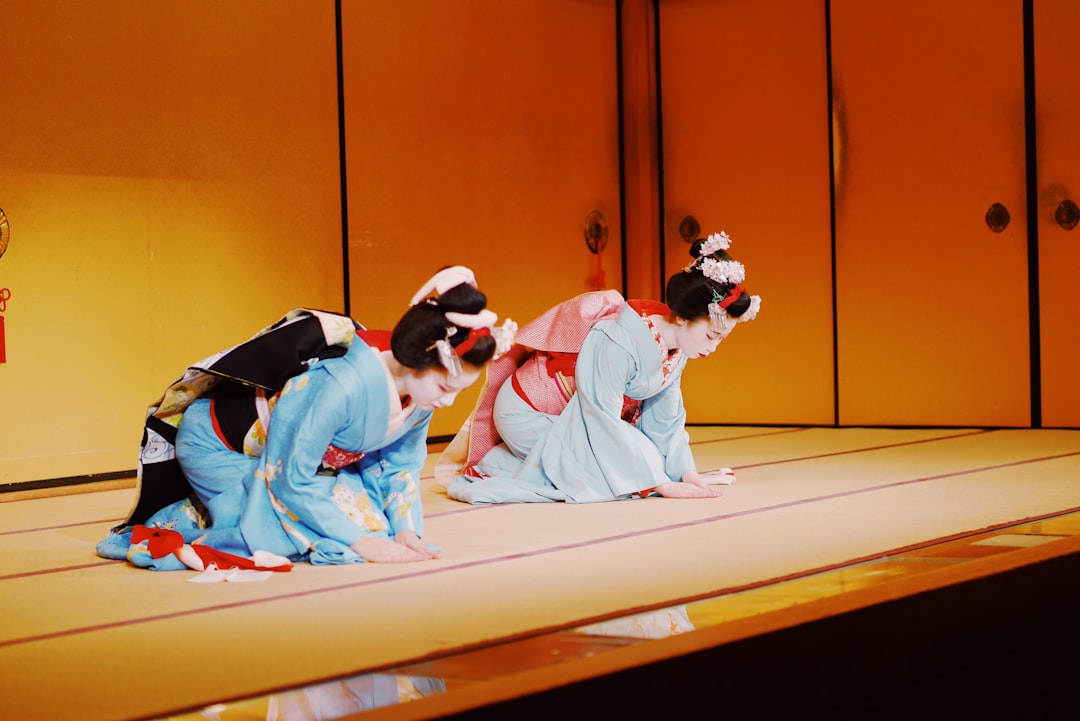
Bowing remains the cornerstone of Japanese social interaction in 2026, despite increased Western influence. As a traveler, you don’t need to master every nuance, but understanding basic bowing principles will enhance your experience.
A simple 15-degree bow suffices for most situations – greeting shopkeepers, thanking service staff, or acknowledging introductions. Deeper bows (30-45 degrees) are reserved for formal apologies or meeting important business contacts. Keep your hands at your sides, back straight, and hold the bow for 1-2 seconds.
Don’t worry about perfect execution; Japanese people appreciate foreign visitors’ efforts to respect their customs. A sincere attempt at bowing, combined with basic politeness phrases, demonstrates cultural awareness and respect.
Public Transportation Etiquette
Japan’s efficient transportation system has specific etiquette rules that remain strictly observed as of 2026. Understanding these customs ensures comfortable travel for everyone.
Train and Subway Behavior
Maintain quiet conversations or, preferably, silence on trains. Phone calls are strictly prohibited – switch devices to silent mode immediately upon boarding. If you must take an urgent call, exit at the next station.
When boarding, allow passengers to exit first before entering. Stand to the right on escalators, keeping the left side clear for walking. Priority seats (usually marked in different colors) are reserved for elderly passengers, pregnant women, and those with disabilities.
Remove your backpack and hold it in front of you to avoid accidentally hitting other passengers. During rush hours, which remain intense in major cities like Tokyo and Osaka in 2026, space is extremely limited.
IC Card Usage and Updates
As of 2026, foreign visitors can easily obtain and reload Suica and Pasmo IC cards, with enhanced compatibility for international credit cards. These cards now offer improved English support through mobile apps, making navigation simpler for travelers.
Dining Etiquette Essentials
Japanese dining culture encompasses numerous traditions that enhance your culinary experience when properly understood and respected.
Chopstick Fundamentals
Never stick chopsticks vertically into rice bowls – this resembles funeral rituals and is considered highly inappropriate. Avoid passing food directly between chopsticks, pointing with chopsticks, or using them to move dishes around the table.
Place chopsticks parallel on the provided rest (hashioki) when not eating. If no rest is available, lay them neatly across your bowl or plate.
Restaurant Customs
Say “itadakimasu” (I humbly receive) before eating and “gochisousama” (thank you for the meal) when finished. These phrases show gratitude and respect for the food and those who prepared it.
Tipping is not practiced in Japan and can actually cause confusion or offense. Exceptional service is considered standard, and prices reflect this expectation. Many restaurants in 2026 have adopted contactless payment systems, but cash remains widely accepted and preferred in smaller establishments.
When dining in groups, it’s customary to pour drinks for others rather than yourself. This reciprocal gesture strengthens social bonds and demonstrates consideration for companions.
Shopping and Tax-Free Etiquette
Japan’s consumption tax remains at 10% as of 2026, with tax-free shopping available for foreign visitors on purchases exceeding 5,000 yen at participating stores. Present your passport at designated tax-free counters to claim exemptions.
When shopping, handle merchandise carefully and avoid excessive touching unless you’re seriously considering a purchase. Store staff provide exceptional service, so acknowledge their assistance with thanks and patience.
Many stores now offer multilingual support through translation apps and international staff, reflecting Japan’s continued efforts to accommodate foreign visitors in 2026.
Temple and Shrine Etiquette
Religious sites require particular respect and adherence to traditional protocols that remain unchanged in 2026.
Shrine Visiting Protocol
Bow before passing through torii gates, then walk along the sides of paths rather than the center – the middle is reserved for kami (spirits). At the purification fountain, rinse your left hand, then right hand, then rinse your mouth (don’t drink or directly touch the ladle to your lips).
At the main shrine, bow twice, clap twice, make your prayer or wish, then bow once more. Monetary offerings are appreciated but not mandatory – small coins suffice.
Temple Guidelines
Remove hats and sunglasses when entering temple buildings. Photography may be restricted in certain areas – look for signs or ask permission. Speak quietly and move slowly to maintain the peaceful atmosphere.
Some temples charge entrance fees, particularly famous sites like Kyoto’s golden temples. Payment supports maintenance and preservation efforts.
Communication and Language Considerations
While English signage has expanded significantly by 2026, learning basic Japanese phrases demonstrates respect and often results in warmer interactions.
Essential Phrases
Master these fundamental expressions: “Arigatou gozaimasu” (thank you very much), “Sumimasen” (excuse me/sorry), “Onegaishimasu” (please), and “Eigo ga wakarimasu ka?” (do you understand English?).
Even mispronounced Japanese is usually appreciated. Many Japanese people are eager to help foreign visitors, though they may be shy about their English abilities.
Non-Verbal Communication
Maintain appropriate personal space – Japanese society values physical boundaries. Avoid prolonged direct eye contact, which can be considered confrontational. Instead, intermittent eye contact shows attention without aggressiveness.
Hand gestures should be minimal and subtle. Pointing with a full hand rather than a single finger appears more polite.
Business Card Exchange
Even for leisure travelers, business card (meishi) exchange remains common when meeting locals professionally or in formal settings.
Receive business cards with both hands, read them carefully before putting them away, and store them respectfully in a card case rather than your back pocket. When presenting your own card, use both hands and ensure it faces the recipient correctly.
Gift-Giving Customs
Omiyage (souvenir) culture thrives in Japan as of 2026. When visiting someone’s home or office, bringing small gifts from your home country is thoughtful and appreciated.
Present gifts with both hands and expect the recipient to set it aside to open later – this isn’t rudeness but proper etiquette. Wrapping is extremely important; many stores provide beautiful packaging that’s part of the gift’s value.
Hotel and Accommodation Etiquette
Remove shoes when entering traditional accommodations like ryokans. Slippers are typically provided for indoor use. Special toilet slippers should only be worn in bathroom areas.
In onsen (hot spring) facilities, wash thoroughly before entering communal baths. Tattoos may still restrict access at some traditional establishments, though policies have relaxed at many locations by 2026.
Street Behavior and Public Spaces
Japanese streets remain remarkably clean thanks to collective responsibility. Carry your trash until you find appropriate disposal bins, which can be scarce outside stations and convenience stores.
Smoking is restricted to designated areas in most cities as of 2026, with fines for violations. Eating while walking is generally discouraged, though enforcement varies by location.
Seasonal Considerations
Japan’s distinct seasons influence social behavior and expectations. Summer festivals (matsuri) have specific participation etiquettes, while cherry blossom season requires patience and sharing of viewing spots.
Dress appropriately for weather and occasions. Many Japanese people dress more formally than typical Western tourists, so slightly elevating your attire often results in better treatment and experiences.
Understanding and respecting Japanese etiquette transforms your 2026 visit from mere tourism into meaningful cultural exchange. These customs reflect deeper values of harmony, respect, and consideration that make Japan uniquely special. While perfection isn’t expected from foreign visitors, sincere efforts to understand and follow basic etiquette principles will enrich your journey immeasurably.