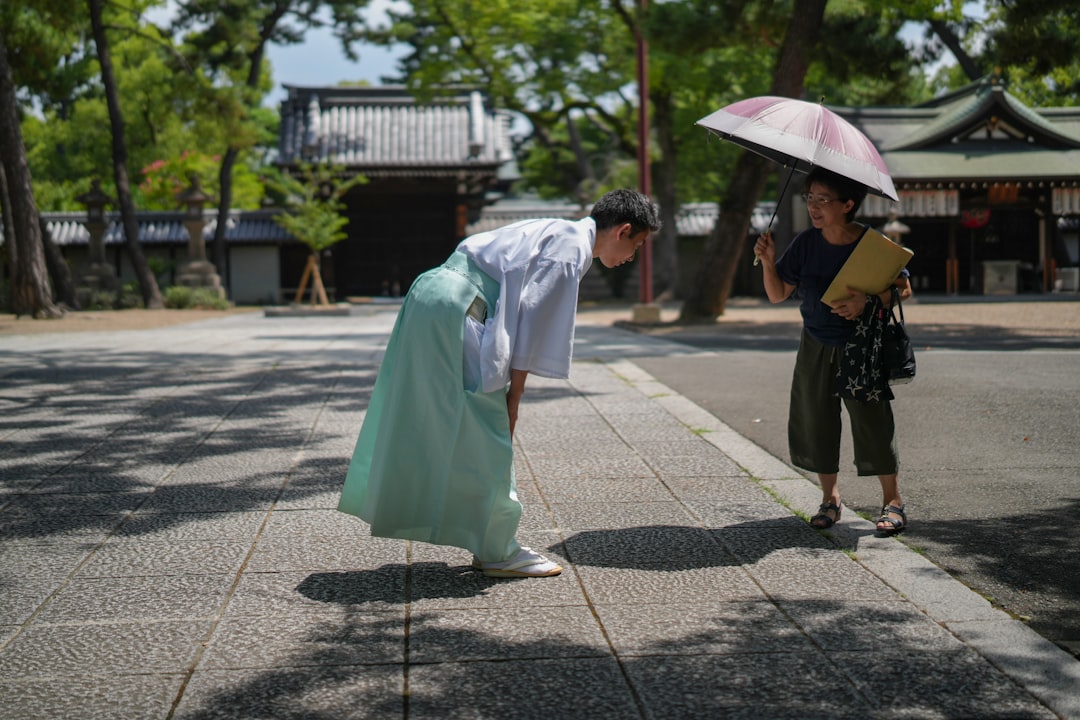

Photo by Buddy AN on Unsplash
Traveling to Japan in 2026 offers an incredible opportunity to experience one of the world’s most culturally rich destinations. However, understanding Japanese etiquette is crucial for showing respect to locals and ensuring your trip goes smoothly. This comprehensive guide will help you navigate Japan’s social customs with confidence and cultural sensitivity.
Understanding the Foundation of Japanese Etiquette
Japanese culture is built on concepts of respect, harmony, and consideration for others. The principle of “omotenashi” (hospitality) means that Japanese people often go above and beyond to help visitors, but this kindness should be reciprocated with proper etiquette and respect for local customs.
As of 2026, Japan continues to welcome international visitors with open arms, especially after the tourism industry’s recovery. However, with increased tourism comes a greater need for cultural awareness and respectful behavior from travelers.
Bowing and Greeting Etiquette
Bowing is fundamental to Japanese culture and serves multiple purposes – greeting, thanking, apologizing, and showing respect. As a tourist, you don’t need to master complex bowing techniques, but understanding the basics will be appreciated.
Types of Bows
- Casual bow (15 degrees): Used for everyday greetings and thanks
- Respectful bow (30 degrees): For more formal situations or showing greater respect
- Deep bow (45+ degrees): Reserved for apologies or extremely formal situations
When greeting Japanese people, a slight bow with “konnichiwa” (hello) or “arigatou gozaimasu” (thank you very much) is appropriate. Don’t worry about perfect execution – the effort is what matters most.
Public Transportation Etiquette
Japan’s public transportation system is world-renowned for its efficiency and cleanliness. In 2026, IC cards like Suica and Pasmo have become even more foreigner-friendly, with English support and compatibility with international payment methods.
Train and Subway Manners
- Queue properly: Stand to the sides of doors and allow passengers to exit before boarding
- Priority seating: Give up priority seats (marked in different colors) to elderly, pregnant women, or disabled passengers
- Phone etiquette: Keep phones on silent mode and avoid talking on the phone
- Volume control: Speak in low voices and avoid loud conversations
- Backpack courtesy: Remove large backpacks and hold them in front or place them on overhead racks
The JR Pass, which saw price increases in October 2023, remains a valuable option for tourists. As of 2026, the 7-day ordinary pass costs ¥50,000, but proper etiquette while using it ensures a pleasant experience for everyone.
Dining Etiquette and Restaurant Behavior
Japanese dining culture has specific customs that show respect for food, chefs, and fellow diners.
Before and After Meals
Say “itadakimasu” (I gratefully receive) before eating and “gochisousama deshita” (thank you for the meal) when finished. These phrases show appreciation for everyone who contributed to your meal.
Chopstick Etiquette
- Never stick chopsticks upright in rice – this resembles funeral rituals
- Don’t pass food directly from chopstick to chopstick
- Place chopsticks on the provided rest when not using them
- Don’t point with chopsticks or use them to move dishes
Restaurant Manners
Many restaurants in 2026 have adapted to accommodate international visitors, but traditional etiquette still applies. Wait to be seated, don’t tip (it’s not customary in Japan), and be patient with service – quality is prioritized over speed.
Temple and Shrine Etiquette
Visiting temples and shrines requires particular sensitivity to religious customs and sacred spaces.
General Temple and Shrine Rules
- Purification ritual: Wash hands and rinse mouth at the purification fountain before entering
- Photography: Check for signs prohibiting photos; when in doubt, ask permission
- Dress modestly: Cover shoulders and avoid short shorts or skirts
- Quiet respect: Speak softly and maintain a respectful demeanor
- Hat removal: Remove hats when entering temple buildings
Proper Prayer Etiquette
At shrines, bow twice, clap twice, pray silently, then bow once more. At temples, simply put your hands together and bow your head. Don’t feel obligated to participate if you’re not comfortable, but observe quietly and respectfully.
Shopping and Service Interactions
Japan’s retail culture emphasizes exceptional customer service, and as of 2026, tax-free shopping remains available for tourists spending over ¥5,000 at participating stores, with the consumption tax at 10%.
Shopping Etiquette
- Bring your passport for tax-free purchases
- Handle merchandise carefully and ask before trying on items
- Don’t haggle – prices are typically fixed
- Be patient with staff who may be nervous about English communication
- Use both hands when giving or receiving money, business cards, or receipts
Hot Spring (Onsen) and Public Bath Etiquette
Onsen culture is integral to Japanese life, and proper etiquette is essential for a positive experience.
Onsen Rules
- Wash thoroughly: Clean your entire body before entering any bath
- No swimwear: Onsen are entered completely nude
- Towel etiquette: Don’t let your washing towel touch the bath water
- Tattoo considerations: Many onsen still prohibit tattoos, though some have become more flexible as of 2026
- Quiet enjoyment: Keep conversations quiet and respectful
Street and Public Behavior
Japanese cities are remarkably clean and orderly, maintained through collective social responsibility.
Public Space Etiquette
- Trash responsibility: Carry your trash with you – public bins are rare
- Walking etiquette: Stay to the left on escalators and walkways
- Smoking rules: Only smoke in designated areas – outdoor smoking laws are strictly enforced in 2026
- Noise consideration: Avoid loud conversations or phone calls in public
- Photography courtesy: Don’t photograph people without permission
Gift-Giving and Souvenir Culture
Omiyage (souvenir) culture is important in Japan, where travelers traditionally bring back gifts for colleagues, friends, and family.
Gift-Giving Guidelines
- Present gifts with both hands
- Recipients may not open gifts immediately – this is normal
- Edible souvenirs that can be shared are particularly appreciated
- Presentation matters – ask for gift wrapping when available
Communication and Language Etiquette
While English signage and support have improved significantly by 2026, making an effort with Japanese is always appreciated.
Essential Phrases
- Sumimasen: Excuse me/I’m sorry (multipurpose)
- Arigatou gozaimasu: Thank you very much
- Onegaishimasu: Please (when making requests)
- Gomen nasai: I’m sorry (for apologies)
- Eigo ga dekimasu ka?: Can you speak English?
Business Card Exchange
If you’re traveling for business or receive business cards, proper meishi (business card) etiquette is important.
- Receive cards with both hands
- Study the card briefly before putting it away
- Place received cards on the table during meetings
- Never write on someone’s business card
Seasonal Considerations and Current Updates
As of 2026, Japan continues to experience seasonal tourism peaks. Understanding cultural expectations during different seasons enhances your experience:
- Cherry blossom season: Respect hanami party spaces and clean up after yourself
- Summer festivals: Follow crowd control measures and dress appropriately for outdoor events
- New Year period: Many businesses close; temple visits require extra patience and respect
Final Tips for Respectful Travel
Remember that cultural etiquette is about showing respect and making an effort. Japanese people are generally very understanding of foreigners who make mistakes while trying to be respectful. The key is approaching interactions with humility, patience, and genuine interest in the culture.
Keep in mind that Japan in 2026 has become even more internationally aware while maintaining its cultural traditions. Many establishments now provide English guidance for etiquette, but your efforts to follow traditional customs will always be appreciated.
Before traveling, we recommend checking official government sources and current travel advisories for the most up-to-date information on entry requirements and local guidelines as of 2026.