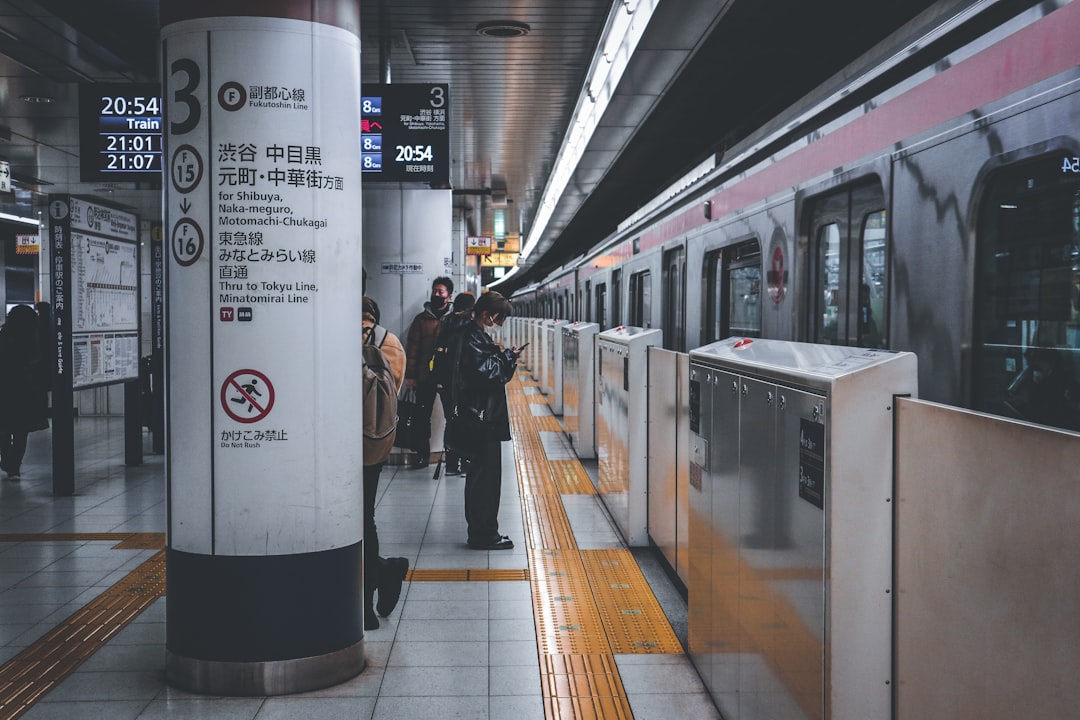

Photo by BREAKIFY on Unsplash
Navigating Tokyo’s intricate subway system in 2026 has become more foreigner-friendly than ever, but it can still feel overwhelming for first-time visitors. With over 280 stations across multiple operators and recent technological upgrades, understanding how to efficiently move through the world’s largest metropolitan rail network is essential for any Tokyo adventure.
Understanding Tokyo’s Subway Network Structure
Tokyo’s rail system consists of three main operators as of 2026: JR East (Japan Railways), Tokyo Metro, and Toei Subway. JR East operates the famous Yamanote Line and other major routes, while Tokyo Metro runs nine subway lines including the Ginza, Marunouchi, and Hibiya lines. Toei Subway operates four additional lines under Tokyo Metropolitan Government.
The key to mastering Tokyo’s subway system is understanding that these operators function as separate entities with different fare structures, though seamless transfers between lines have improved significantly with recent IC card upgrades in 2026.
IC Cards: Your Digital Key to Tokyo Transit
The most significant improvement for international travelers in 2026 is the enhanced IC card system. Both Suica and Pasmo cards now offer full English language support and can be purchased with international credit cards at all major stations.
Getting Your IC Card
Purchase your IC card at any ticket machine or station counter. As of 2026, the deposit fee remains ¥500, which is fully refundable when you return the card. You can load anywhere from ¥1,000 to ¥20,000 onto your card, with the ability to reload at any station.
New in 2026 is the digital IC card option available through the official Tokyo Metro app, eliminating the need for physical cards for smartphone users with NFC capability.
Benefits Beyond Transit
Your IC card functions as more than just a train ticket. Use it for convenience store purchases, vending machines, and many restaurants throughout Tokyo. This cashless convenience has expanded significantly, with over 95% of Tokyo businesses accepting IC card payments as of 2026.
Essential Apps and Digital Tools
Technology has revolutionized Tokyo subway navigation. The official Tokyo Metro app, updated for 2026, provides real-time train schedules, platform information, and step-by-step navigation in multiple languages including English, Chinese, and Korean.
Must-Have Apps
- Tokyo Metro App: Official app with offline maps and real-time updates
- Google Maps: Excellent for route planning and walking directions to stations
- Hyperdia: Comprehensive timetable app for all Japanese trains
- Tokyo Subway Navigation: Specifically designed for tourists with simplified route options
All major stations now offer free Wi-Fi, making it easier to check directions and translation apps while underground.
Reading Station Signs and Maps
Tokyo stations use a color-coded system that remains consistent across all operators. Each line has a designated color, and stations are marked with both Japanese characters and English names. As of 2026, all signage includes QR codes that link to detailed station information in your preferred language.
Station Number System
Every station has an alphanumeric code (like M09 for Ginza Station on the Marunouchi Line) making navigation possible even without language skills. These codes are prominently displayed on platform signs, train maps, and station entrances.
Platform signs clearly indicate train destinations with both English and Japanese text. Look for the final destination of your train line rather than intermediate stops to avoid confusion.
Rush Hour Navigation Strategies
Tokyo’s rush hours occur from 7:30-9:30 AM and 5:30-7:30 PM on weekdays. During these times, trains can reach 150-200% capacity, making navigation challenging for newcomers.
Rush Hour Survival Tips
- Allow extra travel time during peak hours
- Consider alternative routes using less crowded lines
- Board cars at the front or rear, which are typically less crowded
- Use women-only cars if applicable (clearly marked in pink)
- Plan sightseeing activities outside rush hour windows
The introduction of dynamic pricing in 2026 offers slight discounts for off-peak travel, encouraging tourists to avoid the busiest times.
Fare Structure and Cost-Saving Tips
Tokyo subway fares are distance-based, starting at ¥170 for short trips within the same operator’s network. Transfers between different operators incur additional charges, making route planning crucial for budget-conscious travelers.
Tourist Pass Options
Several pass options cater to different travel patterns:
- Tokyo Metro 24-Hour Ticket: ¥880 for unlimited rides on Tokyo Metro lines
- Tokyo Metro/Toei Combined Pass: ¥1,590 for 24 hours on both networks
- Greater Tokyo Pass: ¥2,800 for three days including JR lines within Tokyo
Calculate your expected daily subway usage to determine if passes offer savings over individual IC card payments.
Accessibility and Special Needs
Tokyo’s subway system has made significant accessibility improvements leading up to 2026. All major stations now feature elevator access, tactile paving for visually impaired passengers, and multilingual assistance.
Station staff receive enhanced English training, and many stations have dedicated international assistance counters during peak tourist hours. Platform edge doors, now installed at 85% of stations as of 2026, improve safety and reduce anxiety for nervous travelers.
Etiquette and Cultural Considerations
Proper subway etiquette enhances the experience for everyone. Key points include:
- Allow passengers to exit before boarding
- Move to the center of cars when possible
- Keep voices low and avoid phone conversations
- Offer priority seats to elderly, pregnant, or disabled passengers
- Remove backpacks in crowded cars
Following these guidelines helps maintain the respectful atmosphere Tokyo’s transit system is known for.
Emergency Procedures and Safety
Tokyo’s subway system maintains excellent safety records, but knowing emergency procedures provides peace of mind. Emergency buttons on platforms immediately alert station staff, and all trains have emergency communication systems.
As of 2026, emergency announcements broadcast in Japanese, English, Chinese, and Korean. Station maps clearly mark emergency exits, and regular safety drills ensure staff preparedness.
Seasonal Considerations and Service Changes
Tokyo’s subway system adapts to seasonal demands and special events. During cherry blossom season, Golden Week, and New Year holidays, expect increased crowds and potential service modifications.
The official Tokyo Metro website and app provide advance notice of planned maintenance, service changes, and special event schedules. Bookmark these resources for real-time updates during your visit.
Advanced Tips for Frequent Users
For extended stays or return visits, consider these advanced strategies:
- Learn the fastest walking routes between popular transfer stations
- Identify alternative routes for your most common destinations
- Use train composition information to board cars closest to your exit
- Take advantage of early morning and late evening off-peak pricing
Mastering Tokyo’s subway system transforms your travel experience from stressful navigation to confident exploration. With proper preparation and these 2026-updated strategies, you’ll move through Tokyo like a local, maximizing your time for the incredible experiences this amazing city offers.
Remember that station staff are generally helpful and patient with foreign visitors. Don’t hesitate to ask for assistance – most major stations have English-speaking staff available, and the investment in infrastructure and international support continues to improve each year.