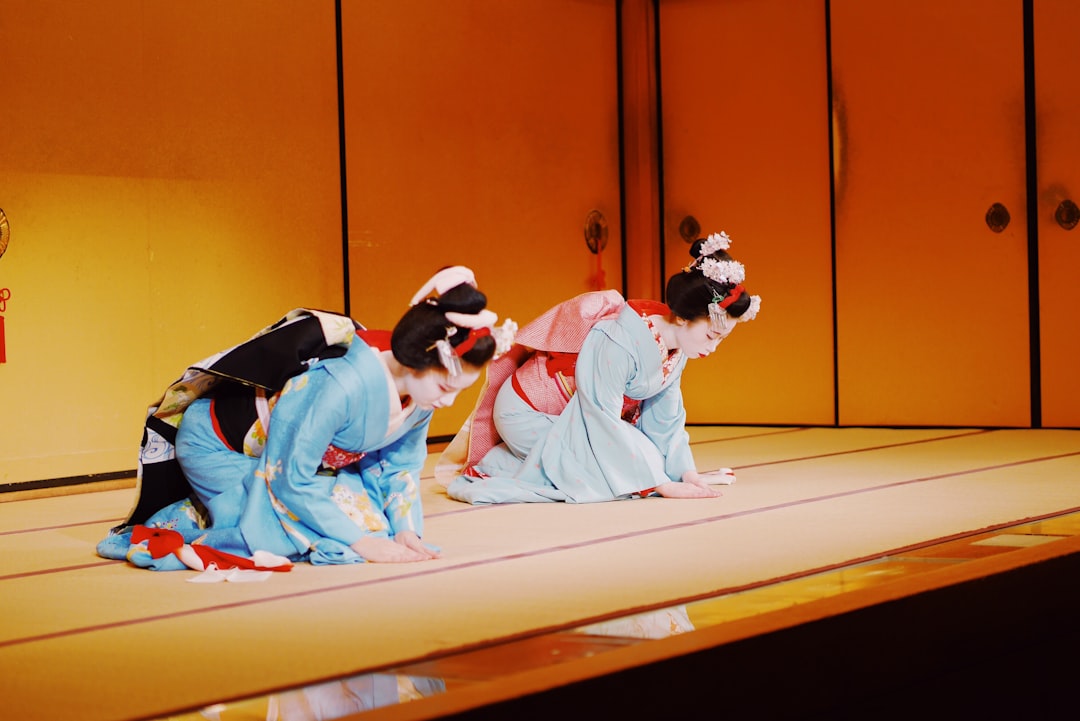

Photo by wang xi on Unsplash
Traveling to Japan in 2026 offers incredible experiences, from cutting-edge technology to timeless traditions. However, understanding Japanese etiquette is crucial for respectful and smooth interactions throughout your journey. This comprehensive guide covers the essential cultural norms and social expectations that will help you navigate Japan like a considerate visitor.
Why Japanese Etiquette Matters More Than Ever
As Japan continues to welcome international visitors post-pandemic, cultural sensitivity has become increasingly important. Japanese society values harmony (wa) and respect above all else, and following proper etiquette demonstrates your appreciation for their culture. In 2026, with tourism numbers reaching new heights, showing cultural awareness helps create positive interactions and enhances your overall travel experience.
Bowing: The Art of Respectful Greeting
Bowing remains the traditional Japanese greeting, though handshakes are increasingly accepted for foreign visitors. The depth and duration of your bow indicates the level of respect:
- Casual bow (15 degrees): For shopkeepers, restaurant staff, or casual encounters
- Respectful bow (30 degrees): For business meetings or formal introductions
- Deep bow (45 degrees): Reserved for apologies or showing great respect
As a visitor, a slight nod or shallow bow is perfectly acceptable. Don’t overthink it—Japanese people understand you’re learning their customs and appreciate the effort.
Shoe Etiquette: When and Where to Remove Footwear
Removing shoes is fundamental to Japanese culture. You’ll need to take off your shoes when entering:
- Traditional ryokan inns and some hotels
- Private homes and apartments
- Many restaurants with tatami floors
- Temples and shrines (some areas)
- Traditional tea houses
- Fitting rooms in clothing stores
Always look for shoe racks or slippers at entrances—these are clear indicators. Wear clean, hole-free socks and consider slip-on shoes for convenience. Many establishments provide slippers, but some travelers prefer bringing their own for comfort.
Public Transportation Etiquette
Japan’s transportation system in 2026 remains incredibly efficient, and proper etiquette ensures it stays pleasant for everyone:
Train and Subway Manners
- Queue properly: Line up beside doors, allowing passengers to exit first
- Keep quiet: Speak in low voices and set phones to silent mode
- Priority seating: Offer seats to elderly, pregnant women, and disabled passengers
- Backpack consideration: Remove large backpacks to avoid bumping others
- No eating: Avoid eating on local trains (shinkansen bullet trains are exceptions)
When using IC cards like Suica or Pasmo in 2026, note that foreign-compatible cards are now widely available with English interfaces, making navigation easier than ever.
Escalator Etiquette
Stand on the left side of escalators in Tokyo and most of Japan, leaving the right side for people in a hurry. In Osaka, it’s the opposite—stand right, walk left. As of 2026, some stations encourage standing on both sides for safety, so follow local signage.
Restaurant and Dining Etiquette
Japanese dining culture involves numerous subtle rules that show respect for food and service:
Entering Restaurants
Wait to be seated rather than choosing your own table. Many restaurants in 2026 use digital queue systems or ticket machines, especially popular establishments. Don’t be surprised if there’s a wait—patience is valued.
Chopstick Etiquette
- Never stick chopsticks upright in rice (resembles funeral rituals)
- Don’t pass food chopstick-to-chopstick (also associated with funeral customs)
- Use the opposite end when taking food from shared plates
- Rest chopsticks on the provided holder, not across your bowl
- Don’t point with chopsticks or use them to move dishes
Ordering and Paying
Many restaurants in 2026 offer English menus or tablet ordering systems. When paying, place money in the small tray provided rather than handing it directly to staff. Tipping isn’t customary and can actually cause confusion or offense.
Shopping Etiquette and Tax-Free Procedures
Japan’s retail experience is renowned for exceptional service. In 2026, the consumption tax remains at 10%, but tax-free shopping is available for tourists spending over 5,000 yen at participating stores.
Department Store Behavior
- Bow slightly when receiving exceptional service
- Don’t bargain—prices are fixed in most establishments
- Handle merchandise carefully and ask before trying on accessories
- Keep voices low and avoid blocking aisles
For tax-free shopping in 2026, bring your passport and look for “Tax-Free” signs. Many stores now use digital systems that automatically process tax exemptions at checkout.
Temple and Shrine Etiquette
Religious sites require particular respect and proper behavior:
Shrine Visiting Protocol
- Bow before passing through the torii gate
- Purify hands and mouth at the temizuya (water basin)
- Walk to the side of pathways (center is for kami/spirits)
- Bow twice, clap twice, pray silently, then bow once more
- Make monetary offerings in odd numbers (5, 15, 25 yen)
Temple Visiting Guidelines
- Remove hats and sunglasses before entering buildings
- Photography may be restricted—check for signs
- Speak quietly and turn off phone sounds
- Don’t touch statues or religious artifacts
- Burning incense is often encouraged—follow others’ examples
Onsen and Sento Bathing Etiquette
Public bathing remains an integral part of Japanese culture, with strict rules ensuring everyone’s comfort:
Pre-Bathing Preparation
- Shower thoroughly before entering any bath
- Wash hair and body completely while seated
- Rinse all soap before standing up
- Never bring towels into the actual bath water
In the Bath
- Enter quietly without splashing
- Keep conversation to a minimum
- Don’t swim or exercise in the water
- Hair must be tied up and not touch the water
- Exit slowly and rinse the bathing area when finished
Note that as of 2026, many onsen have become more accepting of small, discrete tattoos, though policies vary by establishment.
Business Card Exchange and Social Interactions
Even casual travelers may encounter business card exchanges, especially in professional or formal settings:
- Receive cards with both hands
- Study the card briefly before putting it away respectfully
- Never write on someone’s business card in their presence
- Present your own card with both hands, Japanese side facing the recipient
Gift-Giving Customs
Omiyage (souvenir gifts) culture remains strong in Japan. When visiting someone’s home or office:
- Bring gifts from your home country or region
- Present gifts with both hands
- Recipients may not open gifts immediately—this is normal
- Reciprocity is expected, so be prepared to receive gifts in return
Modern Digital Etiquette
In 2026, Japan has embraced digital convenience while maintaining traditional courtesy:
- QR code menus: Many restaurants use digital ordering systems
- Cashless payments: Credit cards and digital wallets are widely accepted
- Photography: Always ask permission for photos of people, especially elderly individuals or in traditional settings
- Social media: Be mindful when posting location tags of smaller, local establishments
Common Mistakes to Avoid
- Don’t blow your nose in public—excuse yourself to a restroom
- Avoid eating while walking (except at festivals)
- Don’t leave tips—it can cause embarrassment
- Never pour your own drink when dining with others
- Don’t wear shoes on tatami mats
- Avoid public displays of affection
- Don’t talk loudly on phones in public spaces
Seasonal Etiquette Considerations
Japanese etiquette can vary slightly by season:
- Spring (sakura season): Hanami parties have specific sharing and cleanup protocols
- Summer (festival season): Matsuri events have unique customs and dress codes
- Autumn: Maple viewing requires similar respect as cherry blossom viewing
- Winter: Year-end and New Year periods involve special greetings and customs
Emergency Etiquette
Even in emergencies, maintaining composure is valued in Japanese culture:
- Stay calm and follow instructions from authorities
- Help others without expecting recognition
- Don’t take photos during serious emergencies
- Learn basic emergency phrases in Japanese
Understanding and practicing Japanese etiquette enhances your travel experience while showing respect for this remarkable culture. Remember that as a foreign visitor, small mistakes are forgiven—what matters most is your sincere effort to be respectful and culturally aware. As you explore Japan in 2026, these guidelines will help you create meaningful connections and unforgettable memories while honoring the traditions that make Japan so special.