
Photo by wang xi on Unsplash
Traveling to Japan in 2026 offers an incredible opportunity to experience one of the world’s most polite and respectful cultures. Understanding Japanese etiquette isn’t just about following rules—it’s about showing respect for a society that values harmony, consideration, and mutual respect above all else. As tourism continues to rebound and Japan welcomes visitors with updated entry requirements, mastering these cultural norms will enhance your travel experience and ensure you’re a welcomed guest.
Japanese society operates on principles of respect, humility, and group harmony called ‘wa.’ These values permeate every aspect of daily life, from business interactions to casual encounters. For travelers, understanding and practicing proper etiquette demonstrates cultural sensitivity and often leads to warmer interactions with locals who appreciate your efforts to respect their customs.
Bowing: The Art of Respectful Greeting
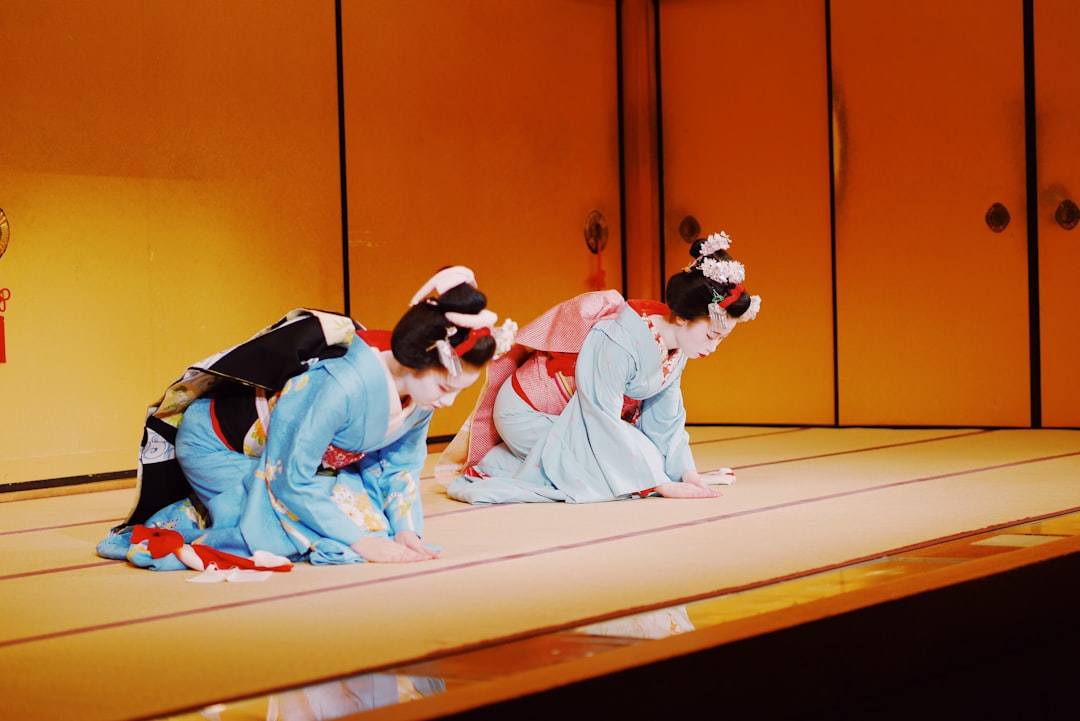
Bowing remains the cornerstone of Japanese etiquette, though handshakes are increasingly accepted for foreign visitors. The depth and duration of your bow conveys different levels of respect and formality. For tourists, a slight bow of about 15 degrees is appropriate for most situations, including thanking shopkeepers, greeting hotel staff, or expressing gratitude.
When receiving business cards or gifts, accompany your acceptance with a bow. If someone bows to you, reciprocate with a similar depth—this shows mutual respect. Avoid bowing while walking or in cramped spaces where you might bump into others. In formal situations like visiting temples or meeting elders, a deeper bow of 30 degrees shows proper reverence.
When Not to Bow
Modern Japan recognizes that foreign visitors may not be familiar with all bowing protocols. Don’t stress if you forget to bow—a sincere ‘arigatou gozaimasu’ (thank you very much) with a smile is always appreciated. Avoid bowing while holding drinks, food, or when it would create safety concerns on crowded trains or escalators.
Dining Etiquette: Navigating Japanese Food Culture
Japanese dining etiquette reflects deep cultural values around gratitude, cleanliness, and respect for food. Before eating, say ‘itadakimasu’ (I gratefully receive) with hands pressed together. After finishing, say ‘gochisousama deshita’ (it was a feast) to express appreciation.
Chopstick etiquette is crucial: never stick chopsticks vertically in rice (resembles funeral incense), don’t pass food chopstick-to-chopstick (associated with funeral rites), and avoid pointing with chopsticks. Rest chopsticks on the provided holder or across your bowl. When sharing dishes, use the opposite end of your chopsticks or serving utensils if provided.
Slurping and Other Table Manners
Contrary to Western etiquette, slurping noodles is not only acceptable but encouraged—it shows appreciation and helps cool hot noodles. However, avoid slurping other foods or making excessive noise while eating rice or side dishes.
Pour drinks for others rather than yourself; this gesture of service is highly valued. Wait for others to fill your glass. In business or formal settings, always pour for your seniors or guests first. When someone pours for you, hold your glass with both hands as a sign of respect.
Public Transportation Etiquette
Japan’s efficient public transportation system operates on strict etiquette guidelines that ensure smooth travel for millions of daily commuters. As of 2026, IC cards like Suica and Pasmo offer enhanced foreign visitor compatibility, making travel easier while expectations for proper behavior remain high.
Queue orderly for trains and allow passengers to exit before boarding. Move to the center of train cars during rush hours to maximize space. Keep conversations quiet and switch phones to silent mode—talking on phones during train rides is considered extremely rude. Offer priority seats to elderly passengers, pregnant women, and those with disabilities.
Luggage and Space Awareness
Large luggage can be problematic on crowded trains. Consider using luggage delivery services (takuhaibin) to send bags ahead to hotels. If carrying bags, place them on overhead racks or between your legs, never on seats. Be mindful of your spatial footprint and avoid blocking aisles or doors.
Eating and drinking on local trains is generally discouraged, though it’s acceptable on long-distance trains like the shinkansen. Always clean up after yourself and take trash with you, as public garbage bins are scarce.
Shopping and Payment Etiquette
Japanese retail culture emphasizes exceptional customer service and respectful interaction. Staff will often bow and use polite language—reciprocate their courtesy with appreciation. When paying, place money or cards in the small tray provided rather than handing directly to cashiers.
As of 2026, Japan’s 10% consumption tax applies to most purchases, with tax-free shopping available for foreign tourists spending over ¥5,000 at participating stores. Bring your passport for tax-free purchases and follow store procedures for documentation.
Bargaining and Tipping
Bargaining is not customary in Japan except at some flea markets or antique shops. Prices are generally fixed and fair. Tipping is unnecessary and can even cause confusion or offense—excellent service is standard expectation, not something requiring extra payment. This applies to restaurants, taxis, hotels, and all service industries.
Temple and Shrine Etiquette
Religious sites require special respect and specific protocols. At Shinto shrines, bow before passing through torii gates and purify yourself at the temizuya (water basin) by rinsing hands and mouth with the provided ladles. Never drink directly from the spout or touch the ladle to your lips.
At the main shrine, toss a coin into the offering box, bow twice, clap twice, make a silent prayer, then bow once more. At Buddhist temples, the ritual differs: offer a coin, put hands together in prayer position without clapping, and bow.
Photography and Behavior
Check for photography restrictions, as many temples and shrines prohibit photos in certain areas. Speak in hushed tones and avoid disruptive behavior. Remove hats when entering temple buildings and follow any specific instructions from temple staff. Some temples charge entry fees—pay respectfully and follow designated paths.
Accommodation Etiquette
Whether staying in hotels, ryokan, or other accommodations, specific etiquette applies. Remove shoes when entering traditional accommodations and wear provided slippers. Different slippers are often provided for toilets—never wear these outside the bathroom.
In ryokan, staff may enter your room to set up futon bedding. This is normal service—don’t be alarmed. Follow bath house etiquette strictly: wash thoroughly before entering communal baths, never bring towels into the bath water, and maintain quiet, respectful behavior.
Communication and Language Etiquette
While English proficiency has improved in tourist areas as of 2026, learning basic Japanese phrases shows respect and often leads to warmer interactions. Master essential phrases: ‘konnichiwa’ (hello), ‘arigatou gozaimasu’ (thank you), ‘sumimasen’ (excuse me/sorry), and ‘eigo ga dekimasu ka?’ (do you speak English?).
Speak slowly and clearly when using English, avoiding slang or complex expressions. Many Japanese people understand more English than they speak, so be patient and encouraging. Use translation apps when needed, but always attempt basic Japanese greetings first.
Non-Verbal Communication
Japanese communication relies heavily on non-verbal cues and reading situations. Maintain appropriate personal space and avoid excessive hand gestures or loud voices. Direct eye contact, while acceptable, shouldn’t be prolonged. A gentle smile and polite demeanor go far in establishing positive interactions.
Money and Banking Etiquette
Japan remains largely cash-based despite increasing digital payment acceptance. Handle money respectfully—Japanese currency is kept clean and unfolded. When receiving change, accept it with both hands and count it discretely if needed, though errors are extremely rare.
ATMs that accept foreign cards are widely available at convenience stores, post offices, and major banks. The Japan Post Bank and 7-Eleven ATMs offer reliable international card access. Always have cash backup, especially when visiting rural areas or smaller establishments.
Social Interaction Etiquette
Japanese social interactions prioritize harmony and face-saving for all parties. Avoid confrontational behavior or public displays of frustration. If problems arise, approach resolution calmly and respectfully. Raising your voice or showing anger publicly is counterproductive and embarrassing for everyone involved.
Respect personal space and avoid physical contact beyond handshakes or slight shoulder touches in crowded areas. Public displays of affection should be minimal—holding hands is acceptable, but kissing or embracing should be private.
Gift-Giving Etiquette
If invited to someone’s home, bring a small gift (omiyage) such as sweets from your home country or quality items from department stores. Present gifts with both hands and expect them to be opened later, not immediately. Avoid giving sets of four items, as the number four is considered unlucky.
Technology and Digital Etiquette
As of 2026, Japan has embraced digital technology while maintaining traditional courtesy standards. Keep phones on silent in public spaces and avoid talking on phones in trains, restaurants, or other shared spaces. Text messaging and quiet smartphone use is acceptable.
When photographing, be mindful of privacy and cultural sensitivities. Never photograph people without permission, especially in traditional clothing or during religious practices. Some areas prohibit photography entirely—respect all signage and verbal instructions.
Seasonal and Regional Considerations
Japanese etiquette can vary slightly by region and season. During cherry blossom season, respect hanami (flower viewing) spaces and clean up completely after picnics. Summer festivals have specific protocols for participating respectfully in traditional celebrations.
Regional dialects and customs exist throughout Japan. What’s standard in Tokyo might differ slightly in Kyoto or Osaka. Observe local behavior and follow the lead of those around you. When in doubt, err on the side of extra politeness and formality.
Understanding and practicing Japanese etiquette as a traveler in 2026 demonstrates cultural respect and enhances your experience immeasurably. These guidelines aren’t rigid rules but expressions of consideration for others—the foundation of Japanese society. Your efforts to follow local customs will be noticed and appreciated, opening doors to authentic cultural exchanges and memorable travel experiences. Remember, perfection isn’t expected from foreign visitors, but sincere effort to be respectful always is.