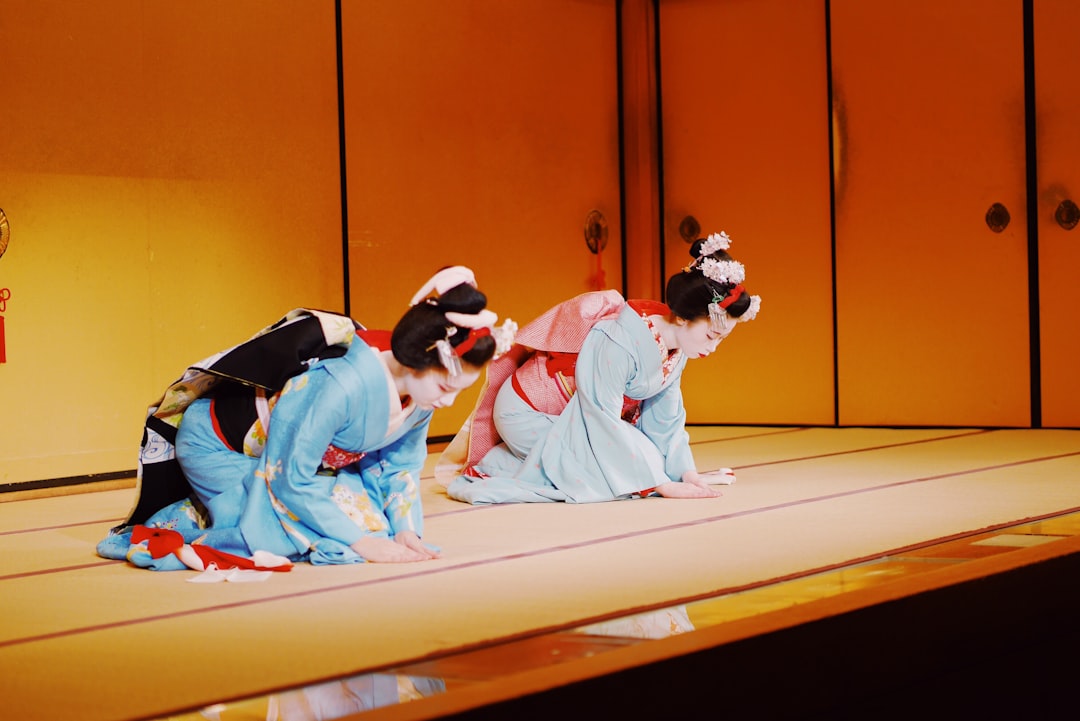

Photo by wang xi on Unsplash
Traveling to Japan in 2026 offers an incredible opportunity to experience one of the world’s most culturally rich destinations. However, understanding Japanese etiquette is crucial for showing respect to local customs and ensuring your visit goes smoothly. This comprehensive guide will help you navigate the social norms and cultural expectations that make Japan such a unique and harmonious society.
Why Japanese Etiquette Matters for Travelers
Japan operates on a foundation of mutual respect, consideration for others, and maintaining social harmony. What might seem like minor oversights to visitors can be perceived as disrespectful by locals. By following proper etiquette, you’ll not only show respect for Japanese culture but also receive warmer welcomes and more positive interactions throughout your journey.
As Japan continues to welcome international visitors in 2026 following the post-pandemic tourism recovery, demonstrating cultural awareness has become even more appreciated by locals who take pride in sharing their traditions with respectful travelers.
Bowing: The Foundation of Japanese Politeness
Bowing remains one of Japan’s most fundamental forms of greeting and showing respect. As a traveler, you don’t need to master every nuance, but understanding the basics will serve you well:
- Light bow (15 degrees): Used for casual greetings, saying thank you, or acknowledging service staff
- Medium bow (30 degrees): Appropriate when meeting someone for the first time or expressing gratitude
- Deep bow (45+ degrees): Reserved for formal situations or serious apologies
Don’t worry about perfect angles – the gesture of respect is what matters most. Many Japanese people will offer handshakes to foreign visitors, but initiating with a slight bow shows cultural awareness and is always appreciated.
Public Transportation Etiquette
Japan’s public transportation system is renowned for its efficiency and quietude. Following these guidelines will help you blend in seamlessly:
Train and Subway Behavior
- Keep conversations quiet: Phone calls are strongly discouraged, and conversations should be in hushed tones
- Priority seating: Silver seats are reserved for elderly, pregnant, or disabled passengers
- Boarding etiquette: Always allow passengers to exit before boarding
- Backpack courtesy: Remove your backpack and hold it in front of you or place it on overhead racks
- No eating: Avoid eating on local trains, though it’s acceptable on long-distance trains like the shinkansen
When using IC cards like Suica or Pasmo in 2026, foreign visitors can now easily purchase and reload these cards using the updated multilingual interfaces available at most stations. The latest card readers also accept international contactless payments, making transportation even more convenient.
Escalator Rules
Stand on the left side of escalators in Tokyo and most of Japan, keeping the right side clear for people who want to walk. In Osaka, the convention is reversed – stand on the right, walk on the left.
Dining Etiquette and Table Manners
Japanese dining culture encompasses centuries of tradition. Here are the essential rules every traveler should know:
Chopstick Etiquette
- Never stick chopsticks upright in rice: This resembles incense at funeral rituals
- Don’t pass food chopstick to chopstick: This also relates to funeral customs
- Rest chopsticks properly: Use the chopstick rest or lay them across your bowl
- Don’t point or gesture with chopsticks: This is considered rude
General Dining Customs
Before eating, say “itadakimasu” (I humbly receive) and “gochisousama” (thank you for the meal) when finished. It’s perfectly acceptable to slurp noodles – it’s actually considered a sign of enjoyment and helps cool the noodles.
When dining in groups, wait for everyone to be served before beginning to eat. If drinking alcohol, never pour your own drink – pour for others and allow them to pour for you.
Tipping Culture
Tipping is not customary in Japan and can actually be considered offensive. Exceptional service is expected as standard, and attempting to tip may confuse or embarrass service staff. Instead, express gratitude verbally or with a bow.
Shopping and Payment Etiquette
Shopping in Japan involves specific customs that show respect for both merchandise and staff:
- Handle items carefully: Don’t roughly handle merchandise, especially books, clothing, or electronics
- Money tray etiquette: Place cash on the small tray provided rather than directly in the cashier’s hand
- Plastic bag consideration: As of 2026, many stores charge for plastic bags as part of environmental initiatives, so consider bringing a reusable bag
For tax-free shopping, the consumption tax remains at 10% as of 2026. Foreign tourists can claim tax exemptions on purchases over ¥5,000 at participating stores by presenting their passport and temporary visitor stamp.
Accommodation Etiquette
Hotels and Ryokan
Whether staying in modern hotels or traditional ryokan, certain etiquette rules apply:
- Shoe removal: Remove shoes when entering tatami mat areas
- Ryokan dining: Meals are often served at specific times – punctuality is important
- Onsen etiquette: Wash thoroughly before entering hot spring baths, and never wear swimwear
- Quiet hours: Be mindful of noise levels, especially in traditional accommodations with thin walls
Temple and Shrine Etiquette
Visiting Japan’s sacred spaces requires particular respect and awareness:
Shrine Etiquette
- Bow before entering: Bow slightly before passing through the torii gate
- Purification ritual: Use the ladle at the purification fountain to rinse hands and mouth
- Prayer protocol: Bow twice, clap twice, make your wish, then bow once more
- Photography: Ask permission before photographing people or sacred areas
Temple Etiquette
Buddhist temples may have different customs than Shinto shrines. Remove hats and sunglasses, speak quietly, and follow any specific instructions posted in English.
Communication and Social Interaction
Effective communication in Japan extends beyond language:
- Business card etiquette: Receive business cards with both hands and study them briefly before carefully putting them away
- Personal space: Maintain appropriate physical distance and avoid excessive gesturing
- Gift giving: If bringing omiyage (souvenirs), present them with both hands and a slight bow
- Apologizing: When in doubt, “sumimasen” (excuse me/sorry) is a versatile phrase that shows politeness
Technology and Photography Etiquette
In 2026, Japan’s relationship with technology and privacy remains highly respectful:
- Photography consent: Always ask permission before photographing people, especially in traditional dress
- No flash in temples: Many sacred spaces prohibit photography entirely
- Quiet phone use: Keep phones on silent in public spaces and avoid calls on public transportation
- Social media consideration: Be mindful when posting location-specific content that might reveal private spaces
Seasonal Etiquette Considerations
Japanese etiquette can vary slightly by season:
- Cherry blossom season: Hanami parties require cleanup – take all trash with you
- Summer festivals: Follow crowd flow and don’t push to get better views
- Winter illuminations: Be patient with photo opportunities and don’t block pathways
Common Etiquette Mistakes to Avoid
Even well-intentioned travelers can make cultural missteps. Avoid these common mistakes:
- Wearing shoes in homes, some restaurants, or temples
- Blowing your nose in public
- Pointing with your finger
- Being loud or boisterous in public spaces
- Ignoring queuing systems
- Touching people casually or without permission
Emergency Etiquette
Even in emergencies, maintaining composure is valued in Japanese culture. Speak calmly, bow slightly when asking for help, and use “tasukete kudasai” (please help me) if you need assistance.
Understanding and practicing Japanese etiquette as a traveler in 2026 demonstrates respect for the culture you’re visiting and enhances your overall experience. While locals are generally forgiving of honest mistakes by foreign visitors, making an effort to follow these customs will earn you deeper respect and potentially open doors to more authentic cultural experiences. Remember that etiquette is about showing consideration for others – a universal value that transcends cultural boundaries.