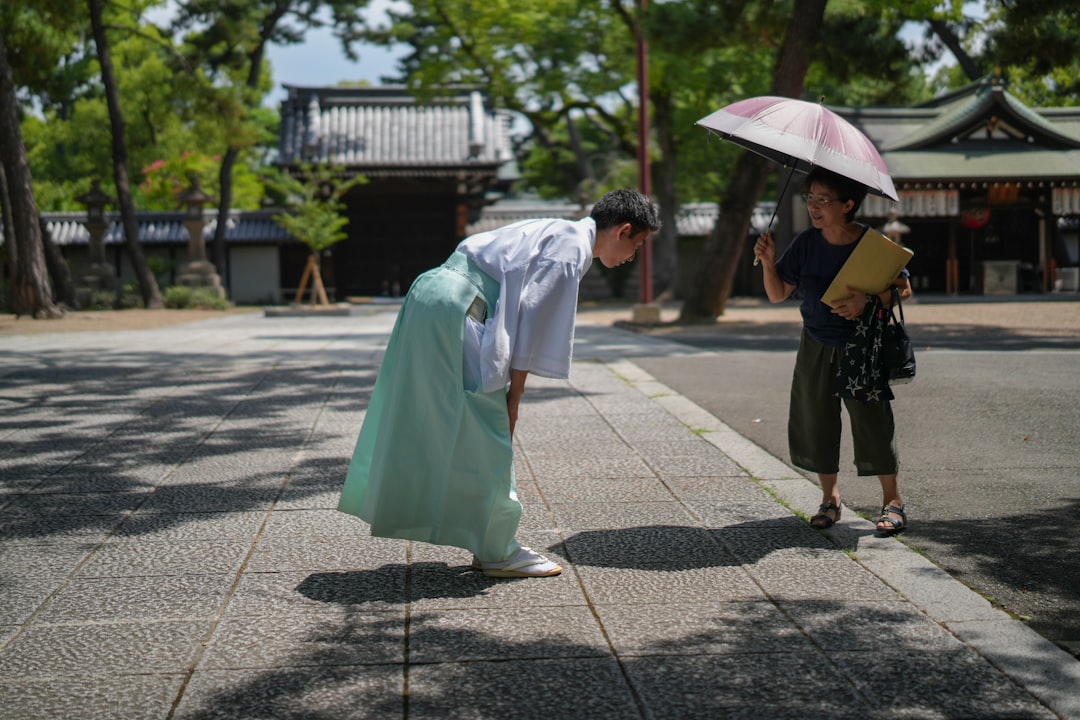

Photo by Buddy AN on Unsplash
Traveling to Japan in 2026 requires more than just knowing the best sights to see—understanding Japanese etiquette is crucial for a respectful and enriching experience. Japan’s deeply rooted cultural traditions and social norms continue to play a vital role in daily interactions, and foreign visitors who demonstrate cultural awareness will find their journey significantly more rewarding.
Why Japanese Etiquette Matters for Travelers
Japanese society values harmony, respect, and consideration for others above individual expression. This cultural foundation, known as “wa” (和), influences everything from how people behave on trains to business interactions. As a traveler, demonstrating your understanding of these customs shows respect for the culture and often results in warmer receptions from locals.
The good news is that Japanese people are generally understanding of foreign visitors’ cultural differences. However, making an effort to follow basic etiquette guidelines will enhance your experience and help you avoid unintentionally offensive situations.
Bowing: The Art of Japanese Greetings
Bowing remains the traditional form of greeting in Japan, though handshakes are becoming more common in international business settings. As a foreign traveler, you don’t need to master the complex hierarchy of bowing angles, but understanding the basics will serve you well.
Basic Bowing Guidelines
- Casual bow (15 degrees): Use for everyday greetings, saying thank you, or light apologies
- Respectful bow (30 degrees): Appropriate for hotel staff, restaurant workers, or when receiving service
- Deep bow (45 degrees): Reserved for formal situations or sincere apologies
When bowing, keep your hands at your sides, maintain eye contact before bowing, and hold the position for 1-2 seconds. If someone bows to you, reciprocate with a bow of equal or slightly lesser depth.
Public Transportation Etiquette
Japan’s efficient public transportation system operates on strict social codes that ensure comfort for all passengers. As of 2026, IC cards like Suica and Pasmo are fully compatible with foreign-issued cards, making travel easier than ever, but behavioral expectations remain unchanged.
Train and Subway Manners
- Queue properly: Stand in designated lines and wait for passengers to exit before boarding
- Give up priority seats: Offer seats to elderly, pregnant, or disabled passengers
- Keep noise levels low: Speak quietly or not at all, and set phones to silent mode
- Avoid phone calls: Texting is acceptable, but phone conversations are considered rude
- Remove backpacks: Take off large bags and hold them in front or place them overhead
- Don’t eat or drink: Avoid consuming food on local trains (long-distance trains are exceptions)
Station Etiquette
Walk on the left side of corridors and escalators, though some regions like Osaka prefer the right. Always have your IC card or ticket ready at gates, and don’t block pathways while checking maps or phones.
Restaurant and Dining Etiquette
Japanese dining culture encompasses numerous traditions that enhance the meal experience. Understanding these customs will help you navigate everything from street food stalls to high-end kaiseki restaurants.
Essential Dining Manners
- Wait to be seated: Don’t seat yourself unless it’s clearly a self-service establishment
- Use “itadakimasu”: Say this phrase before eating to show gratitude
- Chopstick etiquette: Never stick chopsticks vertically in rice, don’t pass food chopstick-to-chopstick, and don’t point with them
- Slurping is acceptable: Noodle slurping shows appreciation and helps cool the food
- Finish your meal: Leaving food suggests dissatisfaction with the quality
- Say “gochisousama”: Express gratitude after finishing your meal
Payment Etiquette
Tipping is not customary in Japan and can sometimes be offensive. As of 2026, the consumption tax remains at 10%, which is included in menu prices. Pay at the register rather than leaving money on the table, and place cash in the small tray provided rather than handing it directly to staff.
Shopping and Business Interactions
Japanese customer service, known as “omotenashi,” sets global standards for hospitality. Understanding how to interact appropriately with shop staff and business professionals will enhance your shopping experience.
Retail Etiquette
- Greet staff appropriately: A slight bow or nod acknowledges their welcome
- Handle merchandise carefully: Treat items with respect, especially in traditional craft shops
- Tax-free shopping: Foreign visitors can claim tax-free status on purchases over ¥5,000 at participating stores
- Cash is king: While card acceptance has improved significantly by 2026, cash remains preferred in many establishments
Business Card Exchange
If you’re traveling for business or receive business cards during your trip, follow the “meishi” protocol:
- Receive cards with both hands
- Read the card carefully before putting it away
- Place received cards respectfully on the table during meetings
- Never write on someone’s business card in their presence
Temple and Shrine Etiquette
Religious sites require special attention to etiquette, as these are active places of worship, not just tourist attractions.
Shrine Visiting Protocol
- Purification ritual: Wash hands and rinse mouth at the temizuya (water basin)
- Proper worship: Bow twice, clap twice, make your prayer, then bow once more
- Monetary offerings: Toss coins gently into the offering box
- Photography: Check for restrictions and never use flash near worship areas
Temple Etiquette
Buddhist temples have slightly different customs. Remove hats and sunglasses, speak quietly, and follow any specific instructions posted. Some temples charge entrance fees, while others accept donations.
Public Behavior and Social Norms
Japanese society values group harmony over individual expression, which influences public behavior expectations.
Street Etiquette
- No eating while walking: Find a place to sit or stand still when consuming food or drinks
- Smoking restrictions: Only smoke in designated areas, as public smoking laws have become stricter by 2026
- Garbage disposal: Carry trash with you, as public bins remain scarce
- Queue discipline: Wait your turn patiently in all situations
- Volume control: Keep conversations and phone calls quiet in public spaces
Photography Etiquette
Always ask permission before photographing people, avoid photos in certain areas like some shrine grounds or traditional neighborhoods, and be mindful of privacy in all situations.
Gift-Giving and Omiyage Culture
Gift-giving plays an important role in Japanese culture, and understanding “omiyage” (souvenir) customs can enhance your interactions with locals.
If staying with Japanese hosts or receiving special help from locals, consider bringing small gifts from your home country. Present gifts with both hands, and don’t be surprised if they’re not opened immediately—this shows respect for the gift.
Accommodation Etiquette
Whether staying in hotels, ryokan, or other accommodations, specific etiquette applies.
Hotel Etiquette
- Bow slightly when greeting hotel staff
- Keep rooms tidy and follow any specific instructions
- Use slippers provided for walking on tatami mats
- Thank staff verbally for their service
Ryokan Etiquette
Traditional inns require special attention:
- Remove shoes at the entrance and wear provided slippers
- Change into yukata (cotton kimono) if provided
- Follow onsen (hot spring) bathing protocols strictly
- Treat tatami mat floors with care
Modern Etiquette Updates for 2026
As of 2026, some etiquette norms have evolved with changing technology and social attitudes:
- Digital payments: More establishments accept contactless payments, but cash courtesy remains important
- Social media: Be extra cautious about posting photos of people or private spaces
- Environmental consciousness: Refuse unnecessary packaging when offered, as environmental awareness has increased
- Health considerations: Mask-wearing protocols may vary, so observe and follow local practices
When Mistakes Happen
Even with the best intentions, cultural missteps occur. The key phrases “sumimasen” (excuse me/sorry) and “gomen nasai” (I’m sorry) can help smooth over minor mistakes. Japanese people generally appreciate the effort to follow their customs and are forgiving of honest mistakes.
Remember that showing genuine respect and consideration for others is more important than perfect execution of every etiquette rule. Your sincere effort to understand and follow Japanese customs will be noticed and appreciated, making your 2026 Japan travel experience more meaningful and enjoyable.