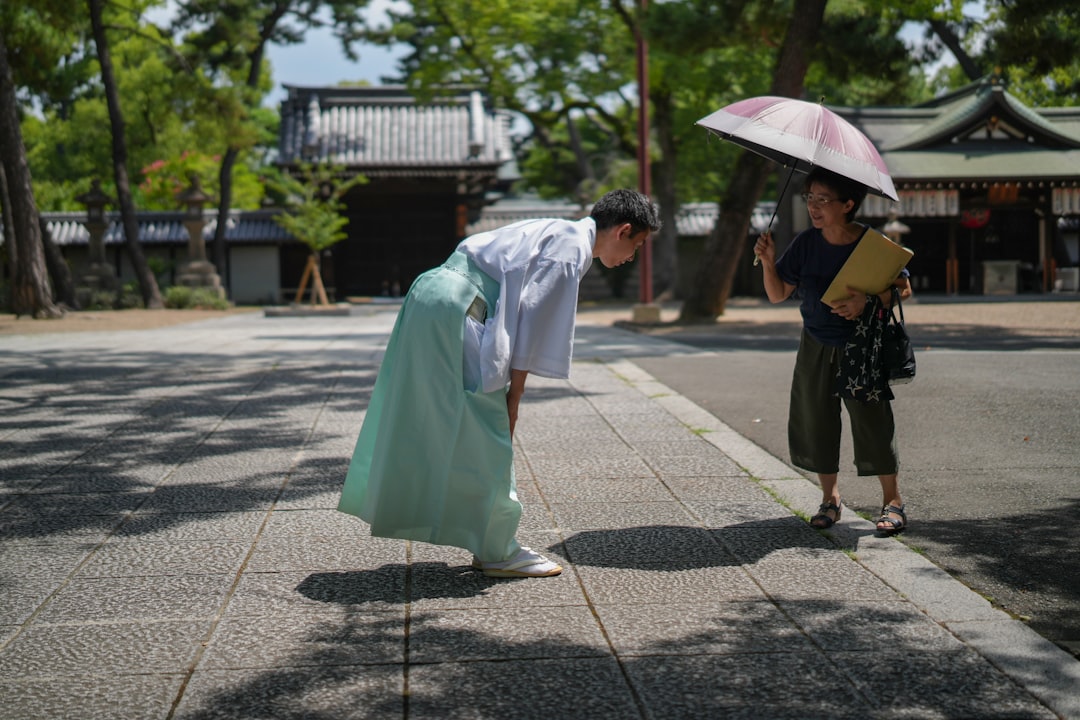

Photo by Buddy AN on Unsplash
Visiting Japan in 2026 offers an incredible opportunity to experience one of the world’s most fascinating cultures, but understanding proper Japanese etiquette is crucial for respectful and meaningful travel. As Japan continues to welcome international visitors post-pandemic, demonstrating cultural awareness through proper manners has become more important than ever for creating positive interactions with locals.
Understanding the Foundation of Japanese Etiquette
Japanese etiquette, or reigi, is deeply rooted in concepts of respect, harmony, and consideration for others. The principle of omotenashi (hospitality) that Japan is famous for extends both ways – while you’ll receive exceptional service, you’re also expected to show respect in return. This mutual respect forms the backbone of Japanese society and is essential for travelers to understand.
The concept of meiwaku (causing trouble or inconvenience to others) is particularly important. Japanese culture places tremendous emphasis on not disrupting group harmony or causing problems for others, which influences many social behaviors and expectations.
Essential Bowing and Greeting Etiquette
Bowing remains a fundamental aspect of Japanese interaction, though as a foreign visitor, you won’t be expected to master complex bowing protocols. A simple, respectful bow of about 15 degrees is appropriate for most situations. When greeting someone, a slight bow while saying “konnichiwa” (hello) or “arigatou gozaimasu” (thank you very much) shows respect and cultural awareness.
Handshakes are becoming more common in business settings and tourist areas, but let the Japanese person initiate. Many older individuals and those in traditional settings may prefer bowing. When in doubt, observe others around you and follow their lead.
Transportation Etiquette: Trains, Buses, and Taxis
Train and Subway Manners
Public transportation etiquette is particularly important in Japan’s crowded transit systems. As of 2026, IC cards like Suica and Pasmo have improved foreign visitor compatibility, making navigation easier, but proper behavior remains crucial.
Always queue in designated areas and allow passengers to exit before boarding. Priority seats near train doors are reserved for elderly, pregnant, or disabled passengers. Keep conversations quiet and avoid phone calls entirely – texting is acceptable. Remove backpacks and hold them in front of you to avoid hitting other passengers.
When using escalators, stand on the left side in Tokyo and eastern Japan, or the right side in Osaka and western Japan, allowing others to pass on the opposite side.
Taxi Etiquette
Taxi doors open and close automatically – don’t touch them. Sit in the back seat unless specifically invited to sit in front. Have your destination written in Japanese or use a translation app, as not all drivers speak English. Tipping is not expected and can cause confusion.
Dining Etiquette and Restaurant Behavior
Before and During Meals
Japanese dining etiquette has specific protocols that show respect for food and service. Before eating, say “itadakimasu” (literally “I humbly receive”) and after finishing, say “gochisousama deshita” (“it was a feast”). These phrases show gratitude for the meal and those who prepared it.
Never stick chopsticks upright in rice, as this resembles incense at funerals. Don’t pass food directly from chopsticks to chopsticks, and don’t point with chopsticks. When not using them, rest chopsticks on the provided rest or across your bowl.
It’s perfectly acceptable and even encouraged to slurp noodles – it shows appreciation and helps cool the noodles. However, avoid slurping other foods or drinks.
Restaurant Behavior
Wait to be seated rather than choosing your own table. Many restaurants provide wet towels (oshibori) for cleaning hands before eating. Some establishments may have specific rules about removing shoes or sitting on floor cushions – observe and follow local customs.
Tipping is not customary in Japan and can be considered rude. The service charge is included in your bill, and exceptional service is considered standard rather than deserving extra payment.
Shopping and Payment Etiquette
When shopping in 2026, Japan’s 10% consumption tax applies to most purchases, but tax-free shopping remains available for tourists spending over ¥5,000 at participating stores. Present your passport for tax-free purchases and keep receipts attached to your passport until departure.
Cash remains king in Japan, though card acceptance has improved significantly. When paying, place money or cards in the small tray provided rather than handing it directly to staff. This practice maintains personal space and shows respect.
Avoid haggling except at specific markets or second-hand shops where it’s expected. Prices are generally fixed, and attempting to negotiate can be seen as disrespectful.
Temple and Shrine Etiquette
Religious sites require special respect and behavior. At shrine entrances (torii gates), bow slightly before passing through. Use the purification fountain (temizuya) by rinsing your hands and mouth – take the ladle with your right hand, pour water over your left hand, switch hands and repeat, then rinse your mouth (don’t drink directly from the ladle).
Photography may be restricted in certain areas – look for signs and ask permission when uncertain. Dress modestly and speak quietly. At temples, remove hats and sunglasses when entering buildings. Some temples and shrines may charge entrance fees – pay respectfully and keep receipts if required.
Hotel and Accommodation Etiquette
Traditional Accommodations
If staying at a ryokan (traditional inn), specific protocols apply. Remove shoes at the entrance and wear provided slippers. Remove slippers before stepping on tatami mats. Yukata (cotton robes) should be worn with the left side over the right – right over left is reserved for the deceased.
Onsen (hot spring) etiquette requires thorough washing before entering the bath. No clothing or towels are allowed in the water. Use the small towel for modesty but don’t let it touch the water.
Western-Style Hotels
Even in Western hotels, some Japanese customs apply. Speak quietly in hallways and elevators. Some hotels provide slippers for room use – wearing outdoor shoes inside rooms is often discouraged.
Social Interaction and Communication
Japanese communication tends to be indirect and subtle. “Maybe” or “I’ll consider it” often means “no” delivered politely. Don’t press for direct answers if someone seems hesitant. Maintaining face (dignity) for all parties is crucial.
Personal space is highly valued. Avoid excessive physical contact, loud behavior, or invasive questions. Japanese people may seem reserved but are often extremely helpful when approached respectfully.
Learn basic phrases like “sumimasen” (excuse me/sorry), “arigatou gozaimasu” (thank you very much), and “onegaishimasu” (please). Effort to speak Japanese, however limited, is greatly appreciated.
Modern Etiquette Considerations for 2026
As of 2026, certain etiquette practices have evolved with technology and global influence. Mobile phone manners remain strict – keep devices on silent mode in public spaces and avoid calls on trains. Photography etiquette has become more complex with social media – always ask permission before photographing people and be mindful of privacy in crowded areas.
Environmental consciousness has increased, with many establishments encouraging eco-friendly practices. Bringing your own chopsticks, refusing plastic bags, and properly separating trash shows cultural awareness and environmental responsibility.
Business Card and Gift Etiquette
If conducting business or receiving business cards (meishi), treat them with respect. Receive cards with both hands, read them carefully, and place them respectfully on the table during meetings. Never write on business cards or place them in back pockets.
Gift-giving (omiyage) is common when visiting someone’s home or workplace. Bring something small from your home country or region. Present gifts with both hands and expect them to be opened later, not immediately in your presence.
Seasonal and Regional Considerations
Japanese etiquette can vary by season and region. During cherry blossom season, hanami parties have specific protocols for sharing space in parks. Summer festivals require understanding of crowd behavior and shrine etiquette. Winter illuminations and holiday seasons may have different photography and behavior expectations.
Regional differences exist between Tokyo’s fast-paced culture and Kyoto’s traditional atmosphere. Research specific regional customs for your destinations, as Okinawan culture differs significantly from mainland Japan, and rural areas may have different expectations than urban centers.
Understanding and practicing proper Japanese etiquette transforms your travel experience from simple tourism to meaningful cultural exchange. By showing respect for local customs, you’ll receive warmer welcomes, have more authentic interactions, and contribute positively to Japan’s tourism industry. Remember that perfection isn’t expected – genuine effort and respect for Japanese culture are what matter most to your hosts.