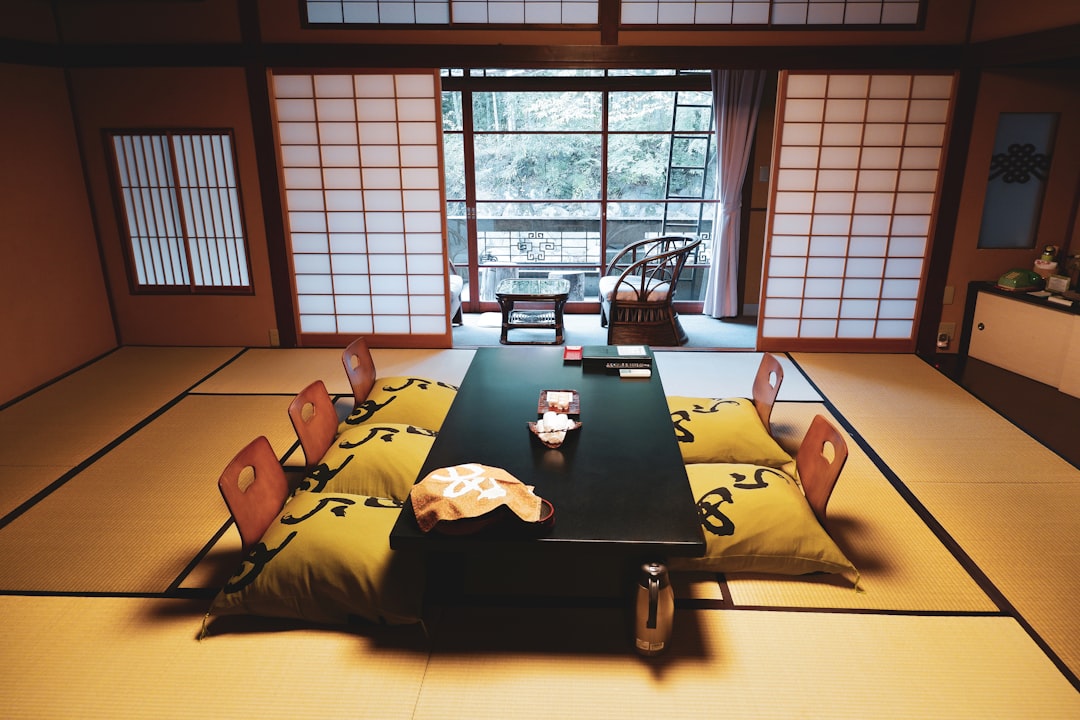

Photo by Susann Schuster on Unsplash
A traditional ryokan experience represents the heart of Japanese hospitality, offering travelers an authentic glimpse into centuries-old customs and refined service. These traditional inns, with their tatami-matted rooms, communal hot spring baths, and meticulously prepared kaiseki meals, provide an immersive cultural journey that connects visitors to Japan’s rich heritage.
What is a Traditional Ryokan?
A ryokan is a type of traditional Japanese inn that has been serving travelers for over a thousand years. Originally established along ancient travel routes during the Nara period (710-794), these accommodations evolved from simple rest stops into sophisticated establishments that embody the essence of Japanese omotenashi (hospitality).
Unlike modern hotels, ryokans emphasize the total experience rather than just providing a place to sleep. Every aspect, from the architectural design to the seasonal menu, is carefully curated to create harmony between guests and their surroundings. The buildings typically feature natural materials like wood, paper, and stone, with rooms that open onto carefully manicured gardens.
Key Elements of a Ryokan Experience
Traditional Room Design
Ryokan rooms showcase minimalist Japanese aesthetics with tatami mat flooring, sliding shoji paper doors, and low wooden furniture. The centerpiece is often a tokonoma (alcove) displaying seasonal flowers or calligraphy scrolls. Guests sleep on futon bedding laid directly on the tatami mats, which staff arrange each evening while guests enjoy dinner.
The rooms typically feature a low table where meals are served, comfortable zabuton cushions for seating, and yukatas (cotton robes) for guests to wear throughout their stay. Large windows or sliding doors usually offer views of traditional gardens, creating a seamless connection with nature.
Onsen and Bathing Culture
Most traditional ryokans feature natural hot spring baths called onsen, fed by geothermally heated water rich in minerals. These therapeutic waters are believed to provide numerous health benefits, from improved circulation to softer skin. The bathing experience follows specific etiquette that reflects Japanese values of cleanliness and respect.
Before entering the communal baths, guests must thoroughly wash and rinse their bodies at individual washing stations. The onsen experience encourages relaxation and meditation, often accompanied by scenic outdoor settings or elegant indoor designs featuring natural stone and wood.
Kaiseki Dining Experience
The culinary experience at a traditional ryokan centers around kaiseki, a multi-course meal that represents the pinnacle of Japanese cuisine. These elaborate dinners showcase seasonal ingredients prepared using traditional techniques passed down through generations. Each dish is artfully presented to reflect the current season and harmonize with the natural surroundings.
A typical kaiseki meal includes an appetizer, clear soup, sashimi, grilled dish, simmered dish, rice course, and dessert. The ingredients are sourced locally when possible, and the presentation emphasizes natural beauty and seasonal themes. Breakfast typically features traditional Japanese dishes including grilled fish, miso soup, rice, pickled vegetables, and tamagoyaki (rolled omelet).
Types of Traditional Ryokans
Historic Ryokans
Some ryokans have operated continuously for centuries, maintaining their original architectural features and family ownership. These establishments offer the most authentic experience, with buildings that may be designated as cultural properties. Examples include establishments that have hosted famous historical figures or maintained traditional construction techniques.
Hot Spring Resort Ryokans
Located in renowned onsen destinations throughout Japan, these ryokans combine traditional hospitality with therapeutic hot spring experiences. Popular regions include Hakone, Atami, Beppu, and Kusatsu, each offering unique mineral compositions and scenic settings.
Temple Lodgings (Shukubo)
Buddhist temples that offer overnight accommodations provide a spiritual dimension to the traditional inn experience. Guests may participate in morning prayers, meditation sessions, and enjoy vegetarian Buddhist cuisine called shojin ryori.
Ryokan Etiquette and Customs
Arrival and Check-in
Upon arrival, guests typically remove their shoes at the entrance and are greeted with oshibori (hot towels) and welcome tea. Staff members, often wearing traditional kimonos, escort guests to their rooms and explain the facilities and meal times. This personal attention sets the tone for the entire stay.
Wearing Yukata
Guests are encouraged to wear the provided yukata throughout the ryokan, including when walking in corridors, visiting the onsen, and dining. The proper way to wear a yukata involves wrapping the left side over the right (never right over left, which is reserved for funeral attire) and securing it with the provided obi sash.
Meal Etiquette
Dinner and breakfast are typically served in guest rooms or private dining areas at scheduled times. Guests should arrive punctually and wait for staff to explain each course. Traditional Japanese table manners apply, including saying “itadakimasu” before eating and “gochisousama” after finishing the meal.
Planning Your Ryokan Stay
Choosing the Right Ryokan
Consider factors such as location, budget, amenities, and level of traditional atmosphere when selecting a ryokan. Some cater specifically to international guests with English-speaking staff and modified menus, while others maintain strictly traditional practices that may challenge first-time visitors.
Research the ryokan’s history, guest reviews, and specific features like private onsen, garden views, or cultural activities. Luxury ryokans offer premium services and exclusive experiences, while more modest establishments provide authentic atmospheres at accessible prices.
Booking Considerations
Traditional ryokans typically require advance reservations, especially during peak seasons like cherry blossom time, autumn foliage season, and national holidays. Many establishments have minimum stay requirements and specific check-in times that accommodate meal service schedules.
International travelers should verify language services, dietary accommodation options, and payment methods accepted. Some ryokans work with booking agencies that specialize in traditional accommodations and can provide translation services.
What to Expect During Your Stay
A typical ryokan experience begins with arrival in the late afternoon, followed by time to settle in and explore the facilities. Guests often enjoy the onsen before dinner, which is usually served around 6:00 or 7:00 PM. Evening activities might include strolling in the gardens or participating in cultural demonstrations.
Morning begins early with optional onsen bathing before a traditional Japanese breakfast served around 8:00 AM. Check-out typically occurs by 10:00 AM, allowing time for final onsen visits and souvenir shopping.
Best Regions for Ryokan Experiences
Hakone
Located near Mount Fuji, Hakone offers numerous hot spring ryokans with stunning mountain views. The region features various types of mineral-rich waters and provides easy access from Tokyo, making it popular among both domestic and international travelers.
Kyoto
Traditional ryokans in Kyoto emphasize cultural refinement and historical atmosphere. Many are located in historic districts like Gion or near famous temples, offering guests the opportunity to experience traditional architecture alongside the city’s cultural treasures.
Takayama
This mountainous region in Gifu Prefecture features ryokans that showcase rural Japanese culture and mountain cuisine. The area is known for Hida beef, sake brewing, and traditional crafts, providing a comprehensive cultural experience.
Modern Adaptations and Accessibility
Contemporary ryokans often blend traditional elements with modern conveniences to accommodate diverse guest preferences. Some offer Western-style rooms alongside traditional accommodations, modified menus for dietary restrictions, and multilingual services for international visitors.
However, travelers seeking the most authentic experience should be prepared for certain limitations, including shared bathroom facilities, floor seating, and fixed meal times. These elements are integral to the traditional ryokan experience and reflect centuries of Japanese cultural development.
Making the Most of Your Ryokan Experience
To fully appreciate a traditional ryokan stay, approach it with openness to new experiences and respect for Japanese customs. Embrace the slower pace, participate in the bathing rituals, and savor the carefully prepared meals. Take time to appreciate the seasonal decorations, garden views, and architectural details that reflect the establishment’s dedication to creating harmony between guests and their environment.
Document your experience through photography while being mindful of other guests’ privacy, especially in onsen areas where photography is typically prohibited. Many ryokans offer cultural activities such as tea ceremony demonstrations, flower arranging, or traditional craft workshops that enhance the overall experience.
A traditional ryokan experience offers an unparalleled opportunity to connect with Japanese culture, history, and hospitality traditions that have been refined over centuries. Whether seeking relaxation, cultural immersion, or culinary adventure, these timeless establishments provide memories that last a lifetime while supporting the preservation of Japan’s invaluable cultural heritage.