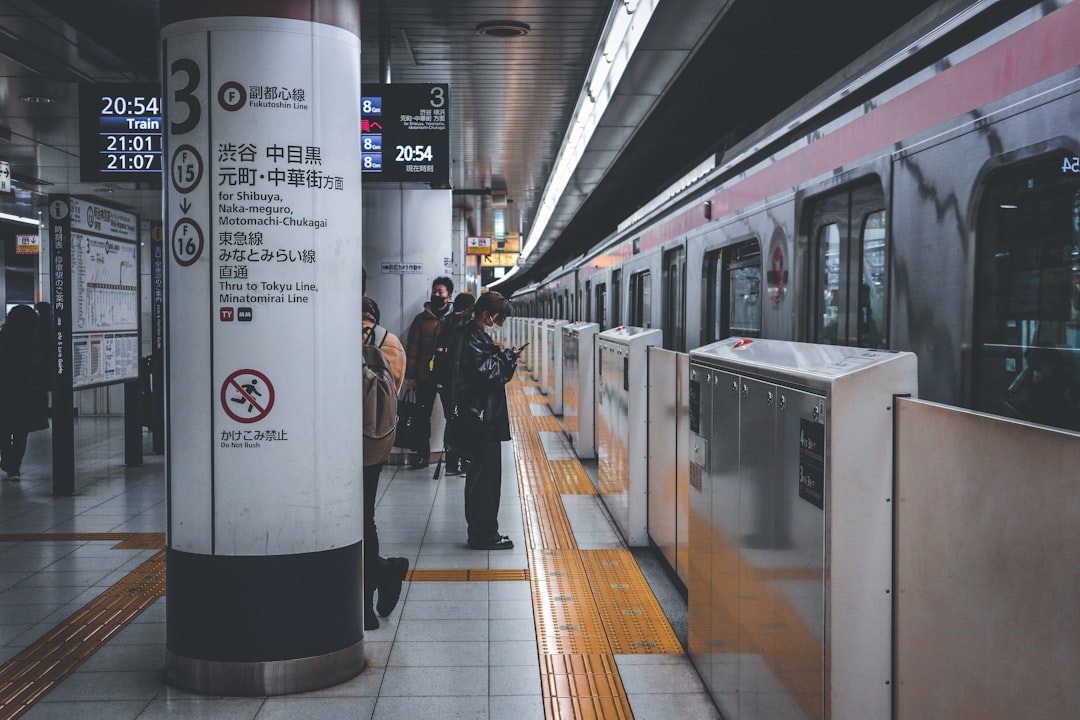

Photo by BREAKIFY on Unsplash
Navigating Tokyo’s extensive subway system can feel overwhelming for first-time visitors, but with the right knowledge and preparation, you’ll be moving through the city like a local in no time. As of 2026, Tokyo’s subway network has become even more efficient and foreigner-friendly, with enhanced digital services and improved IC card compatibility that make traveling seamless for international visitors.
Tokyo’s subway system is one of the world’s most comprehensive and punctual transportation networks, serving over 40 million passengers daily across its interconnected web of lines. Understanding how to navigate this system effectively will not only save you time and money but also unlock access to every corner of this incredible metropolis.
Understanding Tokyo’s Subway Network Structure
Tokyo’s rail system consists of three main operators that work together to create a unified network. The Tokyo Metro operates nine lines including the Ginza, Marunouchi, and Hibiya lines, primarily serving central Tokyo. The Toei Subway, operated by the Tokyo Metropolitan Government, runs four lines including the Asakusa and Oedo lines. Additionally, JR East operates the Yamanote Line and other JR lines that connect seamlessly with the subway network.
Each line is color-coded and numbered for easy identification. For example, the Ginza Line is represented by orange and coded as ‘G’, while stations are numbered sequentially (G01, G02, etc.). This system makes navigation intuitive even for those who don’t read Japanese.
The network operates with remarkable precision, with trains typically arriving within 2-3 minutes of schedule. During rush hours (7:30-9:30 AM and 5:30-7:30 PM), trains run every 2-4 minutes, while off-peak service maintains 5-10 minute intervals.
IC Cards: Your Key to Seamless Travel in 2026
As of 2026, IC cards have become the most convenient way to navigate Tokyo’s subway system. The two main cards, Suica and Pasmo, are now fully compatible with foreign-issued contactless payment cards, making them accessible to international visitors without requiring a Japanese bank account.
You can purchase IC cards at any station ticket machine, with a minimum charge of ¥1,000 (including a ¥500 refundable deposit). The cards can be topped up in increments from ¥500 to ¥10,000. Most ticket machines now feature English, Chinese, and Korean language options, with some stations offering additional languages.
The major advantage of IC cards extends beyond subway travel – they’re accepted at convenience stores, vending machines, and many restaurants throughout Tokyo. The cards also automatically calculate the lowest fare when transferring between different operators, ensuring you never overpay for your journey.
For visitors staying longer than a week, consider the mobile IC card options available through smartphone apps, which can be recharged using international credit cards and don’t require carrying a physical card.
Essential Subway Apps and Digital Tools
Technology has revolutionized subway navigation in Tokyo, with several apps providing real-time information and route planning. The official Tokyo Metro app offers comprehensive route planning, real-time delay information, and offline maps in multiple languages. It’s been significantly updated in 2026 with improved AI-powered route suggestions that consider crowd levels and transfer times.
Google Maps remains highly accurate for Tokyo subway navigation, providing step-by-step directions including which car to board for optimal station exits. The app integrates real-time delay information and suggests alternative routes during disruptions.
Hyperdia is particularly useful for complex journeys involving multiple transfers or travel to suburban areas. The app excels at showing fare information and travel times for different route options.
Most apps now include accessibility information, showing elevator and escalator locations for travelers with heavy luggage or mobility requirements.
Reading Station Signs and Maps
Tokyo subway stations use a comprehensive signage system designed for international accessibility. All major signs include Japanese, English, and often Chinese and Korean text. Station names are displayed using the line color coding system, with large letter-number combinations (like M09 for Ginza station on the Marunouchi line) that make identification simple regardless of language barriers.
Platform signs indicate train destinations using both the final station name and key stops along the route. Look for LED displays above platform edges that show the next train’s destination, arrival time, and number of cars. These displays have been upgraded in 2026 with more prominent English text and clearer color coding.
Exit signs use numbers and letters (like Exit A3 or Exit JR), and many stations now include QR codes that link to detailed exit maps showing nearby landmarks and buildings. This feature has been particularly helpful for navigating Tokyo’s complex multi-level stations.
Mastering Transfers and Connections
Efficient transfers are key to navigating Tokyo’s subway system effectively. When planning routes involving transfers, allow 5-10 minutes for simple connections within the same station complex, and up to 15 minutes for transfers requiring longer walks or changes in elevation.
Major transfer stations like Shimbashi, Tokyo, and Shinjuku can be particularly complex, with multiple levels and dozens of exits. Follow the color-coded floor markings that guide you between different lines, and don’t hesitate to ask station staff for assistance – most speak basic English and are extremely helpful.
Some transfers require you to exit the paid area and re-enter, which means separate fares. However, IC cards automatically handle this calculation, and if you complete the transfer within 30 minutes, you’ll often receive a discount on the combined fare.
During rush hours, allow extra time for transfers as platforms and corridors become crowded. Consider timing your travel outside peak hours when possible for a more comfortable experience.
Etiquette and Cultural Considerations
Understanding subway etiquette is essential for a smooth Tokyo experience. Always allow passengers to exit before boarding, and move to the center of cars to make room for others. Priority seats near doors are reserved for elderly passengers, pregnant women, and those with disabilities – these are clearly marked and should be vacated when needed.
Talking on phones is strongly discouraged, and conversations should be kept quiet. Many passengers spend their commute time reading, using smartphones silently, or sleeping. Eating and drinking are generally acceptable, though strong-smelling foods should be avoided.
Large backpacks should be carried in front of your body or placed on overhead racks to avoid hitting other passengers. During rush hours, remove backpacks entirely and hold them at your side or between your feet.
Cost-Effective Travel Options
As of 2026, individual subway fares range from ¥170 to ¥320 depending on distance and operators involved. For tourists planning multiple days of extensive subway use, several pass options provide significant savings.
The Tokyo Metro 24-Hour Ticket (¥800) provides unlimited rides on all Tokyo Metro lines, while the Tokyo Metro and Toei Common Pass (¥1,200 for 24 hours) covers both subway operators. For longer stays, the 72-hour version (¥1,500) offers better value for extensive travel.
The Greater Tokyo Pass (¥1,590 for 24 hours) includes JR lines within Tokyo’s 23 special wards, making it ideal for comprehensive city exploration. This pass has been updated in 2026 to include additional bus routes and offers digital versions through smartphone apps.
Calculate your expected daily travel costs against pass prices – if you’ll take more than 4-5 subway rides per day, a pass typically provides savings plus the convenience of unlimited travel.
Accessibility and Special Needs
Tokyo’s subway system has made significant accessibility improvements, with most stations now featuring elevator access to all platforms. Station maps clearly indicate elevator locations, and staff can provide assistance for travelers with mobility challenges.
Many newer train cars include designated wheelchair spaces and priority seating areas. Audio announcements in Japanese and English announce upcoming stations, while visual displays show station information and transfer options.
For travelers with visual impairments, tactile paving guides passengers along platforms and to stairs, elevators, and exits. Most stations also feature audio guidance systems that can be activated using smartphone apps.
Common Challenges and Solutions
Even with preparation, subway navigation can present challenges. Getting lost in large stations is common – if this happens, look for station maps (found near every entrance and platform) or ask station staff wearing blue uniforms who can provide directions.
Train delays, while rare, do occur during weather events or technical issues. Apps with real-time information help identify alternative routes, and station staff often provide updates in English during significant disruptions.
Rush hour crowds can be intimidating, but remember that train frequency is very high during these periods. If a train is too crowded, the next one is usually just 2-3 minutes away. Don’t feel pressured to squeeze into an overcrowded car.
Missing your stop happens to everyone – simply exit at the next station and take a train back in the opposite direction. IC cards automatically adjust fares when you reverse direction quickly, so you won’t be charged extra for the correction.
Pro Tips for Subway Mastery
Download offline maps before your trip, as cellular coverage can be spotty in some underground areas. Most stations offer free WiFi, but having backup navigation tools ensures you’re never stranded.
Learn the locations of major transfer stations and final destination names for lines you’ll use frequently. This knowledge helps you quickly identify correct platforms and trains without constantly consulting maps.
Keep your IC card easily accessible in a dedicated pocket or card holder. Fumbling for cards at ticket gates creates delays and frustration for other passengers, especially during busy periods.
Consider purchasing a portable battery pack for your smartphone, as navigation apps can drain battery life quickly. Many subway stations have charging stations, but having backup power ensures uninterrupted access to digital maps and translation apps.
With these comprehensive guidelines and practical tips, you’ll be navigating Tokyo’s subway system with confidence, making the most of your time in this incredible city while traveling efficiently and respectfully alongside millions of daily commuters.