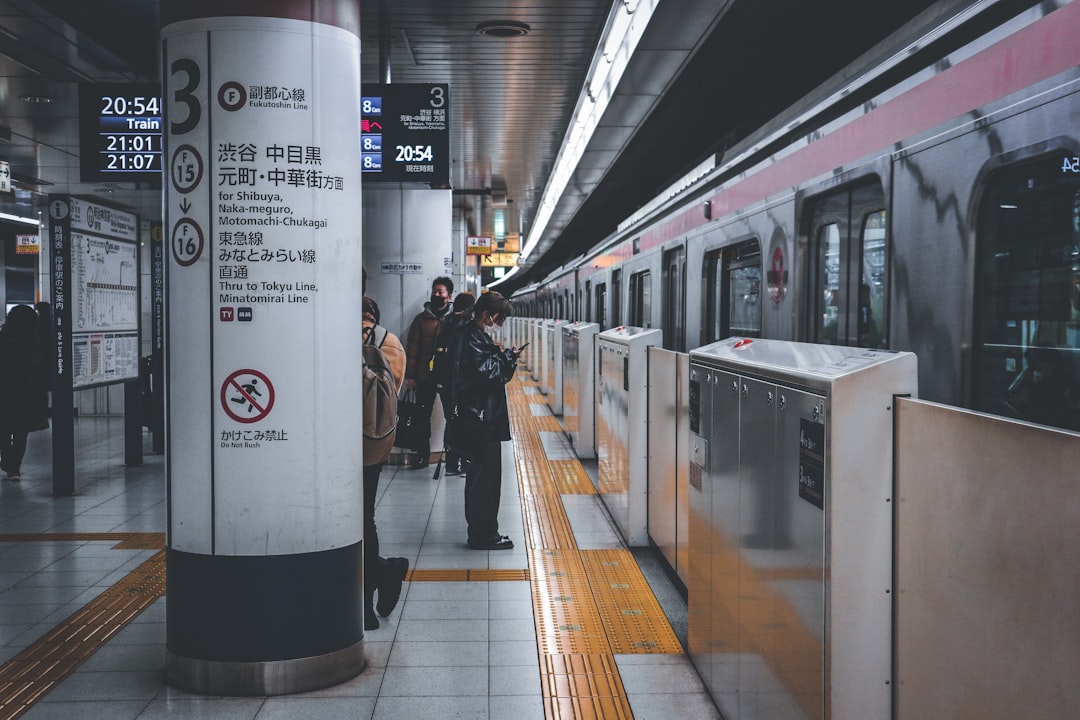

Photo by BREAKIFY on Unsplash
Tokyo’s subway system in 2026 remains one of the world’s most extensive and efficient transportation networks, serving over 40 million passengers daily across its 13 lines and 285 stations. While the sheer scale might seem overwhelming for first-time visitors, understanding the basics of navigation, ticketing, and etiquette will transform your Tokyo experience from stressful to seamless.
Understanding Tokyo’s Subway Network Structure
Tokyo’s subway system consists of two main operators: Tokyo Metro (9 lines) and Toei Subway (4 lines). Each line is color-coded and numbered, making navigation intuitive once you understand the system. The Ginza Line (orange), Marunouchi Line (red), Hibiya Line (silver), Tozai Line (sky blue), Chiyoda Line (green), Yurakucho Line (gold), Hanzomon Line (purple), Namboku Line (emerald), and Fukutoshin Line (brown) comprise the Tokyo Metro network.
The Toei Subway operates the Asakusa Line (rose), Mita Line (blue), Shinjuku Line (leaf green), and Oedo Line (magenta). Understanding these color codes is crucial as they’re prominently displayed on station signs, maps, and train cars throughout the system.
Station Numbering System
Each station has a unique alphanumeric code combining the line letter and station number. For example, Shimbashi Station on the Ginza Line is coded as “G-08.” This system, fully implemented across all lines as of 2026, makes navigation significantly easier for international visitors who may struggle with Japanese characters.
IC Cards: Your Key to Seamless Travel in 2026
As of 2026, IC cards remain the most convenient payment method for Tokyo subway travel. Both Suica and PASMO cards work interchangeably across all Tokyo Metro and Toei lines, as well as JR lines and most buses throughout the greater Tokyo area.
Foreign Visitor IC Card Options
The “Welcome Suica” card, specifically designed for tourists, offers enhanced compatibility with international payment systems and can be easily topped up using foreign credit cards at designated machines. These cards, available at major stations and airports, come with English-language support and don’t require a deposit, unlike regular IC cards.
Standard IC cards require a ¥500 deposit (refundable upon return) and can be loaded with up to ¥20,000. The Welcome Suica eliminates the deposit requirement but cannot be returned for cash, making it perfect for short-term visitors.
Mobile IC Card Integration
As of 2026, both Apple Pay and Google Pay fully support Suica cards for international visitors, though setup requires a Japanese address for some features. Many travelers find physical cards more reliable, especially given the potential for phone battery issues during long sightseeing days.
Navigation Tools and Apps for 2026
Several smartphone apps have become indispensable for navigating Tokyo’s subway system. Google Maps offers excellent real-time transit information in English, including platform numbers, transfer instructions, and delay notifications. The official “Tokyo Metro App” provides detailed station maps, first/last train times, and fare information.
Hyperdia, while primarily designed for train schedules, offers precise timing for complex multi-line journeys. The app accounts for walking time between platforms and provides alternative routes during service disruptions.
Offline Navigation Options
Download offline Tokyo subway maps before your trip, as cellular service can be spotty in some underground sections. The Tokyo Metro provides downloadable PDF maps with English station names and transfer information. Many hotels and tourist information centers also distribute free pocket-sized English subway maps.
Understanding Fares and Pricing in 2026
Tokyo Metro fares range from ¥180 to ¥320 for adults, calculated by distance traveled. Toei Subway fares range from ¥180 to ¥430. When transferring between Tokyo Metro and Toei lines, you’ll pay separate fares, which can make individual journeys expensive.
Day Passes and Tourist Tickets
The Tokyo Metro 24-Hour Ticket costs ¥880 and provides unlimited rides on all nine Tokyo Metro lines. The Tokyo Combination Ticket (¥1,590) covers both Tokyo Metro and Toei Subway lines for 24 hours. For visitors planning multiple subway trips daily, these passes offer significant savings.
The Greater Tokyo Pass (¥1,800) includes Tokyo Metro, Toei Subway, JR Yamanote Line, and most Tokyo buses, making it excellent value for comprehensive city exploration.
Rush Hour Strategy and Timing
Tokyo’s subway system experiences intense crowding during rush hours: 7:30-9:30 AM and 5:30-7:30 PM on weekdays. During these periods, trains can reach 180% capacity, making travel uncomfortable and sometimes impossible with large luggage.
Alternative Travel Times
Plan major sightseeing trips between 10 AM and 4 PM when trains are significantly less crowded. Late evening travel (after 9 PM) also offers more comfortable journeys, though be aware that last trains typically depart between 11:30 PM and 12:30 AM.
Weekend mornings before 10 AM provide the most comfortable subway experience, with trains often running half-empty to popular tourist destinations.
Essential Subway Etiquette for 2026
Proper subway etiquette remains crucial in Tokyo’s social fabric. Stand to the left on escalators, allowing others to walk on the right. Remove your backpack and hold it in front of you during crowded periods to avoid bumping other passengers.
Phone and Conversation Guidelines
Keep phone conversations brief and quiet, or better yet, use text messaging. Many Tokyo residents consider phone calls on trains inconsiderate. Set your phone to silent mode and avoid taking calls during peak hours.
Eating and drinking are generally acceptable on longer rides, but avoid strong-smelling foods. Many convenience stores sell onigiri (rice balls) and sandwiches specifically designed for train consumption.
Accessibility Features in 2026
As of 2026, approximately 95% of Tokyo subway stations feature elevator access, with the remaining stations scheduled for completion by 2027. All trains now include designated spaces for wheelchair users and clearly marked priority seating areas.
Audio announcements in Japanese and English provide station information, though some older stations may have limited English announcements. Visual displays in multiple languages show upcoming stops and transfer information.
Common Transfer Stations and Routes
Mastering key transfer stations dramatically improves navigation efficiency. Otemachi serves as a major hub connecting five different lines: Chiyoda, Hanzomon, Marunouchi, Tozai, and Mita lines. Shimbashi connects the Ginza Line, Asakusa Line, and JR lines.
Complex Transfer Navigation
Stations like Shinjuku and Ikebukuro involve extensive underground walking between different operators’ platforms. Allow extra time for these transfers, especially with luggage. Follow color-coded signs and platform numbers rather than relying solely on station names.
Shibuya Station, completely renovated as of 2026, now features improved signage and more direct connection routes between lines, though it remains one of Tokyo’s busiest transfer points.
Emergency Procedures and Safety
Tokyo’s subway system maintains excellent safety records, with emergency communication buttons available on all platforms and trains. In case of service disruptions, station staff typically provide updates in Japanese and English through platform announcements.
Keep emergency contact information and your hotel address written in Japanese characters. Most station staff speak basic English, but having key information in Japanese ensures faster assistance during emergencies.
Natural Disaster Protocols
During earthquakes, trains automatically stop, and passengers should remain seated or hold handrails. Station staff will provide evacuation instructions if necessary. The subway system typically resumes service quickly after minor earthquakes, but major seismic events may cause extended service suspensions.
Money-Saving Tips for Extended Stays
Visitors staying in Tokyo for more than a week should consider multiple-day passes or weekly commuter tickets for frequently used routes. The Tokyo Metro weekly pass offers unlimited rides for seven consecutive days at ¥3,280, providing substantial savings for daily subway users.
Avoid taxi transfers between distant subway stations, as taxi fares in Tokyo can easily exceed ¥3,000-5,000 for trips that cost ¥300-400 by subway. Plan routes using subway connections whenever possible.
By mastering these essential navigation strategies, you’ll join the millions of daily commuters who rely on Tokyo’s remarkably punctual and efficient subway system. Remember that even Tokyo residents sometimes get confused in the vast underground network, so don’t hesitate to ask for help or take a moment to reorient yourself using station maps.