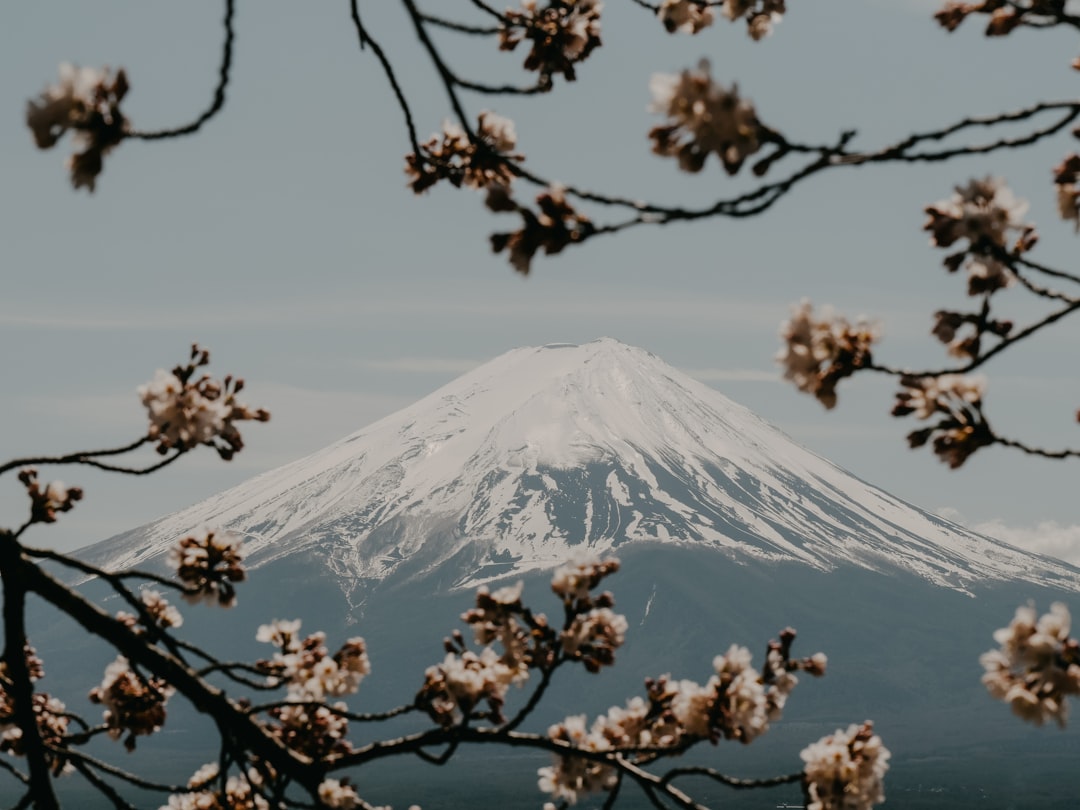

Photo by Victor Pot on Unsplash
Mount Fuji, Japan’s most iconic landmark and sacred symbol, stands majestically at 3,776 meters, making it the country’s highest peak. For centuries, this dormant volcano has drawn pilgrims, adventurers, and nature enthusiasts to its slopes. Whether you’re an experienced mountaineer or a casual hiker, Mount Fuji offers several well-established trails that provide unforgettable experiences and breathtaking views.
The Four Main Mount Fuji Hiking Trails
Mount Fuji features four primary hiking routes, each with distinct characteristics, difficulty levels, and starting points. Understanding these differences is crucial for selecting the trail that best matches your fitness level and hiking experience.
Yoshida Trail (Yamanashi Prefecture)
The Yoshida Trail is the most popular and beginner-friendly route, accounting for approximately 60% of all Mount Fuji climbers. Starting from the Fuji Subaru Line 5th Station at 2,305 meters, this trail offers excellent infrastructure with numerous mountain huts, rest stations, and emergency facilities along the way.
The trail features a well-maintained path with clear signage in both Japanese and English. Climbers appreciate the abundance of facilities, including restrooms, food vendors, and medical stations. The estimated climbing time ranges from 5-7 hours to reach the summit, with the descent taking 3-5 hours via a separate downhill path.
What makes the Yoshida Trail special is its rich cultural heritage. The route passes several torii gates and shrines, reflecting Mount Fuji’s spiritual significance. The trail also offers spectacular views of the Five Fuji Lakes region and provides the best sunrise viewing opportunities from the summit.
Fujinomiya Trail (Shizuoka Prefecture)
The Fujinomiya Trail is the shortest but steepest route to Mount Fuji’s summit. Beginning at the Fujinomiya 5th Station at 2,400 meters, this trail attracts experienced hikers seeking a more challenging ascent. The higher starting elevation means less total climbing distance, but the steep gradient demands excellent physical conditioning.
This route typically takes 4-6 hours to reach the summit and 2-4 hours for the descent. The trail offers fewer facilities compared to the Yoshida route, making it essential for climbers to carry adequate supplies. However, the Fujinomiya Trail provides stunning views of Shizuoka Prefecture and the Pacific Ocean on clear days.
The trail’s unique feature is its proximity to the actual summit crater. Climbers following this route reach the highest point of Mount Fuji more directly, making it popular among those seeking to maximize their summit experience.
Subashiri Trail (Shizuoka Prefecture)
The Subashiri Trail offers a perfect balance between challenge and accessibility. Starting from the Subashiri 5th Station at 2,000 meters, this route provides a moderate climbing experience through diverse terrain, including beautiful forested sections in the lower elevations.
Climbers typically spend 5-7 hours ascending and 3-4 hours descending. The trail is less crowded than Yoshida but still maintains adequate facilities and safety infrastructure. One of the route’s highlights is the descent through volcanic sand fields, where hikers can experience the unique sensation of “sand running” down the mountainside.
The Subashiri Trail merges with the Yoshida Trail at the 8th Station, allowing climbers to experience multiple route characteristics in a single journey. This trail is particularly recommended for those seeking a quieter climbing experience while still maintaining reasonable safety margins.
Gotemba Trail (Shizuoka Prefecture)
The Gotemba Trail is the longest and most challenging route, starting from the lowest elevation at the Gotemba 5th Station (1,440 meters). This trail is recommended only for experienced hikers with excellent physical conditioning and proper mountaineering equipment.
The route typically requires 7-10 hours for ascent and 4-6 hours for descent. Due to the lower starting elevation and longer distance, climbers face greater exposure to altitude changes and weather variations. The trail offers fewer facilities, making self-sufficiency crucial for safety.
Despite its challenges, the Gotemba Trail rewards hikers with solitude and pristine natural environments. The route provides unique perspectives of Mount Fuji’s ecosystem and allows for a more immersive wilderness experience away from the crowds of more popular trails.
Official Climbing Season and Weather Considerations
Mount Fuji’s official climbing season typically runs from early July through early September, when weather conditions are most favorable and mountain facilities operate at full capacity. Outside this period, extreme weather, closed facilities, and dangerous conditions make climbing inadvisable for most hikers.
During climbing season, temperatures can vary dramatically between base and summit. While 5th Station temperatures might reach 20°C (68°F) during the day, summit temperatures often drop below freezing, especially during early morning hours. Weather can change rapidly, with clear conditions transforming into dense fog, rain, or even snow within hours.
Wind conditions become increasingly severe at higher elevations, sometimes reaching dangerous levels that can knock climbers off balance. Proper preparation for these conditions is essential for safe climbing experiences.
Essential Preparation and Equipment
Physical Preparation
Climbing Mount Fuji demands significant physical preparation, regardless of which trail you choose. Begin training at least 6-8 weeks before your planned climb with regular cardio exercises, hiking practice, and leg strengthening routines. Stair climbing and weighted backpack training particularly benefit prospective climbers.
Altitude acclimatization is another crucial consideration. Many climbers underestimate the effects of reduced oxygen levels at higher elevations. Consider spending time at the 5th Station before beginning your climb to help your body adjust.
Essential Gear and Equipment
Proper equipment can make the difference between a successful climb and a dangerous situation. Essential items include layered clothing for temperature variations, waterproof rain gear, sturdy hiking boots with good ankle support, and headlamps with extra batteries for early morning summit attempts.
Additional necessities include warm hats and gloves, sunglasses and sunscreen for UV protection at high altitude, plenty of water and high-energy snacks, basic first aid supplies, and cash for mountain hut fees and purchases. Many facilities on Mount Fuji operate on cash-only basis.
Mountain Huts and Accommodation
Mount Fuji’s mountain huts provide essential rest stops and emergency shelter during climbs. These facilities offer basic sleeping arrangements, hot meals, and respite from challenging weather conditions. Reservations are recommended during peak climbing periods, though many huts accept walk-in guests when space permits.
Mountain hut amenities vary by location and elevation, but most provide futon-style sleeping areas, basic meals, hot drinks, and restroom facilities. Prices increase with elevation, reflecting the logistical challenges of supplying higher stations.
Safety Guidelines and Emergency Procedures
Mount Fuji climbing carries inherent risks that require serious preparation and respect for safety protocols. Altitude sickness affects many climbers, with symptoms including headaches, nausea, and dizziness. Recognizing these signs early and responding appropriately can prevent serious complications.
Weather awareness is critical for safe climbing. Monitor forecasts carefully and be prepared to turn back if conditions deteriorate. Hypothermia and dehydration are common risks that proper preparation and equipment can largely prevent.
Always inform others of your climbing plans, carry emergency contact information, and consider climbing with experienced partners rather than attempting solo ascents, especially for first-time climbers.
Cultural Significance and Etiquette
Mount Fuji holds profound cultural and spiritual significance in Japanese society. The mountain is considered sacred, and climbers should approach their journey with appropriate respect for local customs and environmental preservation.
Follow Leave No Trace principles by carrying out all trash, staying on designated trails, and respecting wildlife and vegetation. Many Japanese climbers view their ascent as a spiritual journey, and maintaining quiet, respectful behavior enhances everyone’s experience.
Consider participating in traditional customs such as collecting walking sticks that can be branded at various stations, or visiting summit shrines to pay respects according to local traditions.
Transportation and Access
Reaching Mount Fuji’s various trailheads requires careful transportation planning. Public transportation options include trains to base stations followed by dedicated climbing season buses to 5th Stations. Private vehicle access is possible but parking can be extremely limited during peak periods.
The Yoshida Trail is accessible via the Fuji Subaru Line, while Shizuoka Prefecture trails connect through different transportation networks. Plan transportation carefully, especially for return journeys after completing your climb when you may be exhausted.
Making Your Mount Fuji Dreams Reality
Climbing Mount Fuji represents one of Japan’s most rewarding outdoor adventures, offering physical challenge, cultural immersion, and natural beauty in equal measure. Success depends on choosing the appropriate trail for your abilities, preparing thoroughly, and respecting both the mountain’s natural power and cultural significance.
Whether you select the popular Yoshida Trail or challenge yourself with the demanding Gotemba route, Mount Fuji provides unforgettable experiences that connect climbers with Japan’s natural heritage and spiritual traditions. Begin planning your adventure today, and join the millions who have stood atop Japan’s most beloved mountain.