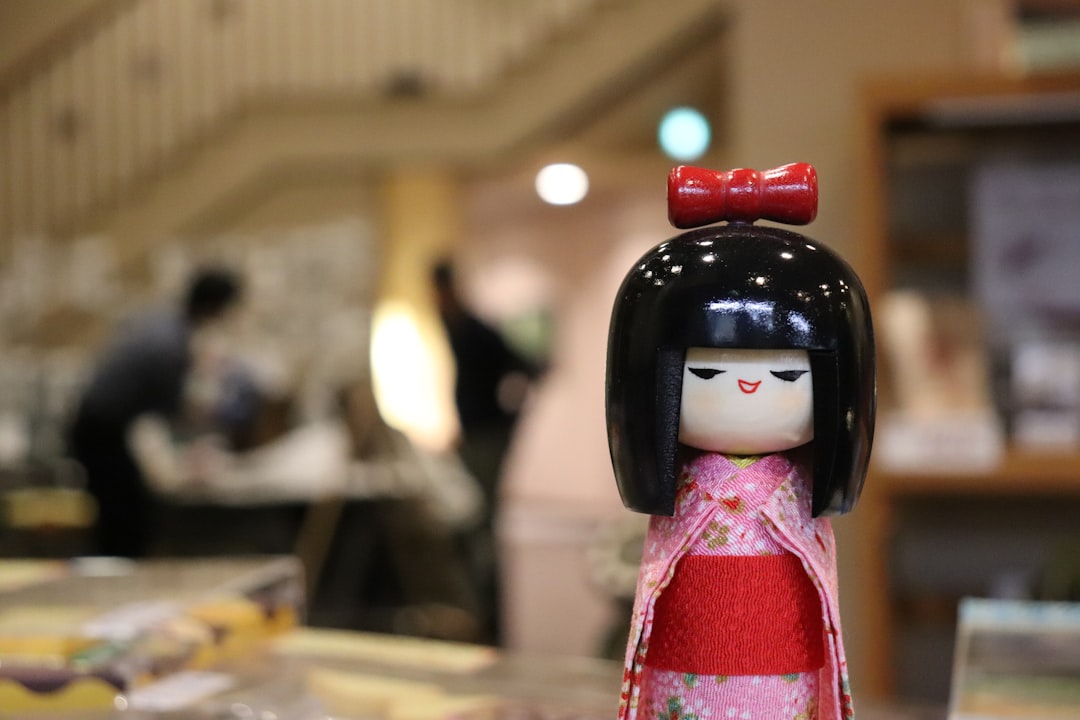

Photo by Qonita Afnani Firdaus on Unsplash
Traveling to Japan in 2026 offers an incredible opportunity to experience one of the world’s most fascinating cultures, but understanding Japanese etiquette is crucial for having a respectful and enjoyable trip. As Japan continues to welcome international visitors following the full reopening of tourism, knowing proper cultural protocols will enhance your experience and show respect for local customs.
Japanese society operates on principles of harmony, respect, and consideration for others—values that permeate every aspect of daily life. Whether you’re visiting bustling Tokyo, historic Kyoto, or rural towns, following these etiquette guidelines will help you navigate social situations with confidence and avoid unintentional cultural missteps.
Greeting and Social Interactions
The foundation of Japanese etiquette begins with proper greetings. While handshakes have become more common in business settings as of 2026, bowing remains the traditional and preferred greeting method throughout Japan.
The Art of Bowing
Bowing demonstrates respect and is used in various situations—greeting people, expressing gratitude, apologizing, or saying goodbye. For travelers, a simple 15-degree bow is appropriate for most casual interactions. When meeting someone for the first time or in formal situations, a deeper bow of 30 degrees shows proper respect.
Key bowing etiquette includes:
- Keep your hands at your sides or clasped in front
- Maintain eye contact briefly before bowing
- Bow from the waist, not just your head
- The depth and duration should match the other person’s bow
Business Card Exchange
If you’re traveling for business or find yourself in formal situations, proper business card (meishi) exchange is essential. Present your card with both hands, ensuring the text faces the recipient. Receive cards the same way, taking a moment to read the information before carefully placing it in a card holder—never in your back pocket or wallet where you’ll sit on it.
Dining Etiquette and Restaurant Behavior
Japan’s renowned cuisine comes with equally impressive dining etiquette. Understanding these customs will enrich your culinary experiences and show respect for the culture.
Chopstick Etiquette
Proper chopstick use goes beyond technique—it’s deeply rooted in cultural significance. Never stick chopsticks upright in rice, as this resembles incense offerings at funerals. Avoid passing food from chopstick to chopstick, pointing with chopsticks, or using them to move dishes.
When not using chopsticks, rest them on the provided chopstick rest (hashioki) or across your bowl. If sharing dishes, use the serving chopsticks or flip your chopsticks to use the clean ends.
Restaurant Customs
Japanese restaurants operate differently from Western establishments. You’ll typically be seated by staff rather than choosing your own table. Many restaurants provide wet towels (oshibori) for cleaning your hands before eating—use these only for your hands, not your face or the table.
Tipping remains unnecessary and can even be offensive in 2026. Excellent service is expected and included in the price. If you’re exceptionally pleased with service, a polite compliment to the staff or manager is more appropriate than monetary tips.
Drinking Culture
When drinking alcohol with others, never pour your own drink. Instead, pour for others and allow them to pour for you. This reciprocal practice builds social bonds and shows consideration. Hold your glass while others pour, and offer a small bow of thanks.
Public Transportation Etiquette
Japan’s efficient public transportation system operates smoothly thanks to passengers following established etiquette rules. As of 2026, most IC cards like Suica and Pasmo are compatible with foreign credit cards, making travel easier for international visitors.
Train and Subway Behavior
Silence is golden on Japanese public transport. Keep conversations quiet, set phones to silent mode, and avoid phone calls entirely. Priority seats (marked in different colors) are reserved for elderly passengers, pregnant women, people with disabilities, and those with small children.
When boarding, allow passengers to exit first, then board in an orderly fashion. Remove backpacks and hold them in front or place them overhead to avoid hitting other passengers. If you’re traveling during rush hours, be prepared for crowded conditions and follow the flow of other passengers.
Station Etiquette
Stand to the right on escalators, leaving the left side for people walking up. Queue in designated areas when waiting for trains, and step aside to allow exiting passengers. With the JR Pass price increase implemented in October 2023, many travelers are more budget-conscious, but proper etiquette remains essential regardless of your ticket type.
Hotel and Accommodation Manners
Whether staying in traditional ryokan or modern hotels, understanding accommodation etiquette enhances your experience and shows respect for staff and other guests.
Ryokan Etiquette
Traditional inns offer unique cultural experiences but require specific etiquette knowledge. Remove shoes when entering and wear provided slippers in designated areas. Yukata (cotton robes) should be worn left side over right—the reverse is associated with death.
In onsen (hot springs), thorough washing before entering the baths is mandatory. Tattoos, while becoming more accepted in 2026, may still restrict access to some facilities, so check policies beforehand.
Hotel Considerations
Even in Western-style hotels, some Japanese customs apply. Speak quietly in hallways and elevators, bow slightly when greeting staff, and be patient with service—efficiency and attention to detail are prioritized over speed.
Shopping and Business Interactions
Japan’s retail culture emphasizes customer service and respect. Understanding shopping etiquette helps you navigate stores and markets appropriately.
Department Store and Shop Etiquette
Expect exceptional service in Japanese stores. Staff will greet you upon entering and may follow at a respectful distance to assist. Don’t feel pressured to buy—browsing is perfectly acceptable. When making purchases, money is often placed in small trays rather than handed directly to cashiers.
For tax-free shopping in 2026, the 10% consumption tax can be refunded on purchases over ¥5,000 at participating stores. Bring your passport and follow store procedures for tax exemption processing.
Market and Street Vendor Interactions
In traditional markets, prices are typically fixed, so bargaining isn’t common or expected. Handle merchandise gently and ask permission before touching items when possible. Cash remains king in many smaller establishments, though digital payments are increasingly accepted.
Religious Sites and Cultural Attractions
Japan’s temples, shrines, and cultural sites require specific etiquette to show proper respect for religious and cultural significance.
Temple and Shrine Visits
Remove hats and sunglasses when entering temple buildings. At Shinto shrines, bow before passing through torii gates and purify yourself at the water basin—rinse left hand, then right hand, then mouth (don’t drink or gargle). When praying, bow twice, clap twice, pray silently, then bow once more.
Photography rules vary by location, so observe posted signs and ask permission when uncertain. Some areas prohibit photos entirely, while others allow photography without flash.
Museums and Cultural Sites
Maintain quiet voices, follow designated paths, and respect photography restrictions. Many museums provide detailed English information as of 2026, reflecting Japan’s continued focus on international tourism.
Gift-Giving and Social Customs
Gift-giving (omiyage) is an important aspect of Japanese culture, especially when visiting someone’s home or returning from travels.
Omiyage Culture
Bring small gifts representing your home country or region when visiting Japanese friends or business associates. Present gifts with both hands and expect recipients to set them aside to open later—this avoids potential embarrassment and shows humility.
When receiving gifts, express gratitude but avoid excessive praise, which might embarrass the giver. The thoughtfulness behind the gift matters more than its monetary value.
Digital Etiquette and Technology Use
As Japan continues advancing technologically in 2026, digital etiquette becomes increasingly important for travelers.
Phone and Photography Etiquette
Avoid phone conversations on public transport and in quiet spaces like libraries or restaurants. When taking photos, be mindful of others’ privacy—avoid photographing people without permission, especially in onsen, temples, or residential areas.
Many locations now offer QR code menus and digital services, but traditional paper options usually remain available for those who prefer them.
Understanding Social Hierarchies
Japanese society operates on complex social hierarchies based on age, position, and relationships. While tourists aren’t expected to master these nuances, understanding basic concepts helps in social interactions.
Age and Seniority Respect
Show deference to older individuals and those in authority positions. This might mean allowing them to enter rooms first, speaking more formally, or deferring to their preferences in group situations.
In business contexts, acknowledge the most senior person first, even if you’re primarily dealing with someone else. This recognition of hierarchy demonstrates cultural awareness and respect.
Emergency Etiquette and Crisis Behavior
Japan’s disaster preparedness culture means specific behavioral expectations during emergencies. Follow local guidance calmly, assist others when possible, and maintain order even in stressful situations.
As of 2026, emergency information is increasingly available in multiple languages, but learning basic Japanese phrases for emergencies can be valuable for any traveler.
Conclusion: Embracing Japanese Cultural Values
Mastering Japanese etiquette as a traveler in 2026 isn’t about perfection—it’s about showing respect, consideration, and willingness to embrace cultural differences. Japanese people are generally understanding of cultural mistakes made by well-intentioned visitors, but making an effort to follow local customs demonstrates respect and often leads to warmer interactions and richer experiences.
Remember that etiquette rules serve the greater purpose of maintaining social harmony and showing consideration for others. By following these guidelines, you’ll not only avoid cultural missteps but also gain deeper insights into Japanese culture and society.
As Japan continues welcoming international visitors in 2026, your respectful behavior contributes to positive cultural exchange and helps maintain Japan’s reputation as a welcoming destination for thoughtful travelers. Take time to observe local behavior, ask questions when uncertain, and approach each interaction with humility and respect—your efforts will be appreciated and reciprocated.