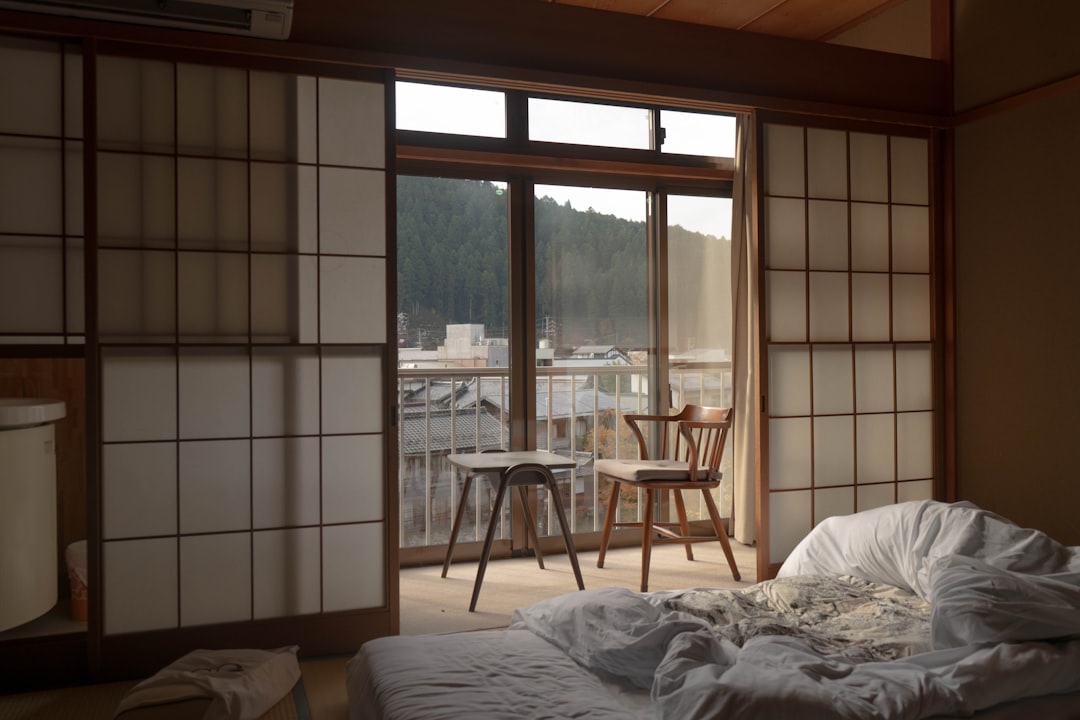

Photo by Lucas Calloch on Unsplash
Experiencing a traditional Japanese ryokan doesn’t have to drain your travel budget. While luxury ryokans can cost hundreds of dollars per night, numerous affordable options throughout Japan offer authentic cultural experiences without the premium price tag. Budget ryokans provide the perfect gateway to Japanese hospitality, traditional architecture, and cultural immersion for travelers seeking genuine experiences on a shoestring budget.
What Makes a Ryokan “Budget-Friendly”
Budget ryokans typically range from $30 to $80 per person per night, significantly less than their luxury counterparts that can exceed $300 per person. These affordable accommodations maintain essential ryokan elements like tatami mat floors, futon bedding, communal baths, and traditional Japanese breakfast, but with simplified amenities and services.
Most budget ryokans feature shared bathrooms and dining areas, smaller rooms, and fewer staff members. However, they compensate for these limitations with authentic atmosphere, warm hospitality, and opportunities to interact with local families who often run these establishments. Many budget ryokans are family-owned businesses passed down through generations, offering genuine insights into Japanese culture and traditions.
Types of Budget Ryokan Accommodations
Minshuku (Family-Run Guesthouses)
Minshuku represent the most affordable ryokan alternative, typically costing $25-50 per person. These family-operated guesthouses provide intimate experiences where guests often dine with the host family. Rooms feature traditional tatami mats and futon bedding, while meals showcase regional home-cooking specialties.
Temple Lodgings (Shukubo)
Buddhist temples offering overnight accommodation provide unique spiritual experiences at budget-friendly rates. Temple stays include vegetarian Buddhist cuisine (shojin ryori), meditation sessions, and morning prayers. Prices range from $40-70 per person, including meals and cultural activities.
Rural Hot Spring Ryokans
Countryside onsen ryokans often charge lower rates than urban counterparts while offering authentic hot spring experiences. These establishments provide natural thermal baths, traditional architecture, and peaceful mountain or valley settings at $50-90 per person, including dinner and breakfast.
Youth Hostel Ryokans
Some youth hostels incorporate traditional ryokan elements like tatami rooms and Japanese-style baths while maintaining budget accommodation principles. These hybrid accommodations offer cultural immersion experiences for $20-40 per person in dormitory-style tatami rooms.
Best Regions for Budget Ryokan Experiences
Kumano Kodo Pilgrimage Routes
The Kumano Kodo pilgrimage trails in the Kii Peninsula offer numerous budget-friendly minshuku and temple lodgings. These accommodations cater to hikers and spiritual seekers, providing authentic rural experiences with home-cooked meals and natural hot springs.
Japanese Alps Region
Mountain villages in Nagano, Gifu, and Toyama prefectures feature affordable ryokans serving outdoor enthusiasts and cultural travelers. Traditional thatched-roof farmhouses (minka) converted into guesthouses offer unique architectural experiences at reasonable rates.
Shikoku Island
Japan’s smallest main island provides excellent budget ryokan options, particularly along the 88-temple pilgrimage route. Temple lodgings and family-run inns welcome pilgrims and tourists with affordable rates and authentic cultural experiences.
Rural Kyushu
Southern Japan’s countryside offers exceptional value for traditional accommodations, especially in hot spring towns like Beppu, Yufuin, and smaller onsen villages. Family-operated establishments provide genuine hospitality and regional cuisine at budget-friendly prices.
What to Expect at Budget Ryokans
Accommodation Features
Budget ryokan rooms typically measure 6-10 tatami mats (approximately 100-160 square feet) with sliding paper doors (fusuma), low wooden tables, and floor cushions (zabuton). Futon bedding is stored in closets during the day and laid out on tatami mats at night. Most rooms include a small alcove (tokonoma) with seasonal decorations and traditional artwork.
Shared facilities often include communal toilets, washing areas, and bathing facilities. Some budget ryokans offer private bathrooms in certain rooms for slightly higher rates. Common areas typically feature television lounges, vending machines, and sometimes internet access.
Dining Experiences
Budget ryokan meals emphasize regional ingredients and traditional preparation methods rather than elaborate presentation. Dinner typically includes rice, miso soup, pickled vegetables, grilled fish, and local specialties. Breakfast features traditional Japanese items like tamagoyaki (rolled omelet), nori (seaweed), and seasonal vegetables.
Many budget establishments allow guests to participate in meal preparation or offer cooking classes featuring local recipes. These interactive experiences provide cultural insights and practical skills while building connections with hosts and fellow travelers.
Cultural Activities and Services
Budget ryokans often provide cultural experiences like tea ceremony demonstrations, traditional craft workshops, or guided nature walks. Some establishments offer bicycle rentals, local touring advice, and transportation assistance to nearby attractions.
Staff members at family-run establishments frequently share local knowledge, recommend hidden gems, and facilitate cultural exchanges between guests and community members. These personal interactions create memorable experiences that luxury accommodations rarely match.
Booking Tips for Budget Ryokans
Advance Planning Strategies
Book budget ryokans 2-4 weeks in advance, especially during peak seasons like cherry blossom period, autumn foliage season, and Golden Week holidays. Many family-operated establishments have limited rooms and fill quickly during popular travel times.
Contact ryokans directly via phone or email for better rates and special requests. Many budget establishments offer discounts for extended stays, group bookings, or repeat visitors. Some provide seasonal promotions or last-minute deals during slower periods.
Communication Considerations
Learn basic Japanese phrases for greetings, gratitude, and dining etiquette to enhance your budget ryokan experience. Many family-operated establishments have limited English-speaking staff, but hosts appreciate guests’ efforts to communicate in Japanese.
Download translation apps and prepare written questions about local attractions, transportation, and dining recommendations. Clear communication helps build relationships with hosts and ensures smooth experiences during your stay.
Maximizing Your Budget Ryokan Experience
Etiquette and Cultural Awareness
Respect traditional customs by removing shoes before entering tatami areas, sitting properly on floor cushions, and following bathing protocols in shared facilities. Observe quiet hours, typically from 10 PM to 6 AM, to maintain peaceful atmosphere for all guests.
Participate enthusiastically in offered activities and meals to show appreciation for your hosts’ efforts. Express gratitude frequently and follow proper gift-giving etiquette if bringing omiyage (souvenirs) for your hosts.
Cost-Saving Strategies
Choose accommodation packages that include meals to maximize value and authentic culinary experiences. Many budget ryokans offer significant savings when booking room and meal combinations compared to accommodation-only rates.
Travel during shoulder seasons (late spring, early autumn) for lower rates and fewer crowds while still enjoying pleasant weather and seasonal attractions. Weekday stays typically cost 20-30% less than weekend accommodations at popular destinations.
Consider longer stays at single locations to negotiate better rates and develop deeper cultural connections. Many budget ryokans offer weekly discounts and extended stay packages for guests seeking immersive experiences.
Planning Your Budget Ryokan Journey
Budget ryokans provide authentic Japanese cultural experiences without luxury accommodation costs. These traditional inns offer genuine hospitality, regional cuisine, and cultural immersion opportunities that create lasting memories and meaningful connections with Japanese traditions.
Research potential destinations thoroughly, considering transportation costs, local attractions, and seasonal factors when selecting budget ryokan locations. Combine multiple budget accommodations across different regions to experience diverse Japanese landscapes, cultures, and traditions while maintaining affordable travel expenses.
Embrace the simplicity and authenticity that budget ryokans provide. These accommodations offer windows into traditional Japanese life, opportunities for cultural exchange, and peaceful retreats from modern travel stresses. Your budget ryokan experience will likely become one of your most cherished Japanese travel memories, proving that meaningful cultural experiences don’t require luxury expenditures.