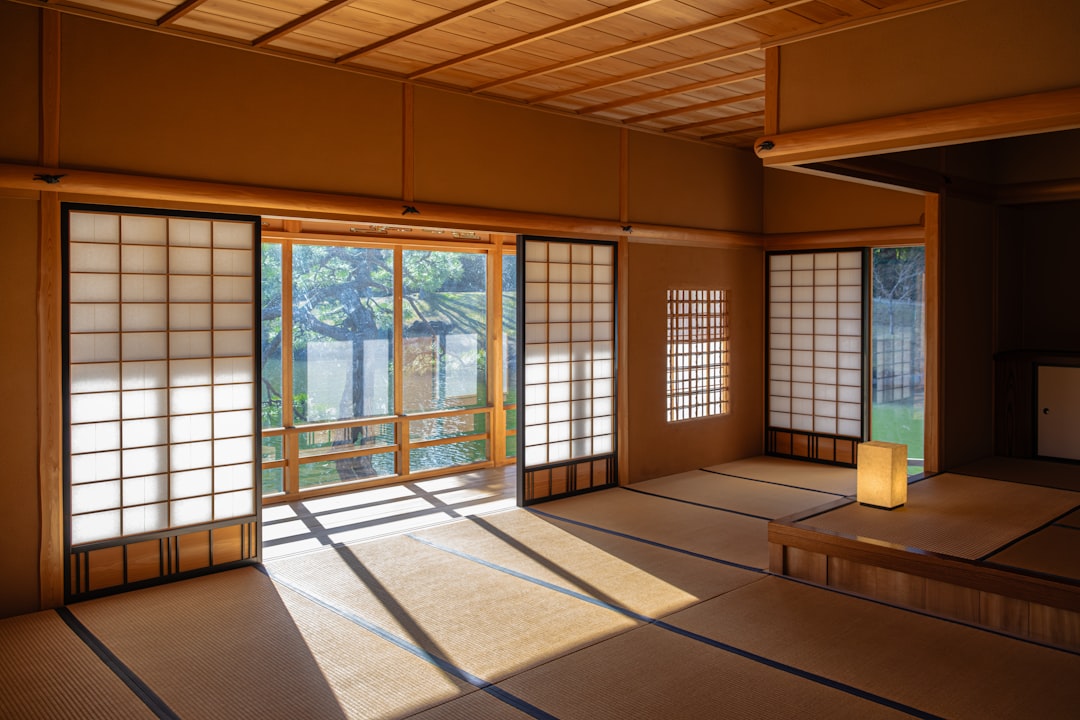

Photo by Viviana Nysaether on Unsplash
Staying at a traditional Japanese ryokan represents one of the most authentic and memorable experiences Japan has to offer. These traditional inns, with their tatami floors, futon bedding, and exceptional hospitality, provide a window into Japan’s rich cultural heritage. While luxury ryokans can cost hundreds of dollars per night, budget-friendly options allow travelers to experience this quintessential Japanese accommodation without emptying their wallets.
What Makes a Ryokan Special
Ryokans are far more than simple places to sleep. These traditional Japanese inns embody the concept of omotenashi – the art of selfless hospitality that has been refined over centuries. Unlike modern hotels, ryokans offer an immersive cultural experience that begins the moment you remove your shoes at the entrance.
The architecture itself tells a story, featuring sliding fusuma doors, tatami mat flooring, and tokonoma alcoves adorned with seasonal flowers or calligraphy. Your room becomes a serene sanctuary where you’ll sleep on traditional futon bedding and wake up to carefully prepared meals that showcase seasonal ingredients and local specialties.
Many ryokans also feature onsen (hot spring baths) or sento (public baths), providing the opportunity to experience Japan’s bathing culture. The evening routine of soaking in mineral-rich waters while gazing at carefully tended gardens creates memories that last a lifetime.
Finding Budget-Friendly Ryokans
Contrary to popular belief, ryokan experiences don’t have to cost a fortune. Budget ryokans, often called minshuku when family-run, offer authentic experiences at fraction of the cost of luxury establishments. These accommodations maintain traditional elements while keeping prices accessible to budget-conscious travelers.
Types of Budget Ryokan Accommodations
Minshuku: Family-run guesthouses that offer the most affordable ryokan-style experience. These intimate establishments typically feature 5-10 rooms and provide home-cooked meals prepared by the host family. Prices often range from $50-80 per person including meals.
Temple Lodging (Shukubo): Buddhist temples that offer accommodation to visitors. These provide unique spiritual experiences combined with traditional Japanese hospitality. Temple stays typically include vegetarian Buddhist cuisine and morning prayer sessions.
Traditional Inns with Shared Facilities: Ryokans that offer private rooms with shared bathroom facilities, significantly reducing costs while maintaining authentic atmosphere and service.
Pension-style Ryokans: Hybrid accommodations that blend Western and Japanese elements, often featuring tatami rooms with traditional bedding at budget-friendly prices.
Best Regions for Budget Ryokan Experiences
Rural Mountain Areas
Mountain regions like the Japanese Alps, Kumano Kodo, and rural areas of Nagano Prefecture offer excellent value for money. These locations provide stunning natural scenery, access to hiking trails, and authentic rural Japanese culture. Local minshuku in these areas often cost 30-50% less than their urban counterparts while providing equally memorable experiences.
Hot Spring Towns
Smaller onsen towns away from major tourist circuits offer budget ryokan options with natural hot spring access. Places like Shibu Onsen in Nagano, Yunishigawa Onsen in Tochigi, and lesser-known hot spring villages provide authentic experiences without premium pricing.
Regional Cities
Cities like Takayama, Kanazawa, and Matsumoto feature budget ryokans that provide easy access to cultural attractions while maintaining traditional hospitality standards. These urban ryokans often offer competitive rates due to higher competition and diverse accommodation options.
What to Expect from Budget Ryokan Stays
Accommodation Features
Budget ryokans maintain essential traditional elements despite lower pricing. Expect tatami-floored rooms with futon bedding, low tables for meals, and sliding doors. While rooms may be smaller and amenities more basic than luxury establishments, the authentic atmosphere remains intact.
Shared bathroom facilities are common in budget properties, but these are meticulously maintained and often include traditional wooden soaking tubs. Many budget ryokans still offer access to natural hot springs or traditional baths, providing the complete Japanese bathing experience.
Meal Experiences
Traditional kaiseki meals remain a highlight of budget ryokan stays, though portions and variety may be scaled accordingly. Expect beautifully presented seasonal dishes that showcase local ingredients and traditional cooking techniques. Breakfast typically features grilled fish, rice, miso soup, pickled vegetables, and regional specialties.
Some budget options offer half-board packages (dinner and breakfast included) or room-only rates, allowing flexibility in dining arrangements. Family-run establishments often provide the most authentic home-style cooking experiences.
Booking Strategies for Budget Ryokans
Timing Your Stay
Weekday stays typically cost 20-40% less than weekend rates. Avoiding peak seasons like Golden Week (early May), Obon (mid-August), and autumn foliage season can result in significant savings while providing more intimate experiences with fewer crowds.
Winter stays in non-ski areas often offer the best value, with reduced rates and the added charm of snow-covered landscapes. Many ryokans provide heated kotatsu tables and warming amenities that enhance the cozy atmosphere.
Direct Booking Benefits
Contacting ryokans directly often yields better rates and personalized service. Many traditional establishments prefer direct bookings and may offer special packages or upgrades not available through third-party booking sites. Email communication in simple English is usually acceptable, and many proprietors appreciate the personal connection.
Group Bookings and Extended Stays
Traveling with friends or family can unlock significant per-person savings, as many ryokans offer group discounts. Extended stays of three or more nights often qualify for reduced rates, allowing deeper immersion in local culture and customs.
Cultural Etiquette and Expectations
Check-in Procedures
Arrive within specified check-in times, typically between 3:00-6:00 PM. Remove shoes at the entrance and change into provided slippers. Staff will escort you to your room and explain facilities, meal times, and house rules. This orientation is part of the authentic ryokan experience regardless of price point.
Bathing Etiquette
Understanding onsen and sento etiquette enhances your experience and shows respect for local customs. Wash thoroughly before entering baths, keep towels out of the water, and maintain quiet, respectful behavior. Many budget ryokans provide English instructions for international guests.
Meal Protocols
Meals are often served in your room or designated dining areas at specified times. Express appreciation for the carefully prepared food, and don’t hesitate to ask staff about ingredients or preparation methods. The communal dining experience often leads to meaningful cultural exchanges with other guests.
Maximizing Your Budget Ryokan Experience
Embrace the Schedule
Ryokans operate on traditional schedules that enhance the authentic experience. Early dinners (5:30-7:00 PM) and breakfasts (7:00-8:30 AM) allow time for evening baths and morning exploration. This rhythm connects you with centuries-old Japanese hospitality traditions.
Explore Local Areas
Budget ryokans are often located in areas with rich cultural and natural attractions. Take advantage of hiking trails, historic sites, local festivals, and artisan workshops. Many proprietors provide detailed local recommendations and can arrange special experiences.
Learn Basic Japanese Phrases
Simple greetings and expressions of gratitude enhance interactions with staff and demonstrate cultural respect. Phrases like arigatou gozaimasu (thank you), konbanwa (good evening), and gochisousama deshita (thank you for the meal) create meaningful connections.
Planning Your Budget Ryokan Adventure
Research multiple options in your preferred region, comparing amenities, meal options, and guest reviews. Consider transportation costs, as remote locations may require additional travel expenses that should factor into your overall budget.
Pack appropriately for the experience, bringing comfortable clothing for lounging in your room and suitable attire for exploring local areas. Many ryokans provide yukata (casual kimono) for wearing around the property.
Budget ryokans offer authentic Japanese hospitality experiences that create lasting memories without requiring luxury budgets. These traditional accommodations provide cultural immersion, exceptional service, and unique insights into Japanese customs that no hotel can match. By choosing budget-friendly options, travelers can experience the essence of Japanese hospitality while exploring the country’s rich cultural heritage in an affordable and meaningful way.