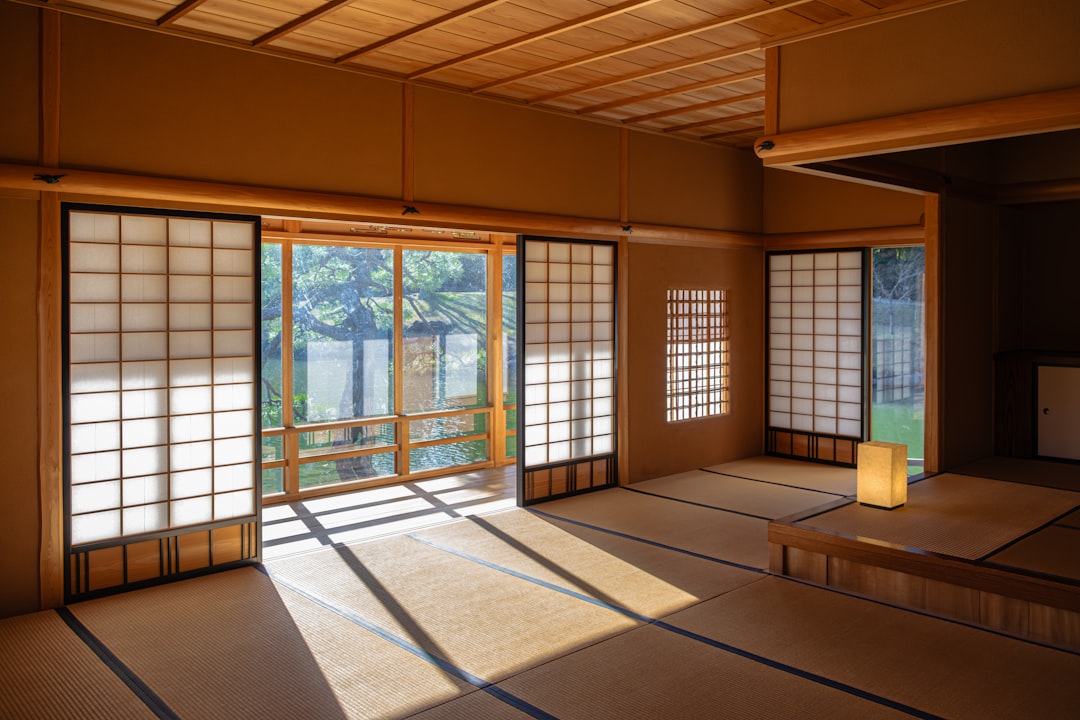

Photo by Viviana Nysaether on Unsplash
Staying at a traditional Japanese ryokan doesn’t have to drain your travel savings. While luxury ryokans can cost hundreds of dollars per night, budget-friendly options throughout Japan offer the same authentic cultural experience at a fraction of the price. From simple family-run establishments to converted historic buildings, affordable ryokans provide an opportunity to immerse yourself in Japanese hospitality traditions while keeping your accommodation costs reasonable.
What Makes a Ryokan Experience Special
A ryokan stay offers more than just a place to sleep – it’s a cultural immersion into centuries-old Japanese hospitality traditions. Even budget ryokans maintain the essential elements that make these accommodations unique. You’ll sleep on traditional tatami mat floors with futon bedding, enjoy communal onsen hot spring baths (where available), and experience the gracious omotenashi service that Japanese hospitality is famous for.
The architecture itself tells a story, with sliding shoji screens, low wooden tables, and minimalist aesthetics that promote tranquility and mindfulness. Many budget ryokans occupy historic buildings that have housed travelers for generations, offering authentic period details that expensive modern interpretations often lack.
Types of Budget Ryokan Accommodations
Family-Run Traditional Inns
Small, family-operated ryokans often provide the most authentic and affordable experiences. These establishments typically feature fewer than ten rooms and are passed down through generations. The owners frequently speak some English and take personal interest in ensuring guests understand ryokan etiquette and local customs. Rates usually range from 6,000 to 12,000 yen per person per night, including traditional breakfast.
Minshuku Guest Houses
Minshuku represent the budget end of traditional Japanese accommodations. These family-run guest houses offer ryokan-style rooms and meals at significantly lower prices, often between 4,000 to 8,000 yen per night. While they may lack some luxury amenities, minshuku provide genuine local hospitality and home-cooked meals that reflect regional specialties.
Temple Lodgings (Shukubo)
Buddhist temples throughout Japan offer overnight accommodation in a practice called shukubo. These spiritual retreats provide simple tatami rooms, vegetarian Buddhist cuisine, and opportunities to participate in morning prayer services. Prices typically range from 5,000 to 10,000 yen per night, making them both affordable and culturally enriching.
Youth Hostel Ryokans
Some youth hostels incorporate traditional ryokan elements, offering tatami rooms with futon bedding at backpacker-friendly prices. While lacking some traditional services, these hybrid accommodations provide an introduction to Japanese sleeping customs for budget-conscious travelers.
Best Regions for Budget Ryokan Stays
Rural Hot Spring Towns
Countryside onsen towns often feature the most affordable traditional accommodations. Areas like Takayama in Gifu Prefecture, Shibu Onsen in Nagano, and smaller towns throughout Tohoku region offer authentic ryokan experiences at lower costs than urban areas. These locations provide natural hot springs, traditional architecture, and peaceful mountain or valley settings.
Historical Preservation Districts
Towns designated as historical preservation districts, such as Kurashiki in Okayama or Hida-Furukawa in Gifu, maintain numerous traditional buildings converted into affordable accommodations. These areas allow guests to step back in time while exploring well-preserved Edo period streetscapes.
Pilgrimage Route Accommodations
Ancient pilgrimage routes like the Kumano Kodo offer traditional lodgings that have served travelers for over a thousand years. These remote mountain accommodations provide simple but authentic experiences at modest prices, often including locally-sourced meals and cultural insights from longtime hosts.
What to Expect at Budget Ryokans
Accommodation Features
Budget ryokans typically provide tatami-floored rooms with sliding paper screens, low wooden tables, and floor seating cushions. Futon bedding is laid out each evening and stored away each morning. Shared bathroom facilities are common, though some rooms may include private washbasins. Air conditioning and heating are usually available, though older buildings might rely on traditional methods.
Meal Services
Many budget ryokans offer optional meal plans featuring traditional Japanese breakfast and dinner. Breakfast typically includes grilled fish, miso soup, rice, pickled vegetables, and regional specialties. Dinner may feature local ingredients prepared in kaiseki style, with multiple small courses highlighting seasonal flavors. Meals are often served in communal dining rooms, providing opportunities to interact with other guests.
Onsen and Bathing Facilities
While not all budget ryokans feature natural hot springs, many provide traditional communal baths that maintain important bathing rituals. Proper onsen etiquette involves washing thoroughly before entering shared baths and maintaining quiet, respectful behavior. Some smaller establishments may have family-style baths that can be reserved for private use.
Booking Tips for Budget Ryokan Stays
Reservation Strategies
Many traditional ryokans don’t appear on international booking platforms, requiring direct contact or specialized booking services. Japanese hotel booking sites often feature more options and better prices for local accommodations. Calling directly, especially for family-run establishments, sometimes yields lower rates and more flexible arrangements.
Seasonal Considerations
Avoid peak seasons like Golden Week, Obon, and New Year holidays when prices increase significantly. Shoulder seasons offer the best value, with autumn providing beautiful foliage and spring offering cherry blossoms. Winter stays can be particularly affordable in non-skiing areas, with the added benefit of enjoying hot spring baths in snowy settings.
Package Deals and Group Discounts
Many ryokans offer better per-person rates for larger groups or longer stays. Some establishments provide package deals combining accommodation with local activities like hiking guides, cultural workshops, or transportation to nearby attractions. Student discounts and senior rates are sometimes available with proper identification.
Cultural Etiquette and Expectations
Check-in Procedures
Ryokan check-in typically occurs in late afternoon, with guests removing shoes upon entering and receiving orientation about facility rules and meal times. Staff members often escort guests to rooms, explaining amenities and local customs. Checkout usually happens before 10 AM, with luggage storage sometimes available for later departure.
Room and Facility Usage
Guests should avoid walking on tatami mats with shoes or slippers, use provided yukata robes appropriately, and maintain quiet behavior throughout the facility. Futon bedding should be left as found, and personal belongings kept organized. Most ryokans provide guidelines for proper conduct, and staff appreciate guests who show interest in following traditional customs.
Interaction with Staff and Other Guests
Ryokan hospitality emphasizes respect, gratitude, and consideration for others. Simple Japanese phrases like “arigato gozaimasu” (thank you) and “sumimasen” (excuse me) are appreciated. Shared meal times and bathing facilities provide natural opportunities for cultural exchange while respecting others’ privacy and comfort.
Making the Most of Your Budget Ryokan Experience
Embracing the Pace
Ryokan stays encourage slowing down and appreciating simple pleasures. Plan to spend time enjoying provided amenities rather than rushing to external attractions. Evening hours are particularly special, with yukata-clad relaxation, traditional games, and quiet contemplation being traditional activities.
Exploring Local Areas
Budget ryokans often occupy locations rich in natural beauty and cultural significance. Use your accommodation as a base for hiking, temple visits, local craft workshops, or traditional festival participation. Many hosts provide insider knowledge about hidden gems and seasonal highlights that guidebooks might miss.
Documenting the Experience
Take time to appreciate architectural details, traditional crafts, and cultural practices that make each ryokan unique. Many budget establishments feature historical elements and local artwork that tell stories about regional heritage and family traditions passed down through generations.
Budget ryokan experiences prove that authentic Japanese hospitality isn’t reserved for luxury travelers. These affordable accommodations provide genuine cultural immersion, traditional comfort, and memories that often surpass more expensive alternatives. By choosing budget ryokans, you support local communities while experiencing Japan’s timeless hospitality traditions in their most authentic form.